


Front Brake Replacement


Front Brake Replacement
Hi all,
I'm replacing all of my front brake parts, lines have already been done. Here are the parts I have and plan on replacing:
- inner & outer wheel bearings and seal
- caliper rebuild kit (from Mazdatrix)
- Hawk brake pads
- new rotors
Are there any "gotchas" or anything I should know before installing these parts? I have the FSM at my disposal and have read the relevant sections. Looks like I will need a spring scale to adjust preload on the wheel bearings, but that's all I can think of. Is this pretty strait forward, am I missing any parts? Just trying to make sure I don't have any surprises before I get started. Anyone know of a good spring scale?
I'm replacing all of my front brake parts, lines have already been done. Here are the parts I have and plan on replacing:
- inner & outer wheel bearings and seal
- caliper rebuild kit (from Mazdatrix)
- Hawk brake pads
- new rotors
Are there any "gotchas" or anything I should know before installing these parts? I have the FSM at my disposal and have read the relevant sections. Looks like I will need a spring scale to adjust preload on the wheel bearings, but that's all I can think of. Is this pretty strait forward, am I missing any parts? Just trying to make sure I don't have any surprises before I get started. Anyone know of a good spring scale?

84SE-EGI helpy-helperton


Joined: Oct 2002
Posts: 3,589
Likes: 546
From: Phoenix, AZ
Preload on the wheel beatings is important: too much and you increase drag or cause pulling if uneven, while too little and you get weird steering and rapid bearing failure. The FSM has the right procedure, but recognize that you'll likely want to set it, then recheck it about 500mi later to be sure the bearings are preloaded properly after breakin and settle.
Otherwise, the brake stuff is pretty straightforward. Be sure to lube the slider pins on reassembly, and install NEW cotterpins on the castle nut everytime you remove it. They're cheap and bending them causes fatigue and could lead to a wheel coming off at speed if you're lazy and reuse the same cotterpin over and over.
Otherwise, the brake stuff is pretty straightforward. Be sure to lube the slider pins on reassembly, and install NEW cotterpins on the castle nut everytime you remove it. They're cheap and bending them causes fatigue and could lead to a wheel coming off at speed if you're lazy and reuse the same cotterpin over and over.


I will be doing something similar when I swap in my coilovers, I figure no point in reusing my wheel bearings, just go with new bearings and rotors.
I already have wheel bearings and seals, I just need to get rotors. I plan on getting basic Centric rotors. My car is low mileage and the calipers look fine so I will reuse them.
Pads will be hawk hps.
What is it like pressing in the outer races into the hub/rotor? I don't have a press! I assume the inner race just slides onto the spindle.
I already have wheel bearings and seals, I just need to get rotors. I plan on getting basic Centric rotors. My car is low mileage and the calipers look fine so I will reuse them.
Pads will be hawk hps.
What is it like pressing in the outer races into the hub/rotor? I don't have a press! I assume the inner race just slides onto the spindle.

Full Member
Joined: Mar 2013
Posts: 106
Likes: 0
From: AZ
Both races are interference fit. You don't need a press though. You can rent a bearing punch or you can go slowly and carefully with a standard punch working your way around the edges. Either way, tossing the races in the freezer beforehand makes things go smoother.

ancient wizard...

Joined: Sep 2014
Posts: 2,335
Likes: 262
From: Maryland
Hi all,
I'm replacing all of my front brake parts, lines have already been done. Here are the parts I have and plan on replacing:
- inner & outer wheel bearings and seal
- caliper rebuild kit (from Mazdatrix)
- Hawk brake pads
- new rotors
Are there any "gotchas" or anything I should know before installing these parts? I have the FSM at my disposal and have read the relevant sections. Looks like I will need a spring scale to adjust preload on the wheel bearings, but that's all I can think of. Is this pretty strait forward, am I missing any parts? Just trying to make sure I don't have any surprises before I get started. Anyone know of a good spring scale?
I'm replacing all of my front brake parts, lines have already been done. Here are the parts I have and plan on replacing:
- inner & outer wheel bearings and seal
- caliper rebuild kit (from Mazdatrix)
- Hawk brake pads
- new rotors
Are there any "gotchas" or anything I should know before installing these parts? I have the FSM at my disposal and have read the relevant sections. Looks like I will need a spring scale to adjust preload on the wheel bearings, but that's all I can think of. Is this pretty strait forward, am I missing any parts? Just trying to make sure I don't have any surprises before I get started. Anyone know of a good spring scale?
Trending Topics
Why would I need a bearing punch? My understanding is that I can just hit them out with a normal bunch and hammer. The FSM doesn't list any special tools. Still need to find a spring scale, does anyone know how to pack the grease into the bearings?
I have an 83' GS. I haven't had time to get the car apart yet, too busy this weekend. I'm hoping work will slow down this week so I can get some time to do this. I'm kind of debating taking the calipers apart, since they only have 55,000 miles on them.
I have an 83' GS. I haven't had time to get the car apart yet, too busy this weekend. I'm hoping work will slow down this week so I can get some time to do this. I'm kind of debating taking the calipers apart, since they only have 55,000 miles on them.
Why would I need a bearing punch? My understanding is that I can just hit them out with a normal bunch and hammer. The FSM doesn't list any special tools. Still need to find a spring scale, does anyone know how to pack the grease into the bearings?
I have an 83' GS. I haven't had time to get the car apart yet, too busy this weekend. I'm hoping work will slow down this week so I can get some time to do this. I'm kind of debating taking the calipers apart, since they only have 55,000 miles on them.
I have an 83' GS. I haven't had time to get the car apart yet, too busy this weekend. I'm hoping work will slow down this week so I can get some time to do this. I'm kind of debating taking the calipers apart, since they only have 55,000 miles on them.
If the calipers cups slide in and out ok with the bleeder open and don't show
signs of leaking, don't mess with em.
ancient wizard...
Joined: Sep 2014
Posts: 2,335
Likes: 262
From: Maryland
Why would I need a bearing punch? My understanding is that I can just hit them out with a normal bunch and hammer. The FSM doesn't list any special tools. Still need to find a spring scale, does anyone know how to pack the grease into the bearings?
I have an 83' GS. I haven't had time to get the car apart yet, too busy this weekend. I'm hoping work will slow down this week so I can get some time to do this. I'm kind of debating taking the calipers apart, since they only have 55,000 miles on them.
I have an 83' GS. I haven't had time to get the car apart yet, too busy this weekend. I'm hoping work will slow down this week so I can get some time to do this. I'm kind of debating taking the calipers apart, since they only have 55,000 miles on them.
Okay, so I purchased a bearing punch, bearing packer and a fish scale so I should be ready to install once those parts arrive. I'll post some pictures and ask some more questions in the likely case I have more questions.
Do not take the calipers apart unless you have a caliper rebuild kit and caliper hone. Rebuilding
calipers is tricky but not hard. Its more about patience and the details.
calipers is tricky but not hard. Its more about patience and the details.
I have the rebuild kit, but not the hone. I think I'll leave them alone for now, and save the rebuild kit for later. I'm learning a lot everyday.

Senior Member
Joined: Sep 2013
Posts: 301
Likes: 34
From: asheville
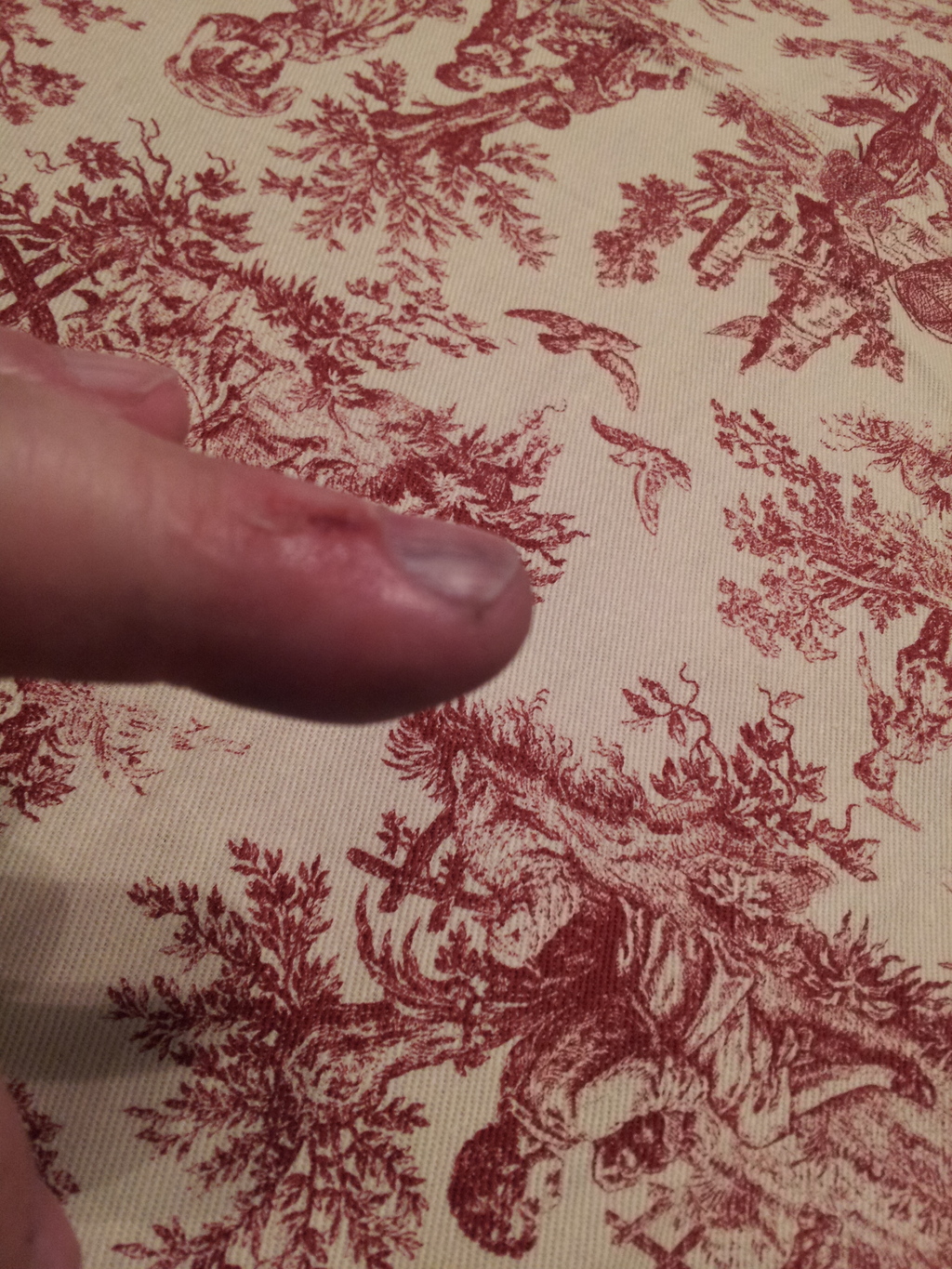
What not to do when rebuilding calipers, have your finger in the wrong place when using compressed air to blow the piston out of the housing… The correct technique is to stick a block of wood in the caliper to give the piston something to hit that won’t damage it when it comes out, in my case I guess my finger providing the cushioning.

Okay, got most of this done yesterday, few more things to do though. Few things I noticed. In order to get the rotor off you need to remove the brake caliper bracket bolts to the back of the hub. I couldn't figure out a way to get a wrench under there, so I disconnected the strut from the steering knuckle. This worked fine, but it's not mentioned in the FSM. Installing the races into the rotor would have been very difficult if I had not had a bearing race driver/press. Very glad I spent the money to buy one. I also purchased a bearing packer which also was worth the money for the ease with which it packed the bearings.
Few questions:
1) I could not find torque specs for caliper bracket to the hub, so I used the misc. specs in the back of the FSM. As an 8T 14mm bolt this called for something like 75-101 ft-lb of torque. This seemed excessive to me. Driver side went on fine, but the passenger side I could not get them above 60~ lb-ft of torque. I'm hoping I didn't strip them.
2) I was shocked with how loose the adjusting nut needs to be on the bearings. Seems like there is basically nothing holding the wheel on. My father who was helping me yesterday said this is normal. The procedure I followed was torquing the adjusting bolt to the value specified in the FSM. Spinning the hub a few times. Loosinging the bolt until it could be turned by hand. Taking the preload value with a spring scale (I got around ~1 ft-lb), then I tightened it until I got the "plus" value specified in the FSM (ended being about ~2.5 ft-lb). Does that sound correct?
Thanks!
Few questions:
1) I could not find torque specs for caliper bracket to the hub, so I used the misc. specs in the back of the FSM. As an 8T 14mm bolt this called for something like 75-101 ft-lb of torque. This seemed excessive to me. Driver side went on fine, but the passenger side I could not get them above 60~ lb-ft of torque. I'm hoping I didn't strip them.
2) I was shocked with how loose the adjusting nut needs to be on the bearings. Seems like there is basically nothing holding the wheel on. My father who was helping me yesterday said this is normal. The procedure I followed was torquing the adjusting bolt to the value specified in the FSM. Spinning the hub a few times. Loosinging the bolt until it could be turned by hand. Taking the preload value with a spring scale (I got around ~1 ft-lb), then I tightened it until I got the "plus" value specified in the FSM (ended being about ~2.5 ft-lb). Does that sound correct?
Thanks!

I just did mine a couple of weeks ago. I figured out a couple things as I am doing another set of brakes and bearings right now.
To get to the caliper bracket bolt on the bottom use a 17mm wrench. You don't think it'll work until it actually does. I did it the way you did it with removing the strut housing nuts the first time.
As far as mounting the rotor/hub I tightened the nut. Spun it to make sure everything was smooth. Checked for movement up/down front/back (which there shouldn't). After a couple hundred miles everything is still good. I'll check it again after a couple hundred more.
To get to the caliper bracket bolt on the bottom use a 17mm wrench. You don't think it'll work until it actually does. I did it the way you did it with removing the strut housing nuts the first time.
As far as mounting the rotor/hub I tightened the nut. Spun it to make sure everything was smooth. Checked for movement up/down front/back (which there shouldn't). After a couple hundred miles everything is still good. I'll check it again after a couple hundred more.
I just did mine a couple of weeks ago. I figured out a couple things as I am doing another set of brakes and bearings right now.
To get to the caliper bracket bolt on the bottom use a 17mm wrench. You don't think it'll work until it actually does. I did it the way you did it with removing the strut housing nuts the first time.
As far as mounting the rotor/hub I tightened the nut. Spun it to make sure everything was smooth. Checked for movement up/down front/back (which there shouldn't). After a couple hundred miles everything is still good. I'll check it again after a couple hundred more.
To get to the caliper bracket bolt on the bottom use a 17mm wrench. You don't think it'll work until it actually does. I did it the way you did it with removing the strut housing nuts the first time.
As far as mounting the rotor/hub I tightened the nut. Spun it to make sure everything was smooth. Checked for movement up/down front/back (which there shouldn't). After a couple hundred miles everything is still good. I'll check it again after a couple hundred more.
Old school cars like ours with non sealed removable bearings need a certain amount of preload
on them to function correctly. Up unto the late 80s, all bearings were like this on cars. You just
tighten lightly until it just drags a bit (you can measure but I just feel it) and then put the tin
cap on and the cotter pin thru the closes slot and the hole on the spindle. If you make em too
tight you risk burning them up, too loose and they may be jiggly. After you do it a few times
you will get the feel of it.
As far as the caliper bracket bolts, just crank them with a wrench until you cant. A 100lbs of force
is actually quite a lot on a wrench less than one foot in length. I don't think you will risk
over tightening it by hand with a wrench unless your godzilla or put a pipe on it.
on them to function correctly. Up unto the late 80s, all bearings were like this on cars. You just
tighten lightly until it just drags a bit (you can measure but I just feel it) and then put the tin
cap on and the cotter pin thru the closes slot and the hole on the spindle. If you make em too
tight you risk burning them up, too loose and they may be jiggly. After you do it a few times
you will get the feel of it.
As far as the caliper bracket bolts, just crank them with a wrench until you cant. A 100lbs of force
is actually quite a lot on a wrench less than one foot in length. I don't think you will risk
over tightening it by hand with a wrench unless your godzilla or put a pipe on it.
Old school cars like ours with non sealed removable bearings need a certain amount of preload
on them to function correctly. Up unto the late 80s, all bearings were like this on cars. You just
tighten lightly until it just drags a bit (you can measure but I just feel it) and then put the tin
cap on and the cotter pin thru the closes slot and the hole on the spindle. If you make em too
tight you risk burning them up, too loose and they may be jiggly. After you do it a few times
you will get the feel of it.
As far as the caliper bracket bolts, just crank them with a wrench until you cant. A 100lbs of force
is actually quite a lot on a wrench less than one foot in length. I don't think you will risk
over tightening it by hand with a wrench unless your godzilla or put a pipe on it.
on them to function correctly. Up unto the late 80s, all bearings were like this on cars. You just
tighten lightly until it just drags a bit (you can measure but I just feel it) and then put the tin
cap on and the cotter pin thru the closes slot and the hole on the spindle. If you make em too
tight you risk burning them up, too loose and they may be jiggly. After you do it a few times
you will get the feel of it.
As far as the caliper bracket bolts, just crank them with a wrench until you cant. A 100lbs of force
is actually quite a lot on a wrench less than one foot in length. I don't think you will risk
over tightening it by hand with a wrench unless your godzilla or put a pipe on it.

Did you end up torquing the brake caliper bracket? I would assume you couldn't using that method... Maybe it doesn't matter though. How tight would you say the adjusting nut was? Mine was only a little more than hand tight. Steering feels pretty tight when driving, I'm just nervous my wheel is going to fly off in a corner, never done this before.
The adjusting nut was about hand tight depending on the strength of your hands of course.
Another way to check your bearings is to run the car around for a bit and not use the brakes or
just use the emergency brake to stop and then touch the center of the wheels and see if they
are hot or if one is hotter than the other. That can tell you the bearings are too tight.
just use the emergency brake to stop and then touch the center of the wheels and see if they
are hot or if one is hotter than the other. That can tell you the bearings are too tight.

Thread
Thread Starter
Forum
Replies
Last Post