When you click on links to various merchants on this site and make a purchase, this can result in this site earning a commission. Affiliate programs and affiliations include, but are not limited to, the eBay Partner Network.
Thats a EFI pump and your dropping down to 2.5 psi !?!??! Even with a return line (which you better have) its being over worked. You are burning them out!
Thats a EFI pump and your dropping down to 2.5 psi !?!??! Even with a return line (which you better have) its being over worked. You are burning them out!
Originally Posted by Qingdao
I have a 3/8" return line welded into the top (no blockage)
Shoulda mentioned "welded into the top of the [tank]" The stock return line is 5/16" IIRC.
How would running the pump 100% of the time burn it out? isn't that normal operation for an electric pump that isn't computer controlled?
I should also mention that my original setup used a COMP 140 pump (which is a carburetor specific pump). The brushes burned out on it (a few times); I believe that is what is happening to the MSD pumps.
I really think its a poor electric issue. I mean the wiring is made for a smaller less capable pump, and is probably fatigued after 30+ years of operation.
Clean filter in the stock position and the standard pump, all tested according to the FSM.
And ABSOLUTELY NO CONTRAPTIONS plumbed in under the hood!
Cut hoses and clamps under the hood are an invitation for a serious engine fire.
In twenty years and a million miles driving FB's I've never had a fuel pump die on me.
Or a fire under the hood.
Unfortunately my Nikki can't be supported by the stock fuel supply. The in tank pickup lines had to be enlarged as did the return system.
If it makes any sense it is an identical system to the stock setup except larger. The 4309 regulator (like the stock one) is located in between the two fill lines on each individual bowel. The pump (identical in shape and size as OEM) sits in the same spot; however its just able to deliver higher pressures and volumes than the OEM one. I do use a different pre-pump filter; I'm partial to inline as apposed to the "swirl pot" style... but I think that's just a preference thing, never had it cause issues on any other vehicle of mine.
I do have strange contraptions plumbed under my hood... a series 4 turbo
EDIT: as I re-read what I typed I'm thinking "I enlarged everything, but left the electricity portion stock" That has to be the issue. I remember there was some kind of S3 fuel cut off thingy under the steering wheel that I had to bypass long ago, but I think that's just part of the not good enough electronics going on.
Wanna tack a crack at why I go through so many fuel pumps???
Been through maybe 5 in 5 years. Its so easy to change them and they are so cheap that I just end up tossing another one in and never address the problem.
I have a POR15'd tank (its VERY clean.
I have a 3/8" return line welded into the top (no blockage)
I have a standard fuel filter (little plastic guy) I change it every time I toss in a new pump, but the fuel filter is always clean as a whistle.
I run an MSD 2225 pump in the stock location.
I run a Mallory 4309 regulator set at a Nikki approved 2.5 PSI.
I do plan on giving this little fuel pump a bit extra amperage. I'm actually going to address the issue this time and run a dedicated power wire and a relay. BUt if anybody knows something I don't...….
Before you do anything,baseline the circuit. Test available voltage/amperage at pump(both power and ground side) with car running after test drive,idling with headlights on.What do you get?
What size alternator is on car,original stock size ok for stock equipment. Add ons,you need to address alternator output. Re: fuel pump circuit...recommend dedicated power/ground wires with relay originating at battery and run under car to pump.
Increasing available voltage/amperage to car will stabilize electrical system and a relayed/dedicated fuel pump harness will do same for fuel pump and likely increase baseline voltage results by 2-3 volts and drop amp reguirement for pump draw by at least 1 amp.
S4 alternator is plug and play and bumps output from 55 amp to 70 amp to give needed power increase and some reserve.
Before you do anything,baseline the circuit. Test available voltage/amperage at pump(both power and ground side) with car running after test drive,idling with headlights on.What do you get?
What size alternator is on car,original stock size ok for stock equipment. Add ons,you need to address alternator output. Re: fuel pump circuit...recommend dedicated power/ground wires with relay originating at battery and run under car to pump.
Increasing available voltage/amperage to car will stabilize electrical system and a relayed/dedicated fuel pump harness will do same for fuel pump and likely increase baseline voltage results by 2-3 volts and drop amp reguirement for pump draw by at least 1 amp.
S4 alternator is plug and play and bumps output from 55 amp to 70 amp to give needed power increase and some reserve.
Already running an S4 alternator. Voltage stays around 14 or something with the engine running (at least that's what the gauge on the dash reads)…. I don't think system voltage is the problem. I think it might have to do with that fuel cut off thingy under the steering wheel.
Regardless, the electrons are now running from a 30amp fuse off the battery down a 14ga wire directly to a relay that kicks on with the turn of a key and strait to both the ground next to the pump and the factory ground as well. Them there electoroons shouldn't have NOOOO problems finding their way back to the battery.
Ray, if only I could get a mechanical pump to work....
Well my fb decided to eat an Apex Seal. I noticed the power started to dwindle down and she started backfiring in the low part of the power band. I'm thinking about getting the 12a rebuilt with a street port or should I just get a 13b?
Last edited by corolla13b; May 17, 2020 at 08:14 PM.
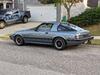
Since there was a request for rotary content, here are some pictures. The summary is as follows:
Did some partial rats nest delete and vacuum hose rework
The new electronic distributor (updated the spark plugs too, though I'm not sure that there was anything wrong with the BR7ETs that I had before from the points setup)
Found out my throttle sub-return was in the wrong place since I have had the car; that was a game-changer!
Totally bought into the conspiracy theory that drums are better.
Hydroxychloroquine fans, no doubt.
Then throw down... 60 to 0
Part of the reason for nothing using drums any more is my industries confederates... People in the auto repair industry for the most part.... are well.... dumb.
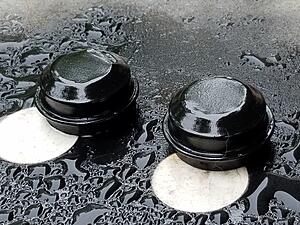
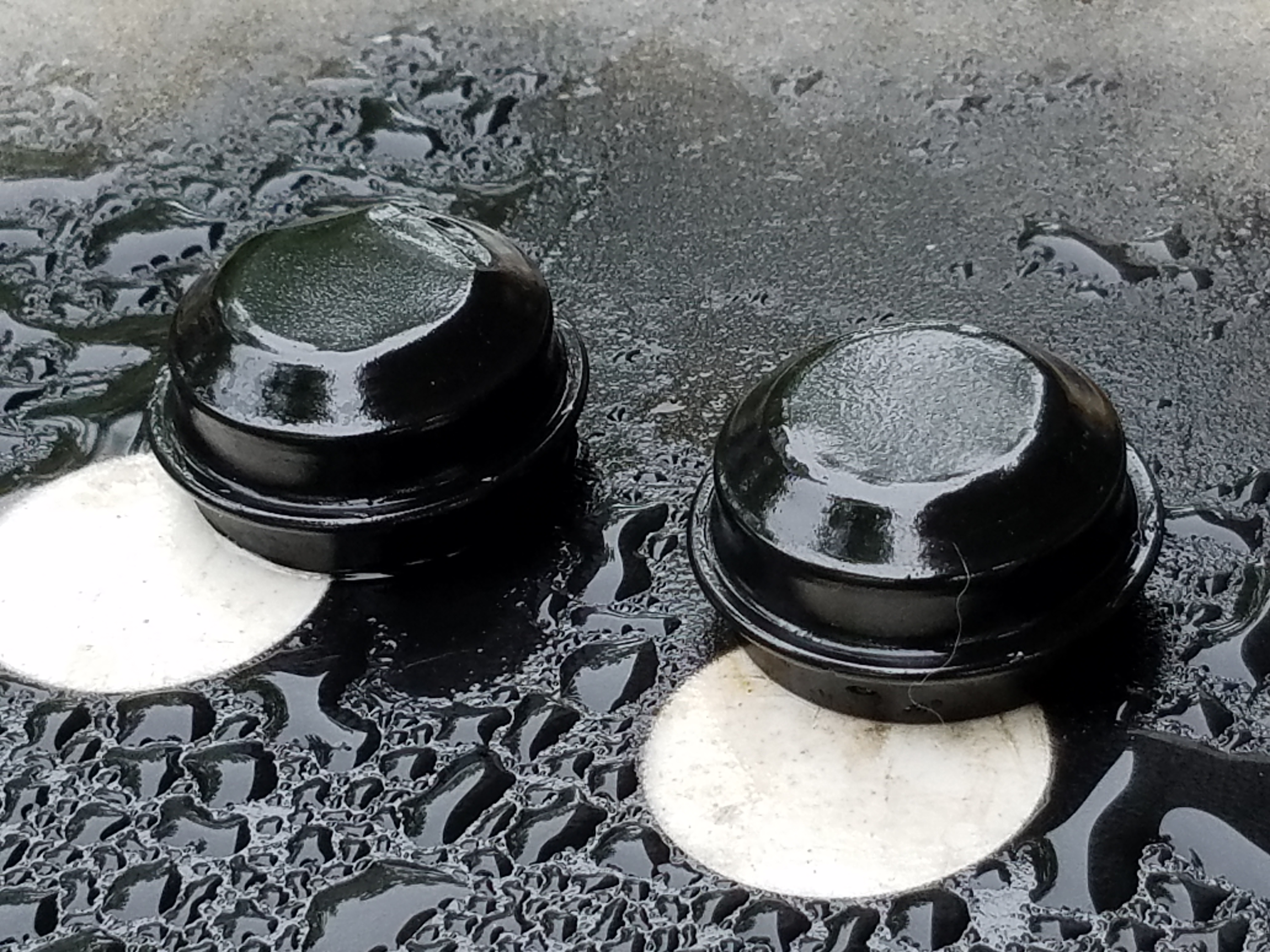
I will say that the non-self-adjusting rear drum brakes are a bit annoying, but they do work. That said, having to unbolt the bottom of the strut in order to change a disc in the front is also not ideal. On that topic, does anyone know of a suitable replacement part for the front hub dust caps on a first gen (SA)?
Rattle can actually, Rustoleum Engine Enamel, gloss black.
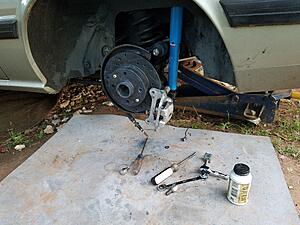
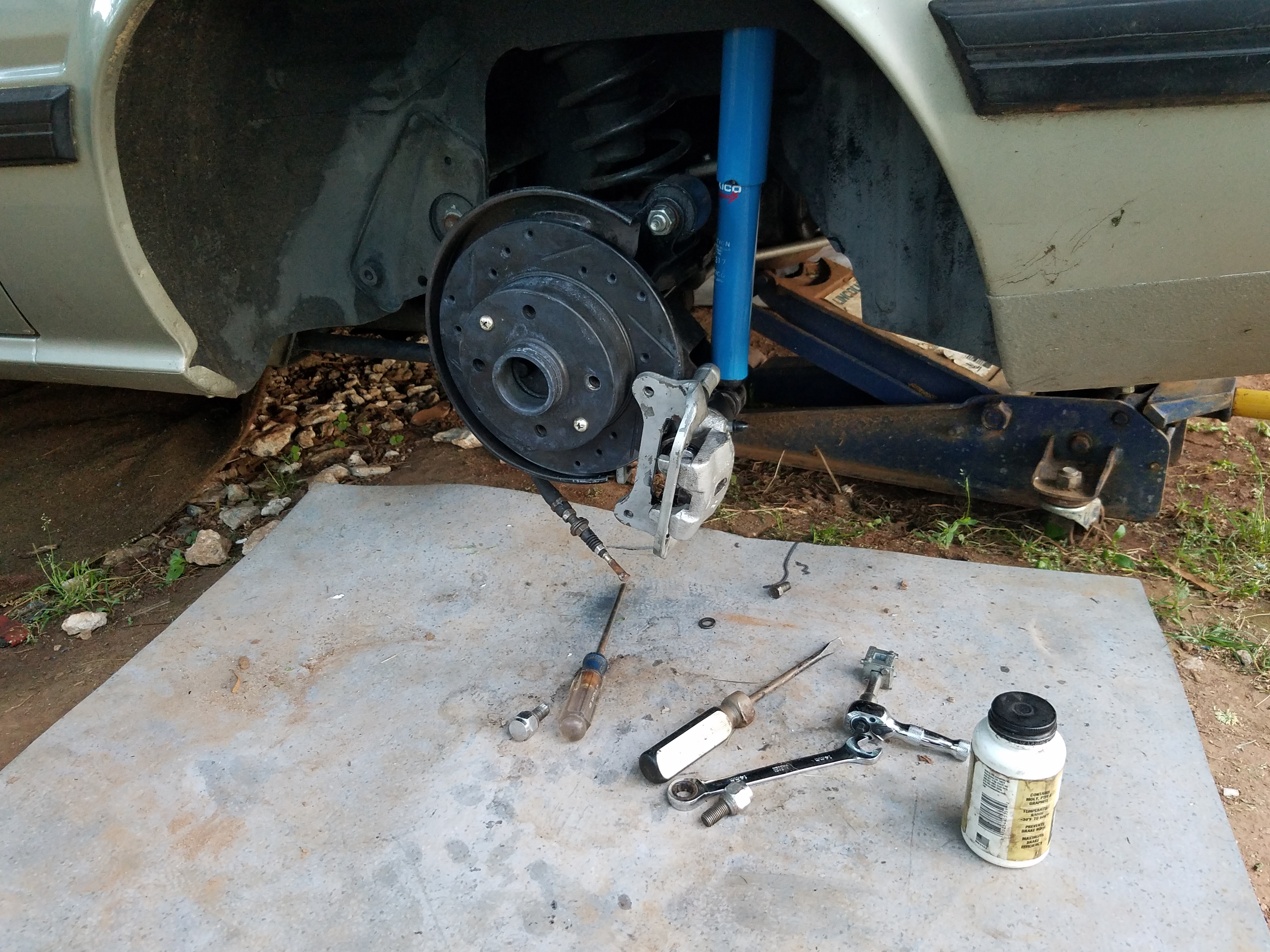
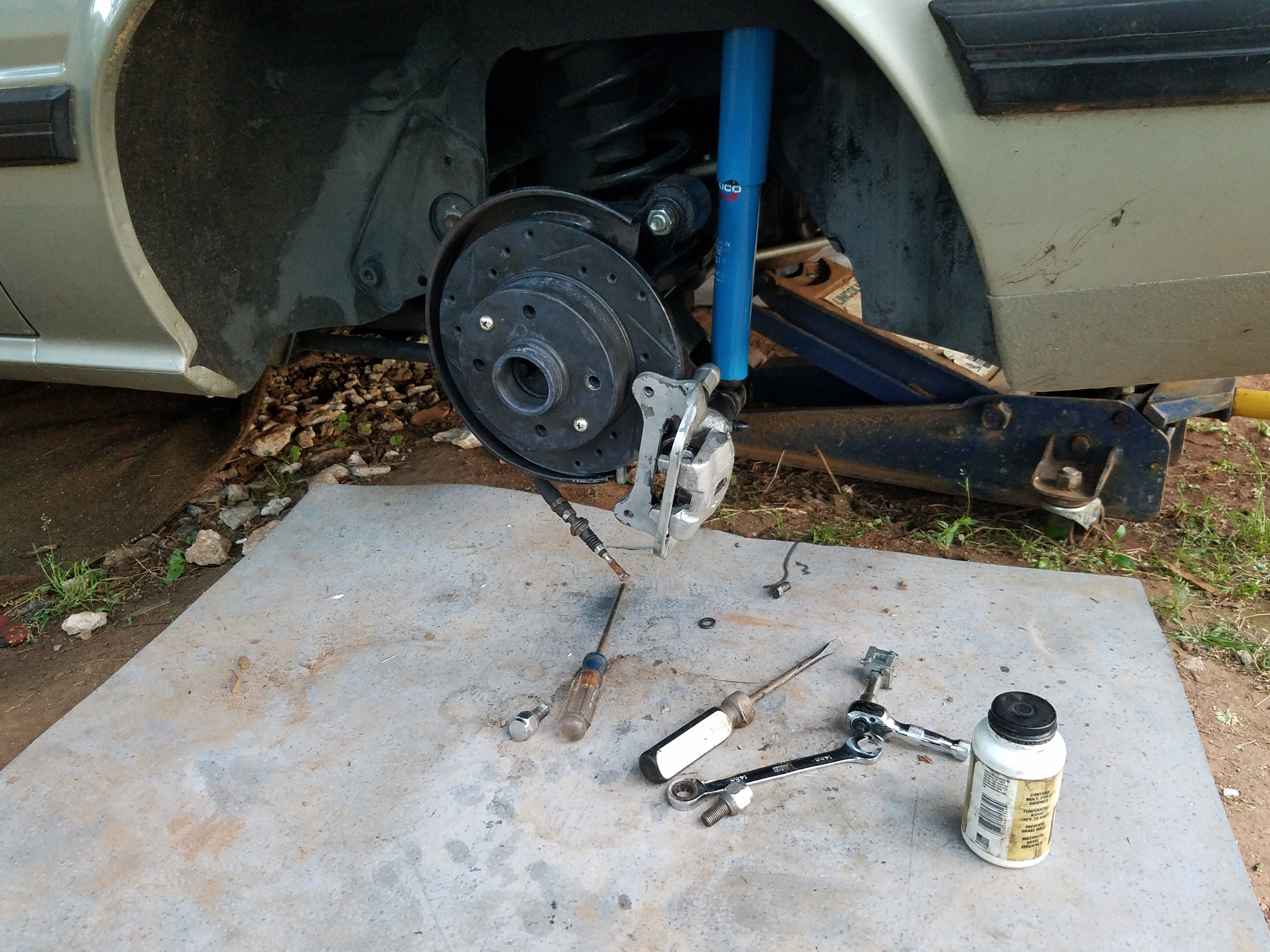
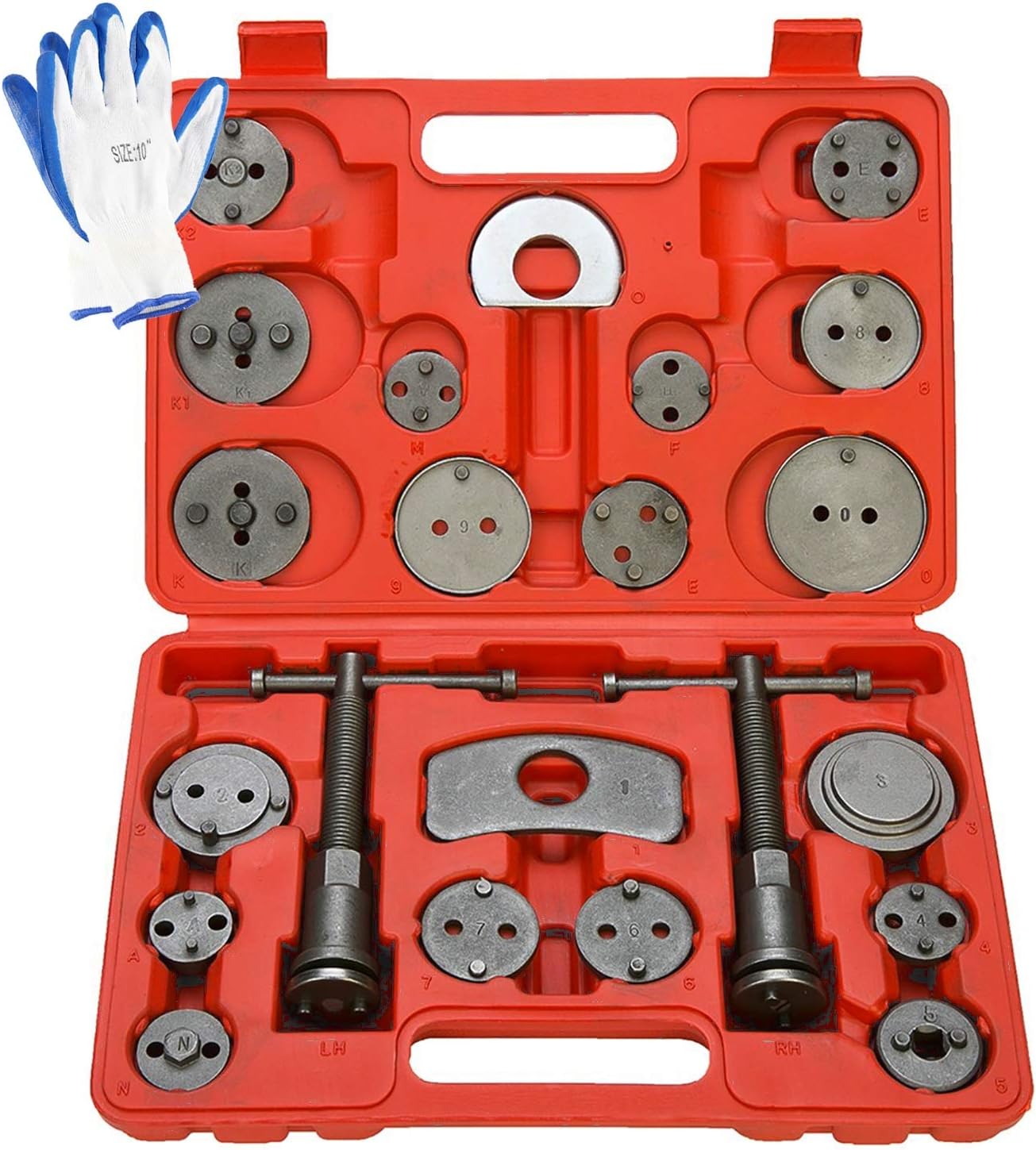
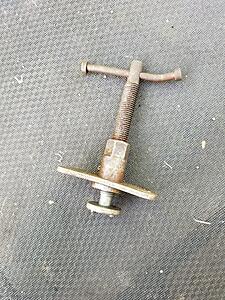
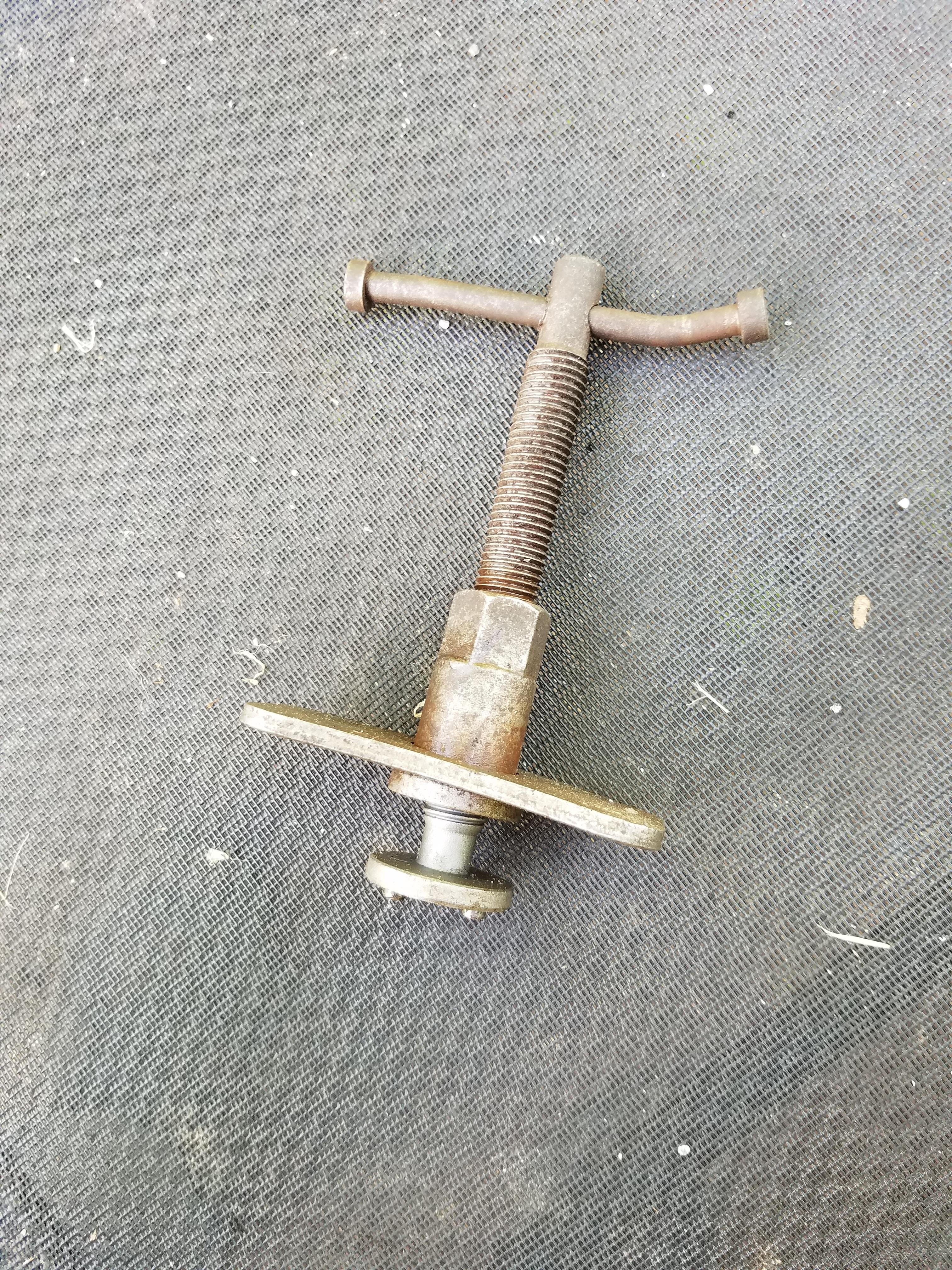
So I got out the heavy artillery to get that rear caliper piston to retreat.
And that caliper piston was so stuck it bent the heavy artillery.
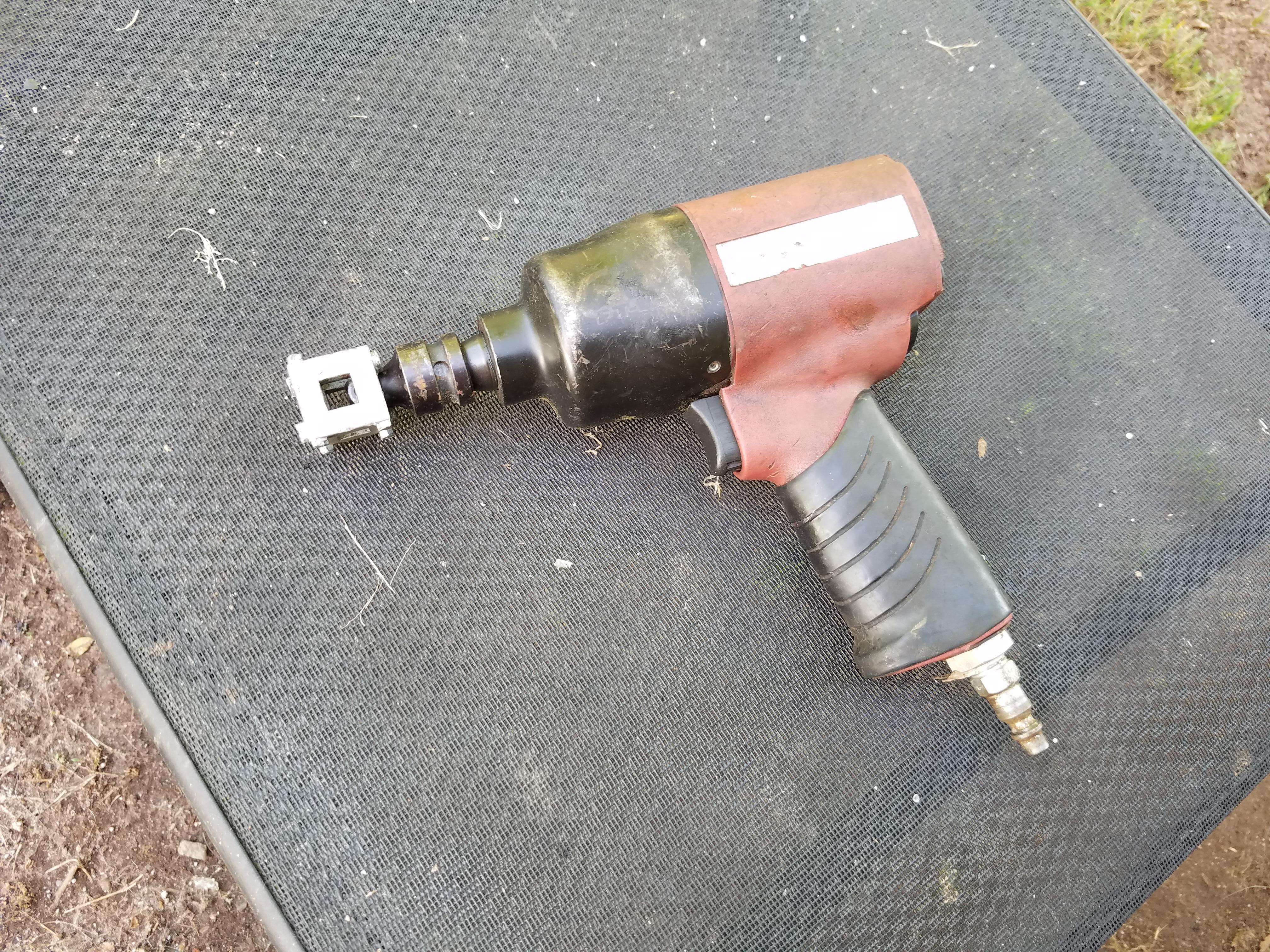
So then I remembered what James said about using the brake cube on an impact gun.
Worked like a charm.
Thanks for the tip James!
Well the caps look great regardless.
Oh my... Air ratchet, not impact. Oh my, but man now that I'm thinking about it I might use an impact next time too.
Just make sure you spray WD 40 or penetrating oil on the rubber boot around the piston. Sometimes those pistons snag the rubber boot.
Another way to get those integrated pistons to work is to give them a clamping with a c clamp and then twist them with a set of channel locking plyers.