


pinning dowlling or studs




yes..Attachment 431914
I plan on using some studs like the turblown kit with nuts on the end, but just for more accurate torqing of the plates, not for reducing expanding forces. Extra dowels will be used for that. Also a simple four extra dowels, like 13B-RX-3 says.
Like this one we did, but plus studs.

IRS Champion

Joined: Aug 2001
Posts: 2,038
Likes: 1
From: NY

So what's the verdict, studs, larger bolts or the pins? It's a hard call as everyone favors what's has worked for them. I kinda like the studs as it helps torque the engine down better but in the other hand it look like assembly is going to be a bit difficult. The pins will alleviate on the flexing and seems to be what most people like, but in the other hand like Enzo says it takes material away from the plates. And those larger goopy bolts also seem to be doing the work, plus I might could do it my self.

i was being faceatious referring to the steel pan braces they offer, which does basically nothing for torsional rigidity. even the aluminum pans with bracing built in, i would like to see some definitive testing to prove any claims of significant rigidity increases before the tiny bolts shear and aluminum cracks.
Last edited by RotaryEvolution; Jun 5, 2011 at 11:42 PM.


studs forsure!
Studding will be the most effective way to stop motor twist, when using over sized studs titanium would be the best matrial. The only real reason to stud a motor in the first place would be methonal and extremely high boost or rpm. I've see many motors well over 600+ with no stud or pinning mods. As for the oil pan yes not a myth. This works well when using 1/2 thick aluminum as your baffle and stud that to the motor as well. Building your oil pan off that. Only running the oil pan and nothing else will not do much. The most success I've see and used is oversize titanium studs, two piece keyed e-shaft, and studded 1/2 inch aluminum baffle on oil pan. Solid as Sears no flex twist, and the most consistent. You have to think if your making that much power it's a domino effect of everything else that will need attention. Expantion, twist, rotors touching the irons from e-shaft flex, bearing fatigue ......... lots, little off subject anyways studs get my vote.



Stock studs and dowels, just clearanced rotors
6 dyno pulls and 57 passes this season and counting
the right tune is whats its all about
however this is on a FD motor, 2nd gen dosent have the doweling that the fd has IIRC
but in my circle, doweling is the choice if your gonna do anything
Right there with you bro, 733@ 32 psi, have seen 35 for over a second on my data logger, shift light @ 9400 rpm, with plenty of time on a 9900 rpm ignition limit... Methanol powered.....
Stock studs and dowels, just clearanced rotors
6 dyno pulls and 57 passes this season and counting
the right tune is whats its all about
however this is on a FD motor, 2nd gen dosent have the doweling that the fd has IIRC
but in my circle, doweling is the choice if your gonna do anything
Stock studs and dowels, just clearanced rotors
6 dyno pulls and 57 passes this season and counting
the right tune is whats its all about
however this is on a FD motor, 2nd gen dosent have the doweling that the fd has IIRC
but in my circle, doweling is the choice if your gonna do anything
it depends on the studs used.
i would recommend studs over dowelling but i have plenty of dowels lying around, it pays me labor $ to dowel and i often do not build engines that produce enough HP to break into the territory where additional dowels begin to flex.
if a manufacturer can't give you tensile strength specs then i would move on to those who can.
dowels work fine for the 400-800WHP range, beyond that i would get a high tensile large diameter stud kit. if the studs aren't much thicker than the stock tension bolts, ignore them.
neither is really necessary for these engines pushing these levels:
up to '87- under 400WHP
88-91 - under 450WHP
93-95 - under 550WHP
if you break an iron then something else was bound to break if under those HP levels and the result was a failed iron. plenty of people have pushed well beyond those rules of thumb without any issue.
i would recommend studs over dowelling but i have plenty of dowels lying around, it pays me labor $ to dowel and i often do not build engines that produce enough HP to break into the territory where additional dowels begin to flex.
if a manufacturer can't give you tensile strength specs then i would move on to those who can.
dowels work fine for the 400-800WHP range, beyond that i would get a high tensile large diameter stud kit. if the studs aren't much thicker than the stock tension bolts, ignore them.
neither is really necessary for these engines pushing these levels:
up to '87- under 400WHP
88-91 - under 450WHP
93-95 - under 550WHP
if you break an iron then something else was bound to break if under those HP levels and the result was a failed iron. plenty of people have pushed well beyond those rules of thumb without any issue.
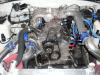
Just had mine done by Kilo, I've seen one of his engines go in the 7's, and it have the stock tension bolts. I am a believer in extra dowels, just because I seen it proven on the track. I'm aiming for close to 600hp, w/ a 13B-RE. And Kilo told me when I picked my engine up, that it was more than capable, with the stock bolts. Do some more research...

