


Acid cleaning Aluminum...


Thread Starter
three spinning triangles

Joined: Oct 2003
Posts: 1,441
Likes: 0
From: SE Wisconsin
Acid cleaning Aluminum...
since where a work we clean steel with sulfuric and hydrochloric acid, some of the guys mentioned that they bring in their rusty parts and use the acid to clean them... soo...
think giving them a dip would give my 4 piston calipers a new look?
heres what they look like:
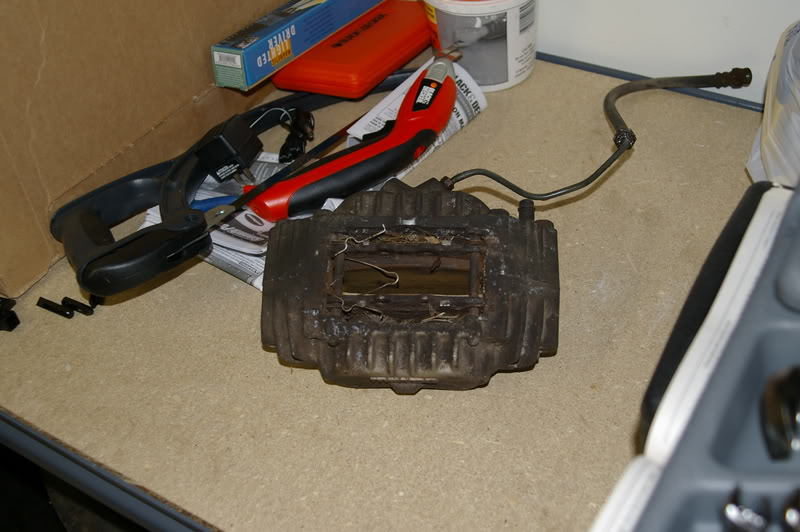
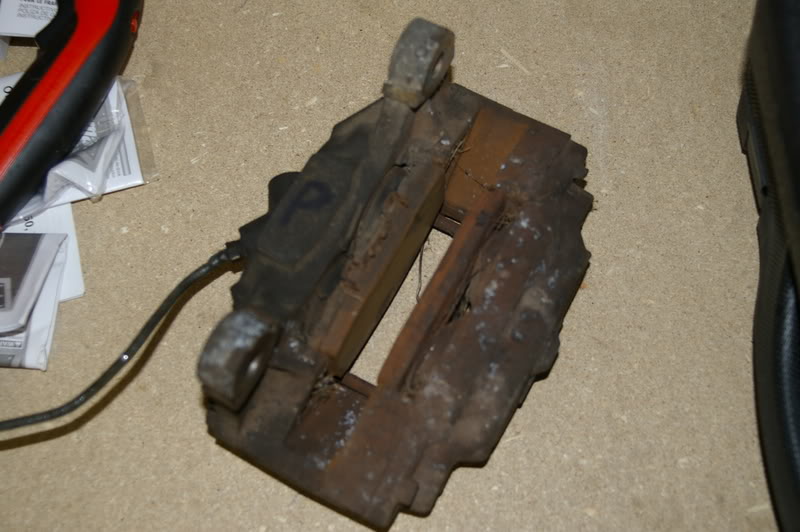
or would i have better luck using something store bought?
think giving them a dip would give my 4 piston calipers a new look?
heres what they look like:
or would i have better luck using something store bought?

Your calipers are made of aluminum alloy, not steel...I'm not sure that those acids are what you want to use.
I think that if the hydrochloric gets past the alloy's oxide layer one of the reactions byproducts is chlorine gas- NOT what you want to be breathing.
I think that if the hydrochloric gets past the alloy's oxide layer one of the reactions byproducts is chlorine gas- NOT what you want to be breathing.



Seduced by the DARK SIDE

Joined: Apr 2001
Posts: 7,323
Likes: 2
From: Orange Park FL (near Jax)
Aluminum is a very active metal. Acids & alkalis will attack it aggressively.
A good grease cutter like simple green or purple power and a scrub brush will get it ready for paint.
Even simple green & purple power will kill the shine on polished aluminum if left on very long.
A good grease cutter like simple green or purple power and a scrub brush will get it ready for paint.
Even simple green & purple power will kill the shine on polished aluminum if left on very long.



Trending Topics
Thread Starter
three spinning triangles
Joined: Oct 2003
Posts: 1,441
Likes: 0
From: SE Wisconsin

or if you have a tub of carb cleaner or chem dip it works as well, you can get them in 1 gallon and 5 gallon drums.
only use solvents on the brake caliper if you plan on rebuilding it though, most of the chemicals listed will not affect the aluminum but will affect the caliper seals. the only solvent you should be using if not rebuilding the caliper is Brake Cleaner.
only use solvents on the brake caliper if you plan on rebuilding it though, most of the chemicals listed will not affect the aluminum but will affect the caliper seals. the only solvent you should be using if not rebuilding the caliper is Brake Cleaner.
Thread Starter
three spinning triangles
Joined: Oct 2003
Posts: 1,441
Likes: 0
From: SE Wisconsin
or if you have a tub of carb cleaner or chem dip it works as well, you can get them in 1 gallon and 5 gallon drums.
only use solvents on the brake caliper if you plan on rebuilding it though, most of the chemicals listed will not affect the aluminum but will affect the caliper seals. the only solvent you should be using if not rebuilding the caliper is Brake Cleaner.
only use solvents on the brake caliper if you plan on rebuilding it though, most of the chemicals listed will not affect the aluminum but will affect the caliper seals. the only solvent you should be using if not rebuilding the caliper is Brake Cleaner.
yea.. im planning on rebuilding them, as long as i can get the pins that hold the pads out...


Junior Member
Joined: Aug 2004
Posts: 49
Likes: 0
From: Chardon, Ohio, USA
+1 to cleaning alloy wheels with acid. It works wonders, better than blasting them with media.
I'd try the calipers in a spot and a toothbrush. I wouldn't dip them because of rubber piston seals.
I'd try the calipers in a spot and a toothbrush. I wouldn't dip them because of rubber piston seals.



IIRC sulphuric acid is what they use to anodize aluminum. That hard coating you see is oxidized aluminum. Next they dye the hardcoat whatever color they want.
oxidation = corossion = rust = tarnish = etc. Unlike most other metals, aluminum rapidly forms a thin, uniform layer of corossion that doesn't flake off. In fact, all aluminum gets a little bit within a few seconds of being exposed to air. It's just so thin you don't notice it. That layer protects the aluminum from further corossion. Otherwise aluminum would be one of the most corossion-prone metals in existance. That's also why you gotta sand immediately before welding aluminum, IIRC.
Fun fact #2, the Washington Monument's aluminum capstone: http://www.main.nc.us/sams/monument.html.
oxidation = corossion = rust = tarnish = etc. Unlike most other metals, aluminum rapidly forms a thin, uniform layer of corossion that doesn't flake off. In fact, all aluminum gets a little bit within a few seconds of being exposed to air. It's just so thin you don't notice it. That layer protects the aluminum from further corossion. Otherwise aluminum would be one of the most corossion-prone metals in existance. That's also why you gotta sand immediately before welding aluminum, IIRC.
Fun fact #2, the Washington Monument's aluminum capstone: http://www.main.nc.us/sams/monument.html.
Last edited by ericgrau; Jun 11, 2007 at 07:32 PM.
Rotary Enthusiast
Joined: Oct 2006
Posts: 1,319
Likes: 1
From: BC, Canada
If you dilute the HCL to .5-1.0M you should be fine. Just dont leave the parts in there for a long time. This will also produce H2 gas and possily a little CL gas as well, depending on what other metals there are in the alloy.
That is doing it the lazy way though, it will not yeild the best results. The surface will be uneven because of differant reaction rates along the surface (probably too small to nodice).
A lot of elbow grease will be the best... along with some brake clean.
-Ben
That is doing it the lazy way though, it will not yeild the best results. The surface will be uneven because of differant reaction rates along the surface (probably too small to nodice).
A lot of elbow grease will be the best... along with some brake clean.
-Ben


i use a agitation heated mix of 2-1 purple power at 105 deg. bath for 8-16hrs. then brush whats left behind off. rinch off with power washer then sand blast and hit them with acitone. then coat or paint or leave clean..

