


Need info on 1980 Rx7 Wide Body


Thread Starter
Newbie
Joined: Jan 2006
Posts: 1
Likes: 0
From: Palm City, FL
Need info on 1980 Rx7 Wide Body
I have a 1980 Rx-7 with a wide body kit. I was told that it's 1 of 10 ever built by mazda in 1979. To duplicate IMSA race class Mazda's. Does anyone know the correct information about this situtation? Were there actually only 10 of these cars made? Original interior/exterior color was red if that helps at all. SA22C571304 is the VIN number. If anyone at all can answer this information precisely you would be helping me out a great deal. Even if you have information on this car not regarding to my questions it will most likely be helpful aswell.
Thank you.
-Jeff
Thank you.
-Jeff


84SE-EGI helpy-helperton


Joined: Oct 2002
Posts: 3,589
Likes: 545
From: Phoenix, AZ
Mazda never built any 'factory' widebody cars - these were all aftermarket 'conversions' done by specialty shops. The part about the '10-ever' is incorrect as well, given this information, since the # of widebody RX7's on these boards is well above that, and that's only users who are active here.
You have a unique car, nonetheless. The 80's were the first RX7's to feature electronic ignition - a huge improvement over the points and condensors used in the 1979 and earlier cars. The 80's also featured an upgraded stereo system (Clarion) from the factory, and was offered in 2 trim levels; Base and Leather Sport (LS). There were only 2500 LS cars imported in 1979/80, and these had leather seats, custom wheels with the 'waffle-pattern' design and either gold centers or silver centers dependant on exterior color. This is also the last year that Mazda included a 'thermal reactor' to control emissions output, as later 1981 cars and beyond moved to catalytic converters to perform this function.
The 1979 model year and 1980 model year cars are referred to (at least here) as "SA22's" or "SA's" since the 1981-1985 cars have VIN's starting with FB. The front and rear bumper design, as well as the rear license plate arrangement and taillighting are significant features to identify an SA22. Also, the 1980's featured a sunroof design which was carried over into the later series car, albeit different than the smaller, pop-up roof of the 1979 model year cars.
SA22's from 1980 also have a unique ignition system whereby the ignitors are located away from the distributor cap on the driver's fender well, which were later incorporated into the design of the distributor on 1981+ cars. The SA22's do not have rear storage bins, instead having plate steel secured over where the bins would be without any storage area here. All SA22's came with the 12a engine, carbuerated, and with a front-mounted oil cooler which was scrapped (unfortunately) in FB cars for the 'beehive' oil cooler which is less efficient and more problematic. The oil cooler mounts below the radiator, making for compact design with plenty of cooling air through the front valance.
Mechanically, the underbody and suspension of the SA22 cars is similar to later vehicles, but notable differences include a non-rotating front strut assembly which requires different top mounts, along with wheel bolts that are longer than later cars. These wheel bolts can be swapped out for lug nuts and studs with Metric thread M12x1.50 with acorn nuts instead of the tapered lug bolts of the factory design. Brake system thread pattern is also different from later FB cars, requiring rethreading of the parts if you want to interchange with later model brake calipers and lines. The rear drum brakes, while difficult to manually adjust, work well due to the cars light curb weight of 2250 lbs (without driver). Fuel tank capacity of 12 US gallons was later increased to 13.5 gallons in the FB cars, but required the installation of a smaller 'emergency spare' instead of the full-size spare on a custom wheel which came with the SA22's.
The SA22's were built by Mazda to compete with Porsche 924, Toyota's Celica-Supra, and other smaller, sporty cars being imported at the time. In most car magazines of the age, the 1st generation RX7's compared favorably to current offerings.
Base horsepower numbers for the stock engine are 105HP and 100 Ft/Lbs of torque, though these numbers could be increased quickly through installation of a quality header and freer flowing exhaust. The stock 1980 muffler is slightly less restrictive than later FB cars due to the thermal reactor design allowing for some muffling effect. Along that line, the exhaust system bolt-up points are different in the SA22's for where connector pipes and rear mufflers attach together, so mixing and matching parts from later years may require custom welding.
How do I know so much about the SA22's you might ask? I used to own a 1980LS which was recently sold to another club member. HTH,
You have a unique car, nonetheless. The 80's were the first RX7's to feature electronic ignition - a huge improvement over the points and condensors used in the 1979 and earlier cars. The 80's also featured an upgraded stereo system (Clarion) from the factory, and was offered in 2 trim levels; Base and Leather Sport (LS). There were only 2500 LS cars imported in 1979/80, and these had leather seats, custom wheels with the 'waffle-pattern' design and either gold centers or silver centers dependant on exterior color. This is also the last year that Mazda included a 'thermal reactor' to control emissions output, as later 1981 cars and beyond moved to catalytic converters to perform this function.
The 1979 model year and 1980 model year cars are referred to (at least here) as "SA22's" or "SA's" since the 1981-1985 cars have VIN's starting with FB. The front and rear bumper design, as well as the rear license plate arrangement and taillighting are significant features to identify an SA22. Also, the 1980's featured a sunroof design which was carried over into the later series car, albeit different than the smaller, pop-up roof of the 1979 model year cars.
SA22's from 1980 also have a unique ignition system whereby the ignitors are located away from the distributor cap on the driver's fender well, which were later incorporated into the design of the distributor on 1981+ cars. The SA22's do not have rear storage bins, instead having plate steel secured over where the bins would be without any storage area here. All SA22's came with the 12a engine, carbuerated, and with a front-mounted oil cooler which was scrapped (unfortunately) in FB cars for the 'beehive' oil cooler which is less efficient and more problematic. The oil cooler mounts below the radiator, making for compact design with plenty of cooling air through the front valance.
Mechanically, the underbody and suspension of the SA22 cars is similar to later vehicles, but notable differences include a non-rotating front strut assembly which requires different top mounts, along with wheel bolts that are longer than later cars. These wheel bolts can be swapped out for lug nuts and studs with Metric thread M12x1.50 with acorn nuts instead of the tapered lug bolts of the factory design. Brake system thread pattern is also different from later FB cars, requiring rethreading of the parts if you want to interchange with later model brake calipers and lines. The rear drum brakes, while difficult to manually adjust, work well due to the cars light curb weight of 2250 lbs (without driver). Fuel tank capacity of 12 US gallons was later increased to 13.5 gallons in the FB cars, but required the installation of a smaller 'emergency spare' instead of the full-size spare on a custom wheel which came with the SA22's.
The SA22's were built by Mazda to compete with Porsche 924, Toyota's Celica-Supra, and other smaller, sporty cars being imported at the time. In most car magazines of the age, the 1st generation RX7's compared favorably to current offerings.
Base horsepower numbers for the stock engine are 105HP and 100 Ft/Lbs of torque, though these numbers could be increased quickly through installation of a quality header and freer flowing exhaust. The stock 1980 muffler is slightly less restrictive than later FB cars due to the thermal reactor design allowing for some muffling effect. Along that line, the exhaust system bolt-up points are different in the SA22's for where connector pipes and rear mufflers attach together, so mixing and matching parts from later years may require custom welding.
How do I know so much about the SA22's you might ask? I used to own a 1980LS which was recently sold to another club member. HTH,

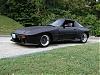
Same widebody kit as what me and Trochoid have, Old CPracing kit but it is now offered through VB. Your car looks awesome, I am just in the process of putting mine together and swapping all the electrical and stuff...
I know my car is a 1985 widebody and the kit allows for you to put on the SA front bumper. A few people have this kit, but finished cars with this kit are few and far between. (as far as I know of)
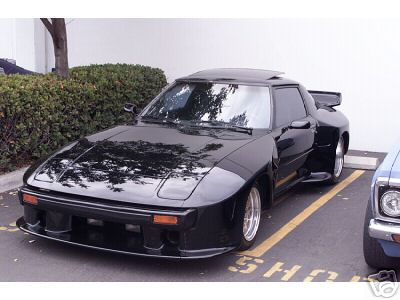

I know my car is a 1985 widebody and the kit allows for you to put on the SA front bumper. A few people have this kit, but finished cars with this kit are few and far between. (as far as I know of)
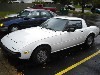
Originally Posted by LongDuck
Mazda never built any 'factory' widebody cars - these were all aftermarket 'conversions' done by specialty shops. The part about the '10-ever' is incorrect as well, given this information, since the # of widebody RX7's on these boards is well above that, and that's only users who are active here.
You have a unique car, nonetheless. The 80's were the first RX7's to feature electronic ignition - a huge improvement over the points and condensors used in the 1979 and earlier cars. The 80's also featured an upgraded stereo system (Clarion) from the factory, and was offered in 2 trim levels; Base and Leather Sport (LS). There were only 2500 LS cars imported in 1979/80, and these had leather seats, custom wheels with the 'waffle-pattern' design and either gold centers or silver centers dependant on exterior color. This is also the last year that Mazda included a 'thermal reactor' to control emissions output, as later 1981 cars and beyond moved to catalytic converters to perform this function.
The 1979 model year and 1980 model year cars are referred to (at least here) as "SA22's" or "SA's" since the 1981-1985 cars have VIN's starting with FB. The front and rear bumper design, as well as the rear license plate arrangement and taillighting are significant features to identify an SA22. Also, the 1980's featured a sunroof design which was carried over into the later series car, albeit different than the smaller, pop-up roof of the 1979 model year cars.
SA22's from 1980 also have a unique ignition system whereby the ignitors are located away from the distributor cap on the driver's fender well, which were later incorporated into the design of the distributor on 1981+ cars. The SA22's do not have rear storage bins, instead having plate steel secured over where the bins would be without any storage area here. All SA22's came with the 12a engine, carbuerated, and with a front-mounted oil cooler which was scrapped (unfortunately) in FB cars for the 'beehive' oil cooler which is less efficient and more problematic. The oil cooler mounts below the radiator, making for compact design with plenty of cooling air through the front valance.
Mechanically, the underbody and suspension of the SA22 cars is similar to later vehicles, but notable differences include a non-rotating front strut assembly which requires different top mounts, along with wheel bolts that are longer than later cars. These wheel bolts can be swapped out for lug nuts and studs with Metric thread M12x1.50 with acorn nuts instead of the tapered lug bolts of the factory design. Brake system thread pattern is also different from later FB cars, requiring rethreading of the parts if you want to interchange with later model brake calipers and lines. The rear drum brakes, while difficult to manually adjust, work well due to the cars light curb weight of 2250 lbs (without driver). Fuel tank capacity of 12 US gallons was later increased to 13.5 gallons in the FB cars, but required the installation of a smaller 'emergency spare' instead of the full-size spare on a custom wheel which came with the SA22's.
The SA22's were built by Mazda to compete with Porsche 924, Toyota's Celica-Supra, and other smaller, sporty cars being imported at the time. In most car magazines of the age, the 1st generation RX7's compared favorably to current offerings.
Base horsepower numbers for the stock engine are 105HP and 100 Ft/Lbs of torque, though these numbers could be increased quickly through installation of a quality header and freer flowing exhaust. The stock 1980 muffler is slightly less restrictive than later FB cars due to the thermal reactor design allowing for some muffling effect. Along that line, the exhaust system bolt-up points are different in the SA22's for where connector pipes and rear mufflers attach together, so mixing and matching parts from later years may require custom welding.
How do I know so much about the SA22's you might ask? I used to own a 1980LS which was recently sold to another club member. HTH,
You have a unique car, nonetheless. The 80's were the first RX7's to feature electronic ignition - a huge improvement over the points and condensors used in the 1979 and earlier cars. The 80's also featured an upgraded stereo system (Clarion) from the factory, and was offered in 2 trim levels; Base and Leather Sport (LS). There were only 2500 LS cars imported in 1979/80, and these had leather seats, custom wheels with the 'waffle-pattern' design and either gold centers or silver centers dependant on exterior color. This is also the last year that Mazda included a 'thermal reactor' to control emissions output, as later 1981 cars and beyond moved to catalytic converters to perform this function.
The 1979 model year and 1980 model year cars are referred to (at least here) as "SA22's" or "SA's" since the 1981-1985 cars have VIN's starting with FB. The front and rear bumper design, as well as the rear license plate arrangement and taillighting are significant features to identify an SA22. Also, the 1980's featured a sunroof design which was carried over into the later series car, albeit different than the smaller, pop-up roof of the 1979 model year cars.
SA22's from 1980 also have a unique ignition system whereby the ignitors are located away from the distributor cap on the driver's fender well, which were later incorporated into the design of the distributor on 1981+ cars. The SA22's do not have rear storage bins, instead having plate steel secured over where the bins would be without any storage area here. All SA22's came with the 12a engine, carbuerated, and with a front-mounted oil cooler which was scrapped (unfortunately) in FB cars for the 'beehive' oil cooler which is less efficient and more problematic. The oil cooler mounts below the radiator, making for compact design with plenty of cooling air through the front valance.
Mechanically, the underbody and suspension of the SA22 cars is similar to later vehicles, but notable differences include a non-rotating front strut assembly which requires different top mounts, along with wheel bolts that are longer than later cars. These wheel bolts can be swapped out for lug nuts and studs with Metric thread M12x1.50 with acorn nuts instead of the tapered lug bolts of the factory design. Brake system thread pattern is also different from later FB cars, requiring rethreading of the parts if you want to interchange with later model brake calipers and lines. The rear drum brakes, while difficult to manually adjust, work well due to the cars light curb weight of 2250 lbs (without driver). Fuel tank capacity of 12 US gallons was later increased to 13.5 gallons in the FB cars, but required the installation of a smaller 'emergency spare' instead of the full-size spare on a custom wheel which came with the SA22's.
The SA22's were built by Mazda to compete with Porsche 924, Toyota's Celica-Supra, and other smaller, sporty cars being imported at the time. In most car magazines of the age, the 1st generation RX7's compared favorably to current offerings.
Base horsepower numbers for the stock engine are 105HP and 100 Ft/Lbs of torque, though these numbers could be increased quickly through installation of a quality header and freer flowing exhaust. The stock 1980 muffler is slightly less restrictive than later FB cars due to the thermal reactor design allowing for some muffling effect. Along that line, the exhaust system bolt-up points are different in the SA22's for where connector pipes and rear mufflers attach together, so mixing and matching parts from later years may require custom welding.
How do I know so much about the SA22's you might ask? I used to own a 1980LS which was recently sold to another club member. HTH,
Trending Topics

Full Member

Joined: Mar 2003
Posts: 63
Likes: 0
From: shreveport, LA
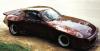
To Dan S Young:Now you make me want to paint mine black. So cool to see my kit in a different color. Your black kit looks SWEET!!
And to Jeffrey3333: The stripes look excellent!! Post more pics. I would like to see how the stripes look from different angles.
And to Jeffrey3333: The stripes look excellent!! Post more pics. I would like to see how the stripes look from different angles.
Last edited by nosferatu595; Jan 21, 2006 at 06:07 PM. Reason: spelling

Apprentice Guru

Joined: Oct 2001
Posts: 1,425
Likes: 0
From: Cloud Nine and Peak of God
[QUOTE=LongDuck]Mazda never built any 'factory' widebody cars - these were all aftermarket 'conversions' done by specialty shops.
Not correct. Mazda built several gen1s as widebody cars for publicity purposes. The earliest example being at the official Japanese launch in 1978.
In addition there were factory competition cars which had wide body panels.
The original IMSA competition cars were built in Japan and shipped to the USA. They were usually 12A engined, producing some 270-295hp. The first batch were efi but later Weber DCOE carbs were used after a rule change. A very limited number of factory wide body cars later came with four port 13B engines derived from the RX-4.
After the success of the 79 works cars, Mazda sold replica wide body panels. Most private enties used these on upgraded cars. The only info I have seen suggests aroung 70 sets were made. The panels were high quality and quite expensive, thus several firms made cheap copies particularly as 'Daytona' replicas.
It is possible you have a stock road car with Mazda IMSA replica panels but it is difficult to judge from the photograph. I suggest you compare your car with a photo of the Katayama/Terrada/Yorino car raced in the GTU class at Daytona which got substantial press coverage after its win in 79. Their 82 car had a slightly different front compared with the 79 and replica panelled cars.
Not correct. Mazda built several gen1s as widebody cars for publicity purposes. The earliest example being at the official Japanese launch in 1978.
In addition there were factory competition cars which had wide body panels.
The original IMSA competition cars were built in Japan and shipped to the USA. They were usually 12A engined, producing some 270-295hp. The first batch were efi but later Weber DCOE carbs were used after a rule change. A very limited number of factory wide body cars later came with four port 13B engines derived from the RX-4.
After the success of the 79 works cars, Mazda sold replica wide body panels. Most private enties used these on upgraded cars. The only info I have seen suggests aroung 70 sets were made. The panels were high quality and quite expensive, thus several firms made cheap copies particularly as 'Daytona' replicas.
It is possible you have a stock road car with Mazda IMSA replica panels but it is difficult to judge from the photograph. I suggest you compare your car with a photo of the Katayama/Terrada/Yorino car raced in the GTU class at Daytona which got substantial press coverage after its win in 79. Their 82 car had a slightly different front compared with the 79 and replica panelled cars.
Originally Posted by shepski
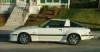
so where can i aquire one of these widebody kits?. also another question, these 'waffle patter' wheels, do they look like this by any chance?

Full Member

Joined: May 2005
Posts: 229
Likes: 0
From: Newport, Rhode Island
Below is a link, for a post, made in this forum about a true IMSA Rx7 widebody pace car then was and may still be for sale. Not sure about the details regarding the kit or if it came from Mazda with the kit installed, but it's a beauty.
https://www.rx7club.com/showthread.php?t=440333
https://www.rx7club.com/showthread.php?t=440333
Full Member
Joined: Feb 2005
Posts: 71
Likes: 0
From: Guam
Originally Posted by Dan_s_young
Same widebody kit as what me and Trochoid have, Old CPracing kit but it is now offered through VB. Your car looks awesome, I am just in the process of putting mine together and swapping all the electrical and stuff...
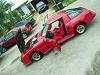
I know my car is a 1985 widebody and the kit allows for you to put on the SA front bumper. A few people have this kit, but finished cars with this kit are few and far between. (as far as I know of)
I know my car is a 1985 widebody and the kit allows for you to put on the SA front bumper. A few people have this kit, but finished cars with this kit are few and far between. (as far as I know of)
WOW! That looks awesome!

I like the way the wheels are flushed with the fenders. nice
Apprentice Guru
Joined: Oct 2001
Posts: 1,425
Likes: 0
From: Cloud Nine and Peak of God
[QUOTE=Rxcalibur]Below is a link, for a post, made in this forum about a true IMSA Rx7 widebody pace car then was and may still be for sale. Not sure about the details regarding the kit or if it came from Mazda with the kit installed, but it's a beauty.
This particular 'offical' car was a stock 82 with the Mazda replica widebody panels added for its role as a pace car. It was not an IMSA competition car. The streetport 12A and turbo were added on later to give the car the performance it looked like. It certainly is high priced for its five minutes of fame. Also I am not certain if it was the only one made up for the particular event.
The Mazda IMSA colours for 82 were all white with MAZDA in large 24" blue letters painted on the hood and roof which could be read easily from the far side of the track. The IMSA Mazda colours for the 79 from which the factory replica panels were copied were white with orange and red stripes.
The colour scheme of the 1980 IMSA mock-up in this thread is not Mazda but more like the Ford Cobra competition scheme of that period.
One of the best looking gen 1 factory widebodies was the 85 IMSA GTO with a seperate wing rather than a spoiler or whale tail. However, I certainly would settle for a type 252 or 254 in my garage. The sound of a 13B pp at full throttle drowns out any police siren!
This particular 'offical' car was a stock 82 with the Mazda replica widebody panels added for its role as a pace car. It was not an IMSA competition car. The streetport 12A and turbo were added on later to give the car the performance it looked like. It certainly is high priced for its five minutes of fame. Also I am not certain if it was the only one made up for the particular event.
The Mazda IMSA colours for 82 were all white with MAZDA in large 24" blue letters painted on the hood and roof which could be read easily from the far side of the track. The IMSA Mazda colours for the 79 from which the factory replica panels were copied were white with orange and red stripes.
The colour scheme of the 1980 IMSA mock-up in this thread is not Mazda but more like the Ford Cobra competition scheme of that period.
One of the best looking gen 1 factory widebodies was the 85 IMSA GTO with a seperate wing rather than a spoiler or whale tail. However, I certainly would settle for a type 252 or 254 in my garage. The sound of a 13B pp at full throttle drowns out any police siren!
Full Member
Joined: May 2005
Posts: 229
Likes: 0
From: Newport, Rhode Island
Apprentice Guru
Joined: Oct 2001
Posts: 1,425
Likes: 0
From: Cloud Nine and Peak of God
Having seen the ebay photos, this RX-7 is definitely not one of the cars modified by Mazda or having factory replica wide body panels. It is one of very many with an after-market body kit.
False advertising?
False advertising?
Ya that is the CP racing kit mated with some horrible looking wing... So many things don't look right about this car, but I don't want to get into a big flame war. Something just looks WRONG about the view of the car from the side, I think its the front mudflaps, the paint with the yellow on the rear and something about the rims/tires.... I hope my car looks a little more smooth when done (no offense to the owner of this car... just not my style)
and WTF the wheels weight 4 and 5 pounds? ummmm ya right....
and WTF the wheels weight 4 and 5 pounds? ummmm ya right....

Thread
Thread Starter
Forum
Replies
Last Post
KAL797
Test Area 51
0
Aug 11, 2015 03:47 PM
