


Improve cooling with laminar flow air channels?


Thread Starter
Spinning Dorito
iTrader: (11)
Joined: Dec 2010
Posts: 405
Likes: 0
From: Boulder, Colorado
 Improve cooling with laminar flow air channels?
I have been doing some reading on laminar flow and how it affects air speed and general channeling through a passage. Now I am very interested to see what the general public thinks as far as this goes. I think it could be a plausible way to increase air flow and efficiency. Directly channeled to the radiator, intercooler, oil cooler(s) etc. There would be a dense cluster of tubes or straws that could be lightweight and cut to angle and length.
Now the radiator is already designed to create laminar flow since air travels through the fins air flow gets directed in a more linear path. Now the problem is the air coming through the front of the vehicles openings. This air is turbulent.

The image in the bottor is a very crude but efficient example.
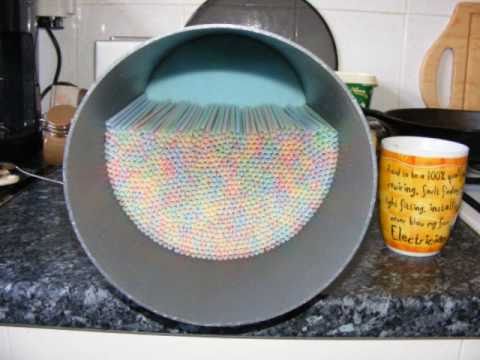

In similar ways that a catalytic converter works, for the exception of high density clusters.
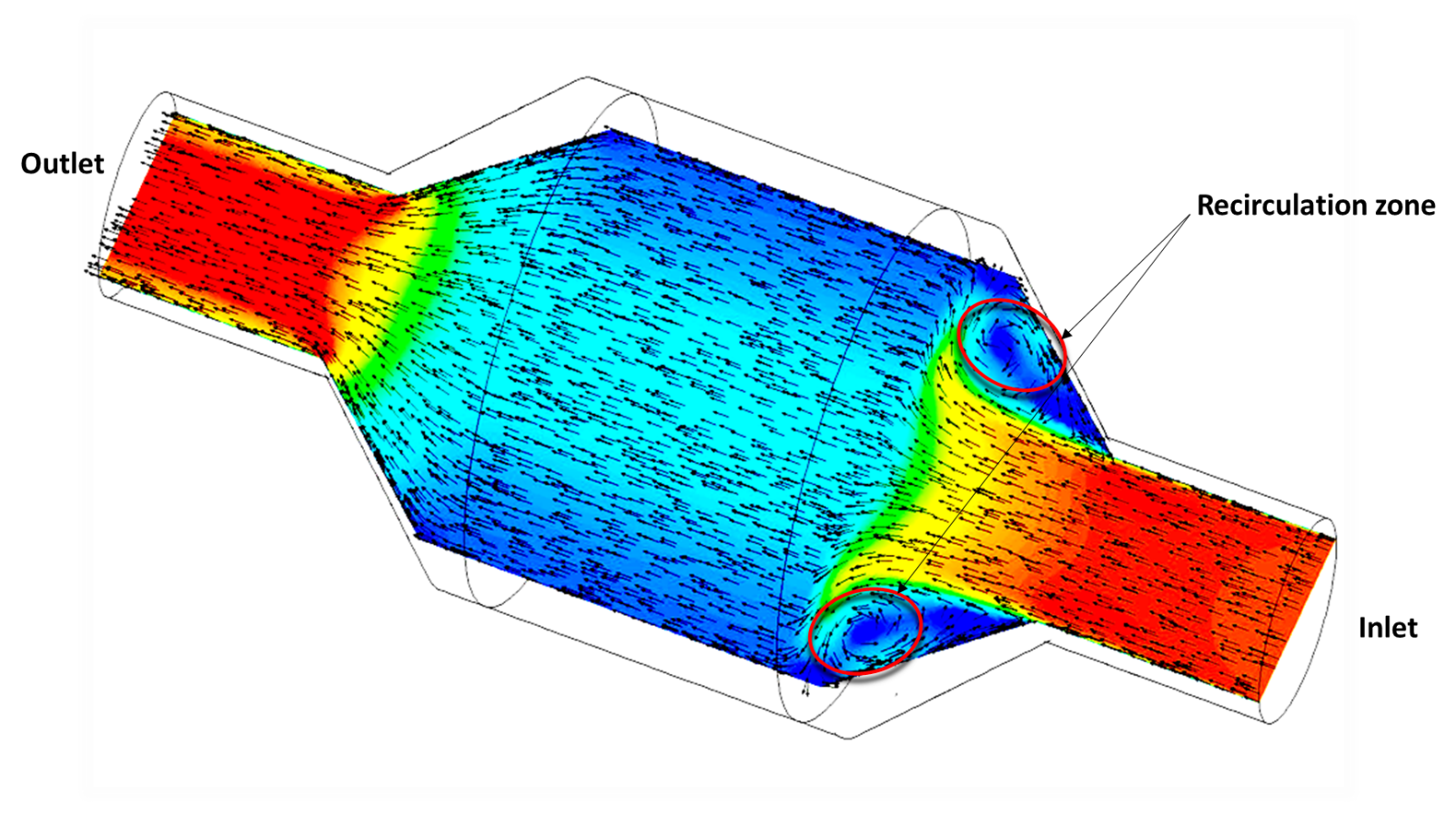

If this could prove the a cost effective way of improving flow I might toy with the idea.
Any thought and input greatly appreciated
Now the radiator is already designed to create laminar flow since air travels through the fins air flow gets directed in a more linear path. Now the problem is the air coming through the front of the vehicles openings. This air is turbulent.
The image in the bottor is a very crude but efficient example.
In similar ways that a catalytic converter works, for the exception of high density clusters.
If this could prove the a cost effective way of improving flow I might toy with the idea.
Any thought and input greatly appreciated

(Terraplane)

Joined: Apr 2005
Posts: 345
Likes: 13
From: Arizona desert, where the terraplanes roam.
Honeycomb diffuser
I don't know if this aids cooling. Maybe someone with experience using this could answer.
Honeycomb Radiator Protector, 19 x 26 Inch - Speedway Motors, America's Oldest Speed Shop
Protection for your radiator: The Nomex Honey Comb Protector, sold by Speedway Motors, offers excellent protection from mud clods, rocks and stones. This is the same stuff the Outlaws use. It’s lightweight but very strong, at ½” thick. Place it directly in front of radiator and let it take the beating instead of your aluminum radiator. Some guys have raced a whole season with one honey comb. Usage will vary depending on track conditions. It can easily be cut down to size.
Honeycomb Radiator Protector, 19 x 26 Inch - Speedway Motors, America's Oldest Speed Shop
Protection for your radiator: The Nomex Honey Comb Protector, sold by Speedway Motors, offers excellent protection from mud clods, rocks and stones. This is the same stuff the Outlaws use. It’s lightweight but very strong, at ½” thick. Place it directly in front of radiator and let it take the beating instead of your aluminum radiator. Some guys have raced a whole season with one honey comb. Usage will vary depending on track conditions. It can easily be cut down to size.



http://www.google.com/patents/US6237680
There is a 15 year old patent that hasn't been utilized by an OE. Guessing it's not a completely viable idea.
There is a 15 year old patent that hasn't been utilized by an OE. Guessing it's not a completely viable idea.


Now the radiator is already designed to create laminar flow since air travels through the fins air flow gets directed in a more linear path. Now the problem is the air coming through the front of the vehicles openings. This air is turbulent.
The air traveling through the heat exchanger fins is not laminar flow, but turbulent.
The heat exchanger fins are punched in a way to increase surface area and promote turbulent flow to increase heat transfer at a slight cost to heat exchange medium (air) velocity through the core.
A properly designed duct is indeed one that not only retains air velocity within the duct, but distributes the air evenly over the core. The duct should also help retain air that has entered the duct from being rejected by the face of the heat exchanger.
There is definitely modeling that goes into proper ducting- you can check out the old NACA/NASA reports on it from when airplane engines/heat exchangers became streamlined to get ideas on what works best.
I think your idea has merit in at least the example of a forward facing duct opening leading to a severely angled heat exchanger core. This was found to be an inefficient design in the NACA reports, but often a desirable layout in our cars due to packaging and keeping a thin heat exchanger core cross section due to the relatively low air velocities available.
While you are looking up the NACA ducting reports check into foamed carbon heat exchangers and nano-rod coolants. If you want to push the envelope on cooling you might want to start with the cutting edge heat exchangers/media and their requirements before even messing with traditional exchangers/media.
Part of the problem bringing on the new tech is the traditional ducting/layout/low pressure fans (at least with the foam carbon heat exchangers).
The air traveling through the heat exchanger fins is not laminar flow, but turbulent.
The heat exchanger fins are punched in a way to increase surface area and promote turbulent flow to increase heat transfer at a slight cost to heat exchange medium (air) velocity through the core.
A properly designed duct is indeed one that not only retains air velocity within the duct, but distributes the air evenly over the core. The duct should also help retain air that has entered the duct from being rejected by the face of the heat exchanger.
There is definitely modeling that goes into proper ducting- you can check out the old NACA/NASA reports on it from when airplane engines/heat exchangers became streamlined to get ideas on what works best.
I think your idea has merit in at least the example of a forward facing duct opening leading to a severely angled heat exchanger core. This was found to be an inefficient design in the NACA reports, but often a desirable layout in our cars due to packaging and keeping a thin heat exchanger core cross section due to the relatively low air velocities available.
While you are looking up the NACA ducting reports check into foamed carbon heat exchangers and nano-rod coolants. If you want to push the envelope on cooling you might want to start with the cutting edge heat exchangers/media and their requirements before even messing with traditional exchangers/media.
Part of the problem bringing on the new tech is the traditional ducting/layout/low pressure fans (at least with the foam carbon heat exchangers).


Been a long time since college and my heat transfer class.
But i remember turbulant flow being better at removing heat, not laminar flow. Laminar/turbulant flow and the boundary layer using the reynolds number....
heat exchangers already are set up with set ups to create turbulant flow and have the channels to conduct and convet heat through forced convection to the air passing through the heat exchangers.
The conduction is already designed in the radiator, same with the fins to create turbulant flow through the radiator core. the question lies in how do you move the air from one side to the other efficiently. More mass flow means more cooling of the heat exchanger.
Typically ducting is created to create pressure differences to suck air in and have it evacuate out and done so efficiently. Typically this is done with a divergent front with a convergent rear duct. This creates those pressure differentials and sucks the air in and speeds it going out. If designed well it can also minimize drag. Air going in and out is very well thought out on formula 1 cars to reduce drag for better downforce/better MPG, etc, etc, etc, etc.
But i remember turbulant flow being better at removing heat, not laminar flow. Laminar/turbulant flow and the boundary layer using the reynolds number....
heat exchangers already are set up with set ups to create turbulant flow and have the channels to conduct and convet heat through forced convection to the air passing through the heat exchangers.
The conduction is already designed in the radiator, same with the fins to create turbulant flow through the radiator core. the question lies in how do you move the air from one side to the other efficiently. More mass flow means more cooling of the heat exchanger.
Typically ducting is created to create pressure differences to suck air in and have it evacuate out and done so efficiently. Typically this is done with a divergent front with a convergent rear duct. This creates those pressure differentials and sucks the air in and speeds it going out. If designed well it can also minimize drag. Air going in and out is very well thought out on formula 1 cars to reduce drag for better downforce/better MPG, etc, etc, etc, etc.

Thread
Thread Starter
Forum
Replies
Last Post
Jeff20B
1st Generation Specific (1979-1985)
73
Sep 16, 2018 07:16 PM
[For Sale] Scratch & Dent, Used, and Open-Box Sale!
SakeBomb Garage
Vendor Classifieds
5
Aug 9, 2018 05:54 PM
ZaqAtaq
New Member RX-7 Technical
2
Sep 5, 2015 08:57 PM