


Sreetport Or Bridgeport???



As other have asked, what are your power goals? What turbo will you be running? Are you alright with more noise?
I'm currently running a 1/2 bridge and love it. Really the only time i don't like it is when i'm stuck in traffic. Besides the idle and gas mileage every on the bridge is better, but if you are asking this question then we have to assume you don't care about mileage.
One thing i would recommend, is that if you decide to go with a bridge, do a full bridge and not a 1/2 like i did. You get the same idle headaches with a full bridge that you do with a 1/2, just will a little more power and noise.
I'm currently running a 1/2 bridge and love it. Really the only time i don't like it is when i'm stuck in traffic. Besides the idle and gas mileage every on the bridge is better, but if you are asking this question then we have to assume you don't care about mileage.
One thing i would recommend, is that if you decide to go with a bridge, do a full bridge and not a 1/2 like i did. You get the same idle headaches with a full bridge that you do with a 1/2, just will a little more power and noise.

porting a rotary is the same as putting a higher lift camshaft on a piston engine(longer duration is not always relative to this).
the more you port, the farther to the right your powerband will go, sacrificing low-end power for drivability.
for a streetport, you get the overall benefit of maintaining good low-end power while being able to flow enough air up top as well. an equivalent in cams is
roughly a 264* cam(dont take my word for it)
for a bridge-port (full or half) you are essentially adding to the streetport, with a much earlier opening of the intake. if you look a bridge-port pics, the extra port is adding the extra lift and slightly longer duration for the high-rpm power that some people need/want. a cam equivalent is somewhere around a 280-300* cam(4AG guys have a 306* cams on the most extreme setups).
the "cam equivalent" is not an accurate comparison, but i put it in there to use as a guide, to what porting a rotary does, on a piston engine.
if you plan on being streetable, stick with a streetport. there are mild and aggressive streetports and that decision should be left to the engine builder.
a bridge may sound bad-*** for a street car..... but try to keep up in traffic under 4k rpm with a lack of torque.
your power goals are some what realistic. there are many people who have achieved almost 700hp on an aggressive streetport
the more you port, the farther to the right your powerband will go, sacrificing low-end power for drivability.
for a streetport, you get the overall benefit of maintaining good low-end power while being able to flow enough air up top as well. an equivalent in cams is
roughly a 264* cam(dont take my word for it)
for a bridge-port (full or half) you are essentially adding to the streetport, with a much earlier opening of the intake. if you look a bridge-port pics, the extra port is adding the extra lift and slightly longer duration for the high-rpm power that some people need/want. a cam equivalent is somewhere around a 280-300* cam(4AG guys have a 306* cams on the most extreme setups).
the "cam equivalent" is not an accurate comparison, but i put it in there to use as a guide, to what porting a rotary does, on a piston engine.
if you plan on being streetable, stick with a streetport. there are mild and aggressive streetports and that decision should be left to the engine builder.
a bridge may sound bad-*** for a street car..... but try to keep up in traffic under 4k rpm with a lack of torque.
your power goals are some what realistic. there are many people who have achieved almost 700hp on an aggressive streetport
the crowned prince

Joined: Jul 2005
Posts: 323
Likes: 0
From: hamilton, jerz
It shouldn't cost more to bridge the port.. Nor should it be less reliable especially with Ray Wilson. No more expensive until you get to the pump that is. Half bridge is kinda a stepping stone and not the worst idea but either bridge, full or half, is going to suffer mileage wise. I know people that daily full bridges so it certainly can be done. Que in opinions from Dow Jones and the oil companies?
Joined: Feb 2003
Posts: 719
Likes: 0
From: Kingston Ontario
Have you driven a single turbo bridged car lately?
You can have drive ability with a bridge.
My advice, go big have fun with the car. Drive it all you want in the city but if you want the reliability and streetability of a DD then go buy one.
You can have drive ability with a bridge.
My advice, go big have fun with the car. Drive it all you want in the city but if you want the reliability and streetability of a DD then go buy one.

!!!!HALF-BRIDGEPORT!!!!
Best of both worlds, and there is NO PROBLEM driving a bridgeport in normal city driving, only problem i can see is alot of speeding tickets because your right foot will not listen to reason.
Best of both worlds, and there is NO PROBLEM driving a bridgeport in normal city driving, only problem i can see is alot of speeding tickets because your right foot will not listen to reason.
porting a rotary is the same as putting a higher lift camshaft on a piston engine(longer duration is not always relative to this).
the more you port, the farther to the right your powerband will go, sacrificing low-end power for drivability.
for a streetport, you get the overall benefit of maintaining good low-end power while being able to flow enough air up top as well. an equivalent in cams is
roughly a 264* cam(dont take my word for it)
for a bridge-port (full or half) you are essentially adding to the streetport, with a much earlier opening of the intake. if you look a bridge-port pics, the extra port is adding the extra lift and slightly longer duration for the high-rpm power that some people need/want. a cam equivalent is somewhere around a 280-300* cam(4AG guys have a 306* cams on the most extreme setups).
the "cam equivalent" is not an accurate comparison, but i put it in there to use as a guide, to what porting a rotary does, on a piston engine.
if you plan on being streetable, stick with a streetport. there are mild and aggressive streetports and that decision should be left to the engine builder.
a bridge may sound bad-*** for a street car..... but try to keep up in traffic under 4k rpm with a lack of torque.
your power goals are some what realistic. there are many people who have achieved almost 700hp on an aggressive streetport
the more you port, the farther to the right your powerband will go, sacrificing low-end power for drivability.
for a streetport, you get the overall benefit of maintaining good low-end power while being able to flow enough air up top as well. an equivalent in cams is
roughly a 264* cam(dont take my word for it)
for a bridge-port (full or half) you are essentially adding to the streetport, with a much earlier opening of the intake. if you look a bridge-port pics, the extra port is adding the extra lift and slightly longer duration for the high-rpm power that some people need/want. a cam equivalent is somewhere around a 280-300* cam(4AG guys have a 306* cams on the most extreme setups).
the "cam equivalent" is not an accurate comparison, but i put it in there to use as a guide, to what porting a rotary does, on a piston engine.
if you plan on being streetable, stick with a streetport. there are mild and aggressive streetports and that decision should be left to the engine builder.
a bridge may sound bad-*** for a street car..... but try to keep up in traffic under 4k rpm with a lack of torque.
your power goals are some what realistic. there are many people who have achieved almost 700hp on an aggressive streetport

Thread Starter
Phuckitsfast!
Joined: Sep 2008
Posts: 91
Likes: 0
From: Aberdeen, MD
Well, after a long talk with Ray today, I've decided to go full bridge. All the more it costs and the added securety of having it dowel pinned and clearanced, it just made sence. Oh yeah, the extra power and the sound helped a little.
the crowned prince
Joined: Jul 2005
Posts: 323
Likes: 0
From: hamilton, jerz
the crowned prince
Joined: Jul 2005
Posts: 323
Likes: 0
From: hamilton, jerz
Good for you. Once it's all said and done make sure to let us see some numbers as well as your comparison of non-bridge to bridge. Let the waiting begin! Good luck!

Joined: Feb 2001
Posts: 29,798
Likes: 128
From: London, Ontario, Canada
It shouldn't be less reliable if the bridges are cut right.
Yep. Vacuum drops dramatically. At idle of around 1300 RPM vacuum will be about 8-10". It doesn't really effect any other equipment though since all of the emissions system will have already been removed, and the brake booster has a check valve.
However it does make the car a lot more challenging to tune as you've effectively reduced the resolution to half of what it normally is. Bridgeports also have some very specific timing requirements that most tuners don't seem to grasp.
The real question is your goal. If you are trying to make 400HP, then a bridge is a massive waste of time. The larger turbo required, the poor mileage, difficult tuning and volume of the engine make it a bad choice unless it's a track car. 400HP is easily done on street ports with good turbo response.
I'm picking on "400HP" because it seems that's what 90% of people want.
It adds several hours to the porting process, so with anyone actually charging for labour I would expect it to cost 50% more.
Exactly. There's the major disadvantage. Work as hard as you might, mileage in the city is going to be 8-10 MPG. Now I've had several well known tuners tell me they can get 15-17MPG out of a bridgeport in the city, yet they've never provided any information as to how this is done. And since I'm not exactly bad at tuning myself I've done a lot of experimenting and still can't get more then about 10 MPG out of mine, so I call BS on anyone who says they get decent city mileage with a bridge.
However it does make the car a lot more challenging to tune as you've effectively reduced the resolution to half of what it normally is. Bridgeports also have some very specific timing requirements that most tuners don't seem to grasp.
I guess my real concern here is this. If I just get it streetported now, and decide down the road that I want to get full bridge, then I really spend more money because of the added labor to remove everything again. So I guess what I'm thinking is that I should just go with the full bridge now. Many have told me that the powerband will be wider across the board and this really is what I'm looking for. Plus, with it being dowled and pinned, it's got to be stronger, right?
I'm picking on "400HP" because it seems that's what 90% of people want.
It adds several hours to the porting process, so with anyone actually charging for labour I would expect it to cost 50% more.
Half bridge is kinda a stepping stone and not the worst idea but either bridge, full or half, is going to suffer mileage wise. I know people that daily full bridges so it certainly can be done. Que in opinions from Dow Jones and the oil companies?
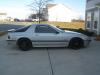
I don't have great data on city driving, but highway i can get over 24mpg, I am running in the 17-18AFR. Only problem is it is bucky with throttle changes because of the extremely lean afr's
But i will agree that 15-17 in the city would be kinda hard, 9-12 is more like it, at least in my case.
The best bet if you want a good city mpg with a HBP then keep the primary intakes on the smaller size, and go crazy with the secondaries.
But i will agree that 15-17 in the city would be kinda hard, 9-12 is more like it, at least in my case.
The best bet if you want a good city mpg with a HBP then keep the primary intakes on the smaller size, and go crazy with the secondaries.
Last edited by Rx7_Nut13B; Oct 10, 2008 at 07:34 PM.
Thread Starter
Phuckitsfast!
Joined: Sep 2008
Posts: 91
Likes: 0
From: Aberdeen, MD
The mileage it's going to get is the least of my worries. I mean really, if you have a car that's pushing 500 to the wheel or better on pump gas, who cares about mileage. But thanks for the input. Ray pulled the engine today. I'll keep you posted.

Joined: Feb 2001
Posts: 29,798
Likes: 128
From: London, Ontario, Canada
You have a slight dilemma. If you bump timing to help the throttle changes, you're going to build some impressive EGTs at those ratios. I'd honestly suggest richening it up to mid 15s and then bumping the timing well past 30 degrees at low loads. Currently I run around 35-38 which makes for a very smooth car until around 2000 RPM or so. I get a bit of bucking cruising at 2000 RPM every once and a while but aside from that it's completely livable. More split also helps a great deal. Try 15 degrees at low RPMs and light loads.
The best bet if you want a good city mpg with a HBP then keep the primary intakes on the smaller size, and go crazy with the secondaries.
Keep in mind that 500 HP to the wheels is great and all, but you'll not be at full throttle much on the street. 99.99% of your driving will be at light load so do you really want to build a car for WOT?
 My car rarely sees the city, exept for the occational tunnel run. Desolate country back roads is where my car lives. So yeah, she does get to live it up!
Rotary Enthusiast
Joined: Sep 2010
Posts: 827
Likes: 12
From: new zealand
good to hear you went full bridgey. full bridges and street driven peripheral ports must be far more common here in NZ as alot of you guys seem to be afraid of 'em. its about how they are cut and the tune. what you guys get in the way of stand alone ecu's? anyone whos anyone in NZ will run microtechs.

Joined: May 2006
Posts: 3,881
Likes: 3
From: Jacksonville, Tampa & Tallahassee
Originally Posted by Aaron Cake
Really, there's nothing you can do about the city mileage. No matter how you size your injectors the intake charge is still massively diluted. Its going to require about twice as much fuel down low as a street port to maintain the same ratios.
Seems like it should at least be better than a full, even if marginally so.

Thread
Thread Starter
Forum
Replies
Last Post
LongDuck
1st Generation Specific (1979-1985)
12
Oct 7, 2015 08:12 PM
