When you click on links to various merchants on this site and make a purchase, this can result in this site earning a commission. Affiliate programs and affiliations include, but are not limited to, the eBay Partner Network.
I just opened my engine for a rebuild. I found some of the bearings to show, I would say, significant wear, but I'm not sure.
I will just let the pictures speak..
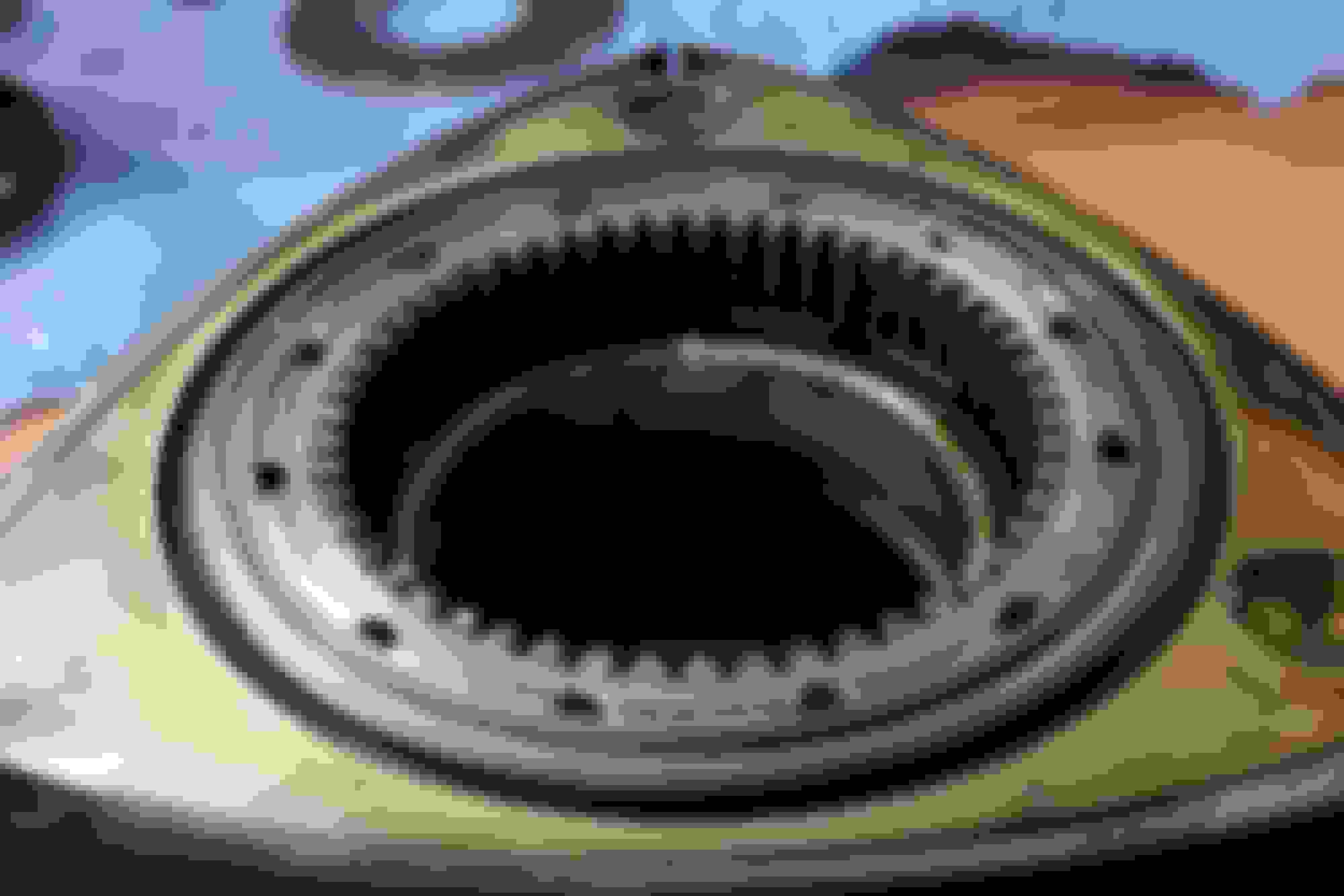
Rear rotor:
The front rotor bearing looks fine to me, at least there is no copper (?) shining through:
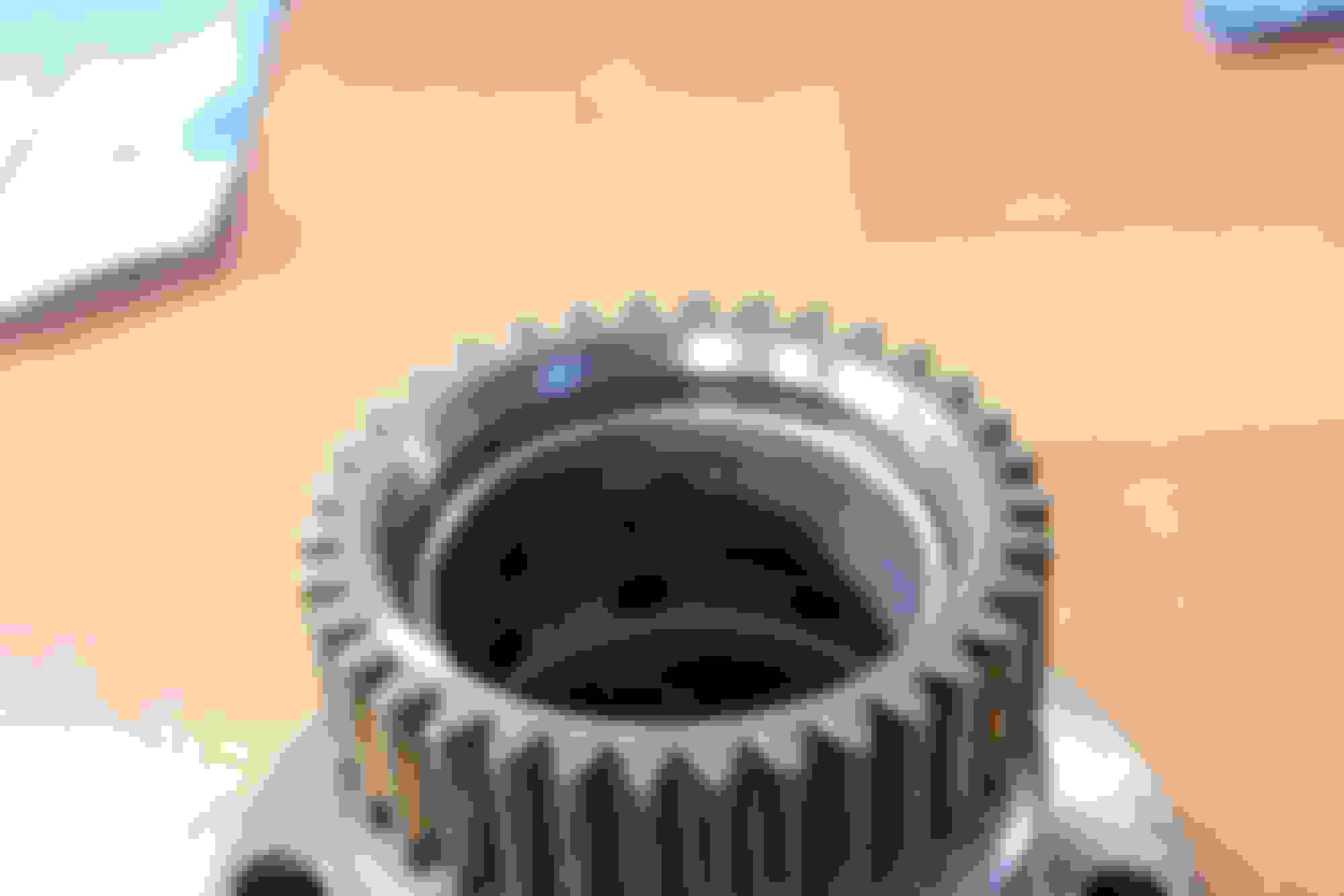
The front stationary gear:
And the rear stationary gear:
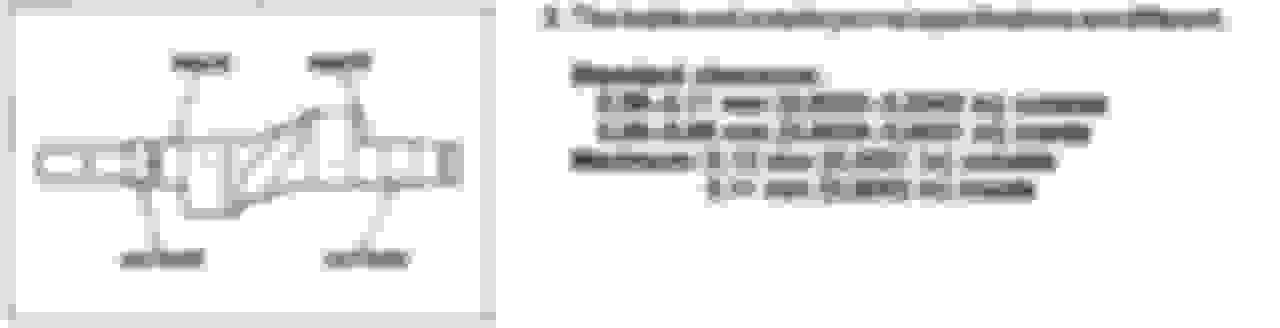
I haven't really meassured anything yet, because I only have a micrometer for outer diameter, not for inner diameter. I tried a feeler gauge between the front stationary gear bearing and the excentric shaft, biggest one I could get inbetween was 0.10mm IIRC but I think thats not even near exact enough a meassuring method. (Standard clearance on the outside would be 0.08mm-0.11mm though, according to the workshop manual)
Is it adviseable to reuse the bearings where the copper comes through? If I should replace them, is it enough to only replace that ones or should I replace all of them?
When bearing show copper I believe it's recommended to change it , at 50$ each is not that bad at all.
The first one looks better than the rear one , I'm sure people in the past installed then like that , but just for piece of mind , I would change them.
I meassured the main bearings today:
Inner diameter outer diameter clearance
43,05 .............. 42,97 .............. 0,083 rear inside
43,06 .............. 42,945 .............. 0,118 rear outside
43,05 .............. 42,96 .............. 0,093 front inside
43,05 .............. 42,94 .............. 0,110 front outside
So they are in spec, but just. I really think it would be best to replace them, and looking at the numbers all of them.
The rotor bearings couldn't be meassured today due to the lack of a proper meassuring device. Its ordered and on its way, but I assume the storry wont change much there.
The babbit material is gone, exposing the copper backing plate- the bearings are toast. I would now check the journal size on the shaft and check the surface condition of the shaft journal to make sure it will run okay on new bearings. I believe the shaft journals are nitrided and this layer should not be compromised.
Make sure you check the clearance between new bearings and the shaft journals, as too much clearance will cost you oil pressure as the oil film bleeds out the side of the bearing if the tolerance is too big. There is a Mazda tolerance for this somewhere but I don't have it offhand.
I have checked the outer diameter of the shaft ("outer diameter" above), but how do I know, if it is in spec? In the FSM there is no diameter mentioned, only the clearance between shaft and bearing..
Also, at RHD Japan you can order two types of bearing:
So all the clearances (main bearings and rotor bearings) are below the maximum. What does maximum mean in that instance? Can you reuse the parts up to maximum or should they not exeed the highest standard number?
Bearings are a wear item and should be replaced during every rebuild. The Mazda measurement for the bearings isn't very good because as you can see the numbers can be close to spec, yet the copper color can be showing through. Those have a lot of wear. From the pictures the metal oil control rings look worn out of spec too.
Last edited by IRPerformance; May 6, 2016 at 03:53 PM.
Bearings are a wear item and should be replaced during every rebuild. The Mazda measurement for the bearings isn't very good because as you can see the numbers can be close to spec, yet the copper color can be showing through. Those have a lot of wear.
Not that my opinion matters, but I agree with what you stated. I guess the question is why are the bearings showing copper like that?
Excessive belt tension can cause wear like that as it pulls up on the eshaft, therefore putting more stress on one side of the bearing. This is especially common when people eliminate the air pump without adding an aux idler pulley, and crank the belt tension to try to keep the water pump from slipping.
I have seen a rebuilt engine fail from complete front stat gear bearing failure.
No air pump and no replacement idler pulley for it. Over tighten water pump belt pulls the E shaft
so hard that oil does not properly flow around the journal. Thus failure.
The shop that rebuilt the engine did not inform the owner about this problem!
I have seen a rebuilt engine fail from complete front stat gear bearing failure.
No air pump and no replacement idler pulley for it. Over tighten water pump belt pulls the E shaft
so hard that oil does not properly flow around the journal. Thus failure.
The shop that rebuilt the engine did not inform the owner about this problem!