When you click on links to various merchants on this site and make a purchase, this can result in this site earning a commission. Affiliate programs and affiliations include, but are not limited to, the eBay Partner Network.
My beloved FC3S was sitting for almost two years with 40k miles in it, i replaced new sparks, wires, oil change and STILL not starting.i removed the 4 plugs and EGI Fuse again and cranked 15-20sec and installed everything back again correctly and STILL wont start. What went wrong?? did i forget to light the spark plugs with a cigarette lighter before installation or is this car severely flooded or Low compression for sitting too long...
My beloved FC3S was sitting for almost two years with 40k miles in it, i replaced new sparks, wires, oil change and STILL not starting.i removed the 4 plugs and EGI Fuse again and cranked 15-20sec and installed everything back again correctly and STILL wont start. What went wrong?? did i forget to light the spark plugs with a cigarette lighter before installation or is this car severely flooded or Low compression for sitting too long...
A few things:
- Don't do the ATF trick. ATF eats rubber seals and could potentially damage the oil control rings in the engine. I'm not 100% certain this is the case (have not left the rings in oil to observe what happens) but there is no reason to risk it since engine oil can have the exact same compression building effect with zero risk.
- New spark plugs and wires are a good idea, but just buying parts is only half the process. You should start by doing some basic diagnostics which I will explain below.
And one cheap and easy thing that will prevent the car starting that almost everyone misses: Make sure the water temp sensor directly below the alternator (looks like a fuel injector connector) is connected. Otherwise the car will assume it is warm and run too lean to start.
Your engine needs four things to run: Air, fuel, spark, compression. Technically also timing, but we'll consider that a given because timing won't change on it's own when the car sits. I will list them in descending order of cost to diagnose:
Air: You almost certainly have air unless there is a blockage in the intake. Which is unlikely but possible.
Fuel: Take out the air filter and spray starter fluid into the intake while a friend cranks the car over. If the car tries to start or starts, keep spraying for a second then let off. If the car dies after you stop spraying the fluid, you have a fuel issue. Further diagnosis can be done from there. If spraying the fluid in doesn't help, either it is flooded (unlikely since you already tried the flood clearing trick) or you have a spark / compression issue.
Spark: Use a spark checker. If you have spark you can move on, if not it's time to diagnose. You already replaced the plugs and wires so those are good. Ignition coils are unlikely to fail but it is possible. Check the connections for the coils and make sure they are bolted down solidly to the body. If that checks out and still there is no spark, check the CAS connection. After that it is the main relay, ECU, or something in the harness. Procedures to test these are in the Factory Service Manual at Foxed.ca.
Compression: The free way: Pull the EGI fuse and one front plug. Listen for three even pulses while a friend cranks the engine. Repeat for rear rotor. If you aren't hearing three even pulses, you have a problem. The better way: Get a regular piston engine compression tester, remove the small valve in the spark plug end of the hose, then install in one plug hole. Have a friend crank the engine while you watch the gauge, looking for three even bounces above 90psi. Repeat for rear rotor. This will give you a decent idea of the compression.
i will take your starter fluid advice but you said if it doesn't help the situation than its leaky injectors..? I never had a strong smell or leak coming from the rats nest for a couple years now from replacing fuel hoses and omp lines in the past.
how do we know its leaky injectors? there was never a strong smell in the rats nest????
we don't yet, but ... if the car sat, untouched, for two years, and it has spark (and good compression), but t's truly flooding out, then it's a likely scenario.
- Don't do the ATF trick. ATF eats rubber seals and could potentially damage the oil control rings in the engine. I'm not 100% certain this is the case (have not left the rings in oil to observe what happens) but there is no reason to risk it since engine oil can have the exact same compression building effect with zero risk.
- New spark plugs and wires are a good idea, but just buying parts is only half the process. You should start by doing some basic diagnostics which I will explain below.
And one cheap and easy thing that will prevent the car starting that almost everyone misses: Make sure the water temp sensor directly below the alternator (looks like a fuel injector connector) is connected. Otherwise the car will assume it is warm and run too lean to start.
Your engine needs four things to run: Air, fuel, spark, compression. Technically also timing, but we'll consider that a given because timing won't change on it's own when the car sits. I will list them in descending order of cost to diagnose:
Air: You almost certainly have air unless there is a blockage in the intake. Which is unlikely but possible.
Fuel: Take out the air filter and spray starter fluid into the intake while a friend cranks the car over. If the car tries to start or starts, keep spraying for a second then let off. If the car dies after you stop spraying the fluid, you have a fuel issue. Further diagnosis can be done from there. If spraying the fluid in doesn't help, either it is flooded (unlikely since you already tried the flood clearing trick) or you have a spark / compression issue.
Spark: Use a spark checker. If you have spark you can move on, if not it's time to diagnose. You already replaced the plugs and wires so those are good. Ignition coils are unlikely to fail but it is possible. Check the connections for the coils and make sure they are bolted down solidly to the body. If that checks out and still there is no spark, check the CAS connection. After that it is the main relay, ECU, or something in the harness. Procedures to test these are in the Factory Service Manual at Foxed.ca.
Compression: The free way: Pull the EGI fuse and one front plug. Listen for three even pulses while a friend cranks the engine. Repeat for rear rotor. If you aren't hearing three even pulses, you have a problem. The better way: Get a regular piston engine compression tester, remove the small valve in the spark plug end of the hose, then install in one plug hole. Have a friend crank the engine while you watch the gauge, looking for three even bounces above 90psi. Repeat for rear rotor. This will give you a decent idea of the compression.
I will do a compression test so im not wasting time if it was the injectors. what do you think?
The fact that it runs on starter fluid implies a fuel issue. Your car isn't rich enough so it will only start on fluid.
If you start with fluid, don't touch the gas, and let it warm up, does it behave normally after that?
EDIT: And just for the hell of it, since I've seen this more than once: Stand by the passenger side fender, lean over the engine with a flashlight, and look straight down behind the alternator. Is the green sensor plugged in? Rectangular plug. If not, plug it in firmly and try again.
Last edited by WondrousBread; Mar 1, 2022 at 03:28 PM.
Im going to start the car with Starter spray and NOT touch the gas pedal this time. how do i make it run rich? by warming it up? my ECU is a RTEK 1.5 that disabled the Cold Start.... so im thinking Throttle position sensor needle needs adjustment perhaps
Last edited by divinefist81; Mar 1, 2022 at 03:48 PM.
Im going to start the car with Starter spray and NOT touch the gas pedal this time. how do i make it run rich? by warming it up? my ECU is a RTEK 1.5 that disabled the Cold Start.... so im thinking Throttle position sensor needle needs adjustment perhaps
You can't make it run rich, what you need to do is figure out why it's not doing that on its own.
There are two likely causes, I've already mentioned one. The way the ECU detects that it needs to apply warmup enrichment is using the sensor I mentioned. Disconnected / broken sensor = no warmup enrichment. This would make it run O.K when hot (at least enough to idle and drive somewhat normally) but poorly or not at all when cold. The ECU is designed to assume that it is warmed up if it does not see a sensor reading.
As for the rTek, I assume when they delete the cold start function they mean the 3000rpm high idle for 17 seconds after start. This won't matter, since you can disconnect that and the car will just do the normal cold start (1500-2000rpm slowly dropping to 750 when warm). I don't have an rTek though, so take that as speculation.
Anyways, richening the mixture (assuming you could do it) would be a bandaid solution. You have a fuel issue, and if it isn't due to that sensor I mentioned then the next likely cause is clogged injectors from sitting. But the sensor is easy and cheap (sometimes free) diagnosis so I would start there. If it is firmly plugged in then you need to move on to code pulling.
You can search "Rx7 FC pull codes" on Google and there's a guide from FC3SPro on it. I can find it for you later if I have the time.
You can't make it run rich, what you need to do is figure out why it's not doing that on its own.
There are two likely causes, I've already mentioned one. The way the ECU detects that it needs to apply warmup enrichment is using the sensor I mentioned. Disconnected / broken sensor = no warmup enrichment. This would make it run O.K when hot (at least enough to idle and drive somewhat normally) but poorly or not at all when cold. The ECU is designed to assume that it is warmed up if it does not see a sensor reading.
As for the rTek, I assume when they delete the cold start function they mean the 3000rpm high idle for 17 seconds after start. This won't matter, since you can disconnect that and the car will just do the normal cold start (1500-2000rpm slowly dropping to 750 when warm). I don't have an rTek though, so take that as speculation.
Anyways, richening the mixture (assuming you could do it) would be a bandaid solution. You have a fuel issue, and if it isn't due to that sensor I mentioned then the next likely cause is clogged injectors from sitting. But the sensor is easy and cheap (sometimes free) diagnosis so I would start there. If it is firmly plugged in then you need to move on to code pulling.
You can search "Rx7 FC pull codes" on Google and there's a guide from FC3SPro on it. I can find it for you later if I have the time.
where is this Sensor your talking about? i know where the injectors are but this senor i have no idea
I described it above, basically it's behind and directly below the alternator, best viewed from the passenger side. Green square connector.
Okay i see what your saying now ill have to get into the rats nest again and check that along taking out the injectors and check fuel hoses around the fuel filter area/
Okay i see what your saying now ill have to get into the rats nest again and check that along taking out the injectors and check fuel hoses around the fuel filter area/
You should be able to reach the sensor from above without removing anything, but checking those other things is a good idea too.
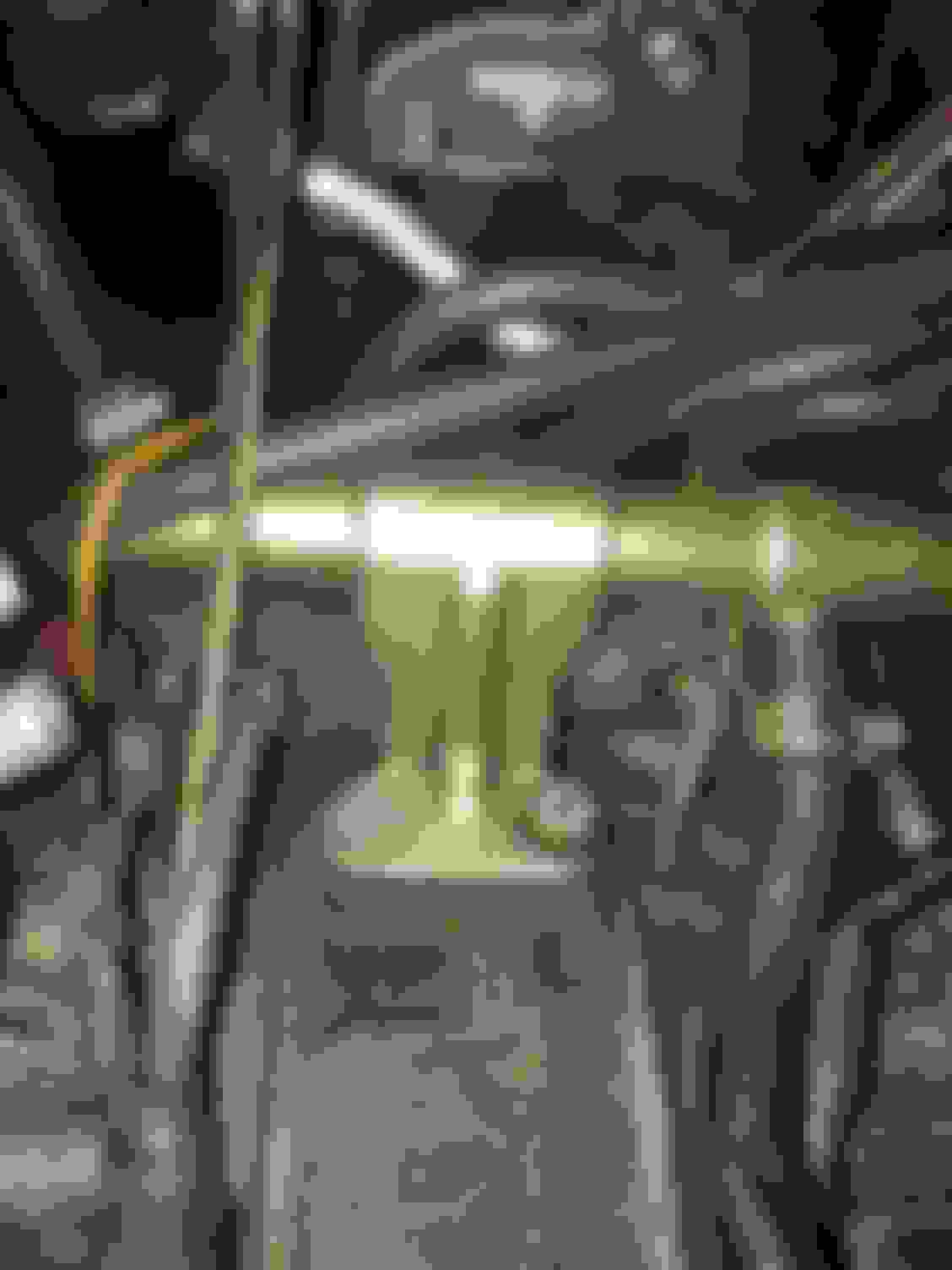
So those are both fuel rails. The one you are calling the pulsation damper is the primary fuel rail (which has the damper on it). The one up top is the secondary fuel rail.
To remove the injectors, you first remove the hose clamps and fuel hoses (technically optional but I find you can pinch the o-rings easily on reassembly if you skip this step). Make sure to catch the fuel safely of course, and wear gloves.
Then remove the hold down bolts and the rail should lift off. Usually the injectors come with it, if not they just pop out.
Be careful not to break the brown diffusers that sit under each injector (two in the manifold and two in the primary runners). They are fragile and expensive, and you don't want them going into your engine.
i figured id buy insulators,air bleed sockets and mixing plates when i get them serviced at a shop. do i leave those diffusers alone
I don't know all those terms, I assume those are injector parts. The diffuser I'm talking about is different.
When you take out the injectors, you can get all four of them serviced completely.
The part I'm mentioning is a small brown plastic piece. It sits under each injector, and stays in the engine / manifold when you pull the injectors.
These diffusers are super fragile, and they're important when using the stock injectors.
To remove them, you need to reach your finger in the primary intake port and gently push them up, and the other two on the upper intake can be reached from inside the runner. Then you can carefully remove the old o-rings and replace with new.
All I'm saying is to be careful, since they're expensive and very fragile. And you don't want pieces of them falling into the engine.
primary & secondary rails removed...
injectors removed 2 black bumpers below the nose (diffuser maybe)
found a a 2-hole plastic piece (hmm where does it go)
im going to clean this rails inside & out with an air hose; maybe this is where the problem was
gonna service the injectors at a diesel shop
Last edited by divinefist81; Mar 23, 2022 at 01:26 AM.
Thx to all for the feedback, i just replaced the fuel filter and the upper fuel line attached to it******************
how do i know the primary fuel rails are working properly? im thinking of air hosing them or run them through with alcohol********
waiting on the guy thats cleaning my injectors but NOT flowing them so i dunno i might jus buy the ebay 550cc for 54 bucks each versus old injector failure down the line******s
how do i know the primary fuel rails are working properly? im thinking of air hosing them or run them through with alcohol
The rails themselves don't break, but they can get debris in them when they've been off the engine for awhile. Carb cleaner is safe to use to spray them out.
Make sure to put a bit of oil on the injector seals (top and bottom) before installation, or they may tear / roll when installing the rail.



 Still Flooded after ATF method |help|
 did i forget to light the spark plugs with a cigarette lighter before installation or is this car severely flooded or Low compression for sitting too long...