When you click on links to various merchants on this site and make a purchase, this can result in this site earning a commission. Affiliate programs and affiliations include, but are not limited to, the eBay Partner Network.
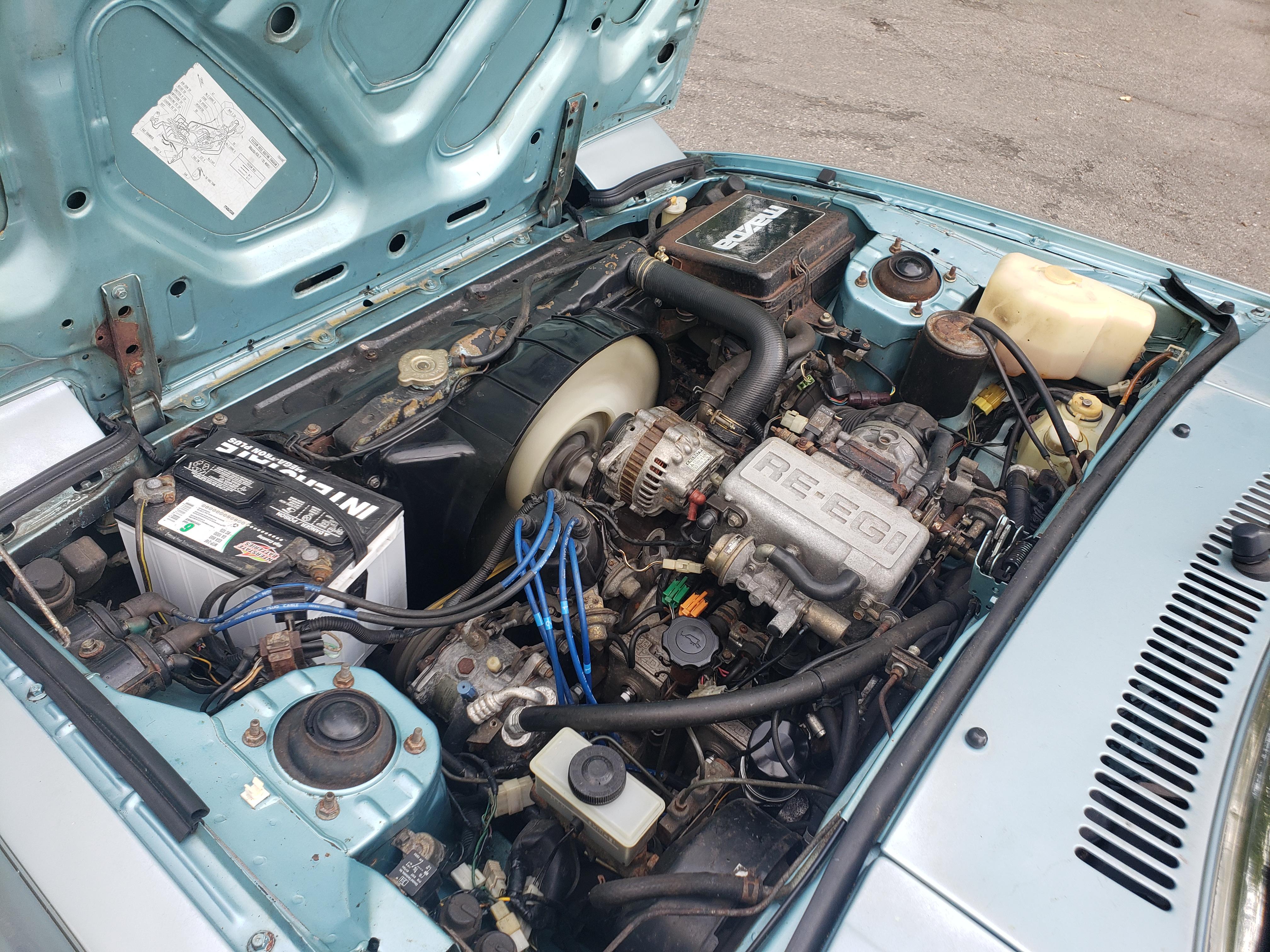
I just rotated my tires for the first time after about 4000 miles, the rear tires look good but the fronts were worn pretty badly on the inside of both tires. I think I recall that to adjust camber you rotate the strut assembly, but not sure how that is done or how much is needed in my case. is this something I can do without any special tools? TIA
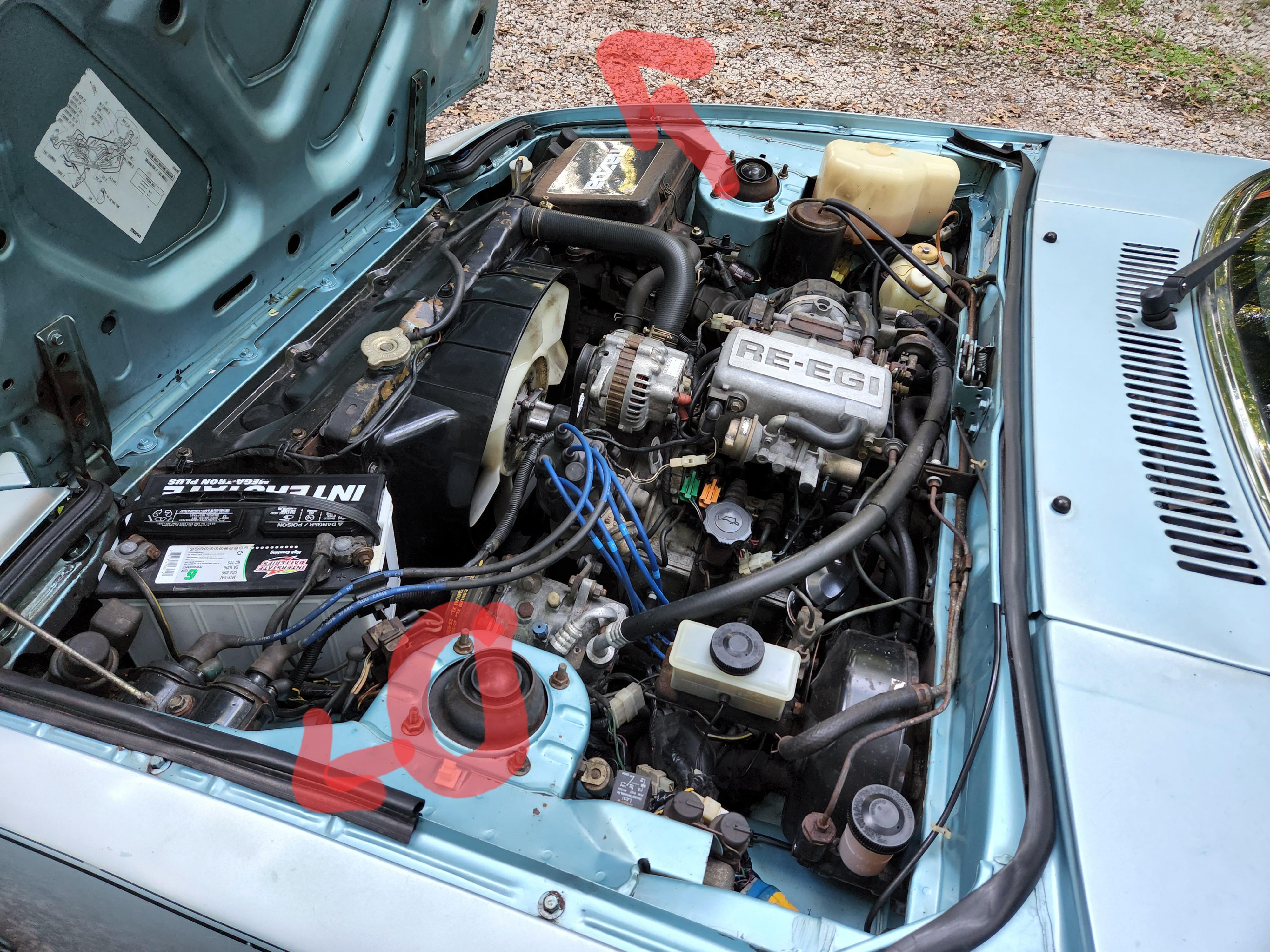
Typically, inside wear can be related to a negative camber issue. To adjust the camber, you would rotate the strut tops. This can be done by removing the four buts on the strut tower and lowering the strut assembly down. Once the pressure is off of the strut mount, it can be rotated. It's easy to pinch your fingers so be careful. I have my tops rotated so that the smallest gap between the mount and body is at the lowest inward corner. It may sound confusing but I can see if I have any pictures to help describe what I'm talking about.
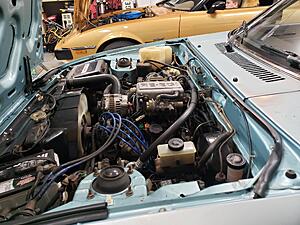
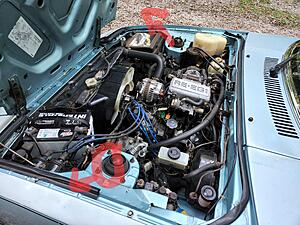
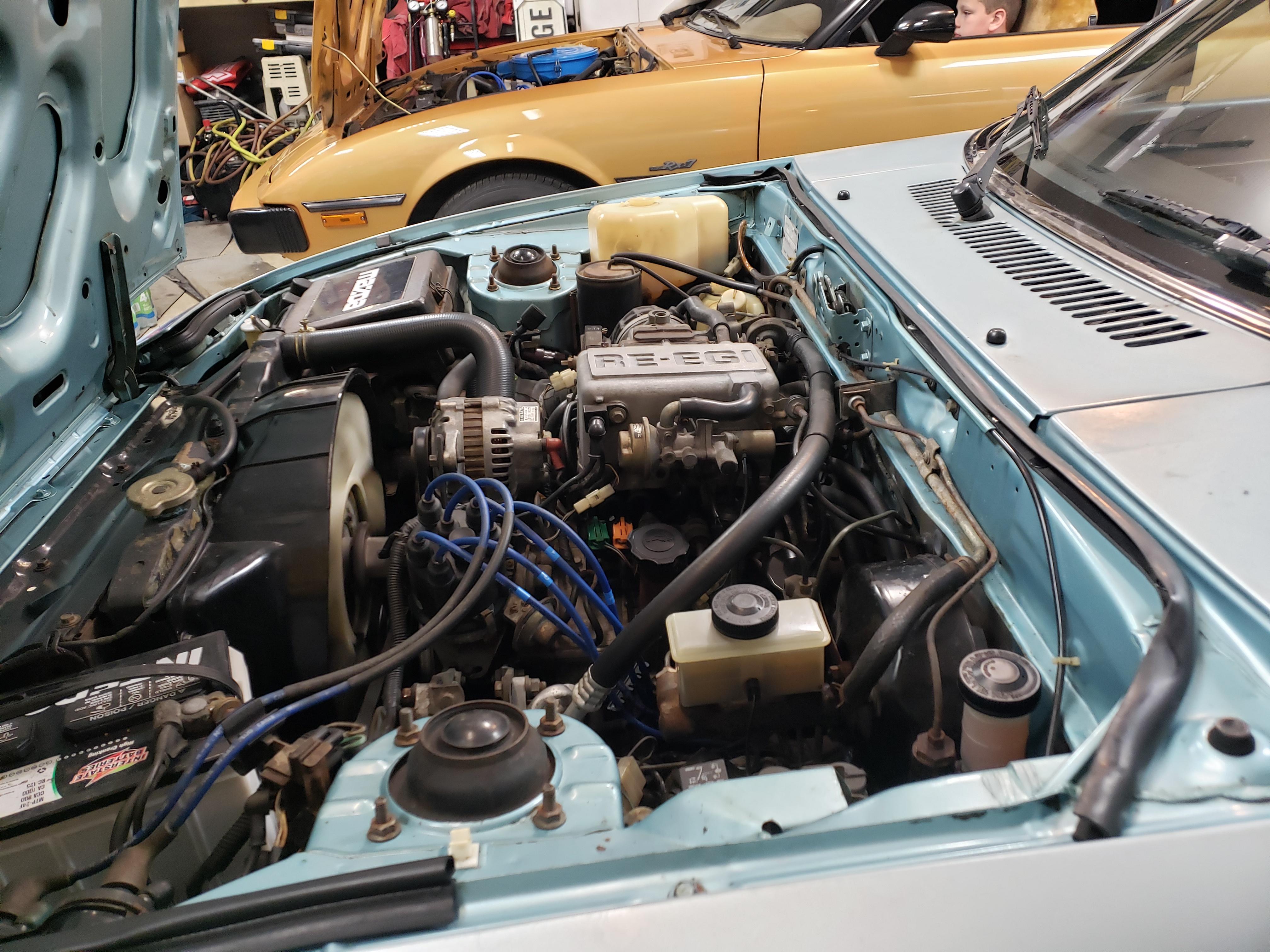
Hoping these pictures help. Circled in red is the largest gap and the arrows indicate that the largest gap faces the outermost corners of the front end. This is how I run my 7's and I haven't had any tire wear issues.
thanks, I see, mine aren't like that and don't even match each other either! I doubt that it has ever had alignment so could it have come from the factory like that? it seemed to handle well and didn't pull to one side or the other
To OP, your tire wear patterns (*assuming you rotated front-to-back) indicate a lack of caster on the left front corner, resulting in excessive tire wear when it leans in turns. This would likely be corrected by setting the Strut Top Bearings as shown above and recommended by others. Adding here for clarity;
With the bearings in this position, it makes for max camber and max caster for what the stock design can provide. Many guys opt for infinitely adjustable caster and camber bearing tops, but requires that you know a lot more about what you're doing, what you want, and how to make your car handle. For now, changing the Strut Tops to the above configuration is a good first step, and then watch tire wear to see if it's gotten any better. My bet is that it will.
With proper setup on the front end, I get zero weird tread wear and just rotated the tires this past week, front to back. They looked identical in terms of tread wear, with the only difference being tread depth (*more wear on the fronts). The car is running 15×6.5" wheels, 205/50 Yokohama tires, and stock bearings and strut tops.
To OP, your tire wear patterns (*assuming you rotated front-to-back) indicate a lack of caster on the left front corner, resulting in excessive tire wear when it leans in turns. This would likely be corrected by setting the Strut Top Bearings as shown above and recommended by others. Adding here for clarity;
With the bearings in this position, it makes for max camber and max caster for what the stock design can provide. Many guys opt for infinitely adjustable caster and camber bearing tops, but requires that you know a lot more about what you're doing, what you want, and how to make your car handle. For now, changing the Strut Tops to the above configuration is a good first step, and then watch tire wear to see if it's gotten any better. My bet is that it will.
With proper setup on the front end, I get zero weird tread wear and just rotated the tires this past week, front to back. They looked identical in terms of tread wear, with the only difference being tread depth (*more wear on the fronts). The car is running 15×6.5" wheels, 205/50 Yokohama tires, and stock bearings and strut tops.
Caster is a non tire wear angle, less caster on the drivers side helps the car track straight due to the crown in the road.
You are correct that caster is a non tire wearing angle. However, camber is, and with the camber out of adjustment, tires can wear drastically and quickly. The upper mounts being in the position that I and LongDuck recommend is the optimal setup for a mostly stock suspension setup. The op should adjust the strut mounts accordingly.
I do further also recommend that the op check for worn steering components and have the front toe checked and adjusted accordingly. I usually toe in slightly on my cars as it helps to resist road crown pull and helps the front end track evenly. You don't want one side toed in and the other toed out, nor do you want both toed out.
You are correct that caster is a non tire wearing angle. However, camber is, and with the camber out of adjustment, tires can wear drastically and quickly. The upper mounts being in the position that I and LongDuck recommend is the optimal setup for a mostly stock suspension setup. The op should adjust the strut mounts accordingly.
I do further also recommend that the op check for worn steering components and have the front toe checked and adjusted accordingly. I usually toe in slightly on my cars as it helps to resist road crown pull and helps the front end track evenly. You don't want one side toed in and the other toed out, nor do you want both toed out.
Not sure what you're saying, The pics I see are set at negative camber. The OPs car is correct with less caster on the left. Toe should be set with the steering wheel locked in the straight ahead position, so that its even side to side for your total toe setting, and a straight steering wheel.
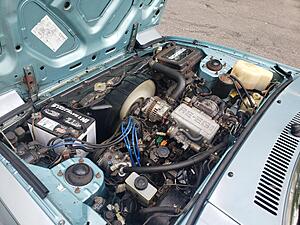
Years ago when I did my front struts and springs, I found that my setup was like the red ones below. I thought it was weird that the left and right didn't mirror each other. I recall the car driving okay and I don't think I had uneven tire wear.
With the new struts and springs, I set mine up per the green "max camber".
Edit: the arrows are the little marks on the tophats.
Not sure what you're saying, The pics I see are set at negative camber. The OPs car is correct with less caster on the left. Toe should be set with the steering wheel locked in the straight ahead position, so that its even side to side for your total toe setting, and a straight steering wheel.
What I'm describing is setting the toe as you describe but the measurement is of toe in slightly from the center spec. It's not always 0 degrees on center, it just depends on the vehicle. The op needs to take the car to a shop so that the alignment can be checked and adjusted on a machine. With the max stock negative camber setting and slight toe in, my 85 tracks perfectly with no pulling or uneven tire wear. I set the alignment myself on a Hunter Hawkeye machine and I am very happy with the results.
My friend, I started my career working in an alignment shop, trained by a very smart guy. All I did for 2 years was alignments and suspension repair. I've used the old analog machines with lights up to the digital laser Hunter machines. You only seem to half get it, which is more than most... My point is that the original poster's car is correct within regards to the caster and camber settings. As I stated before toe out or worn parts are the cause of his excess inner tire wear.
I feel as though you are correct in regards to the car having worn parts. Also stock caster and camber setup as you stated is what appears to be set on this particular car. Which should also be fine. I'm not arguing with you, just stating that my car with the max camber settings and slight tow in does not cause irregular tire wear and stating that the car tracks straight and handles well.
As the other posters pointed out - something is off with your car's front end alignment. It could be worn steering or suspension parts or it could be that a simple alignment will fix it. Take it somewhere to get it checked out if this is not something you want to learn to diagnose.