


freshly ported irons


freshly ported irons
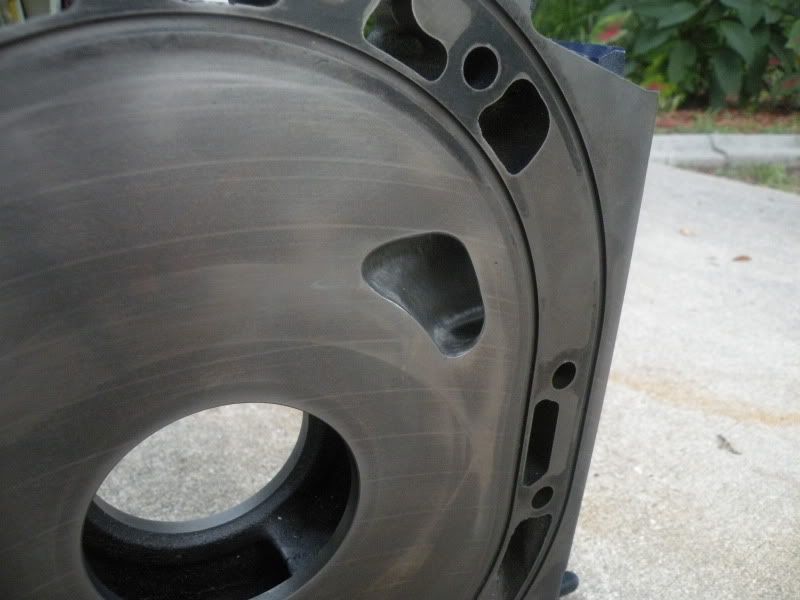
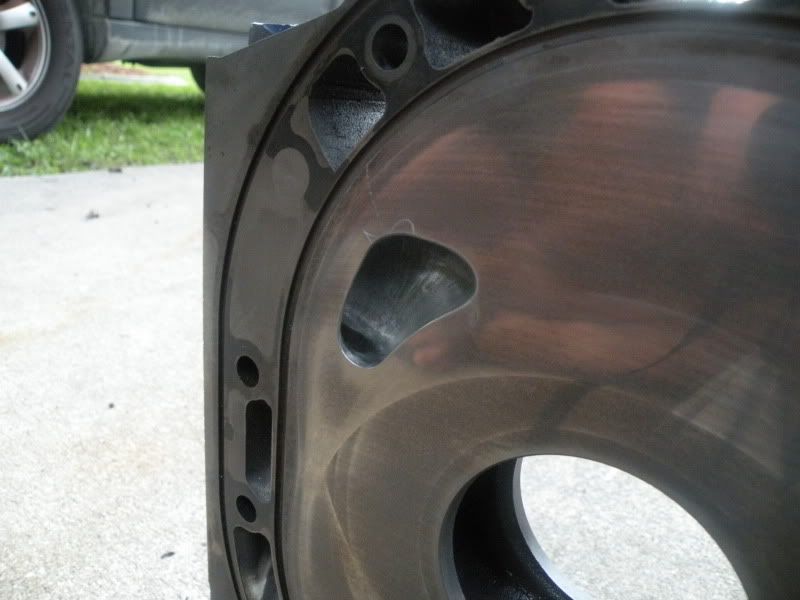
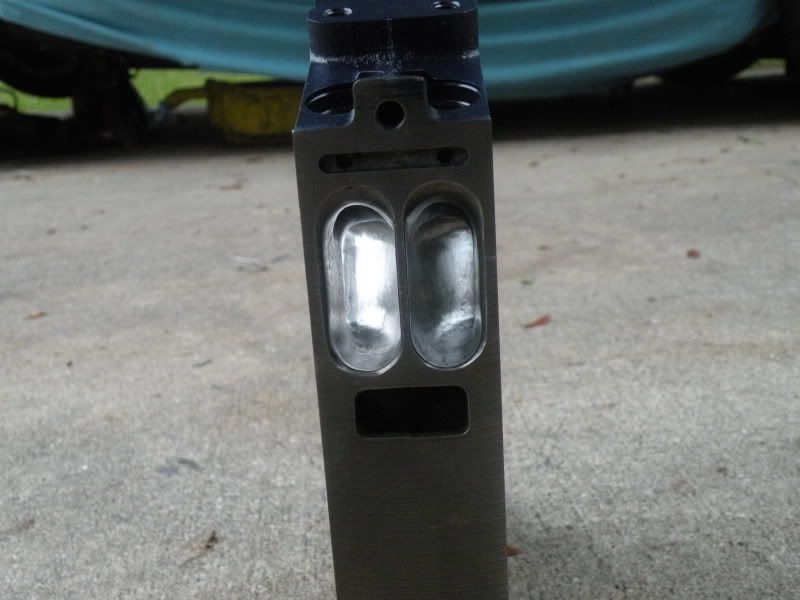
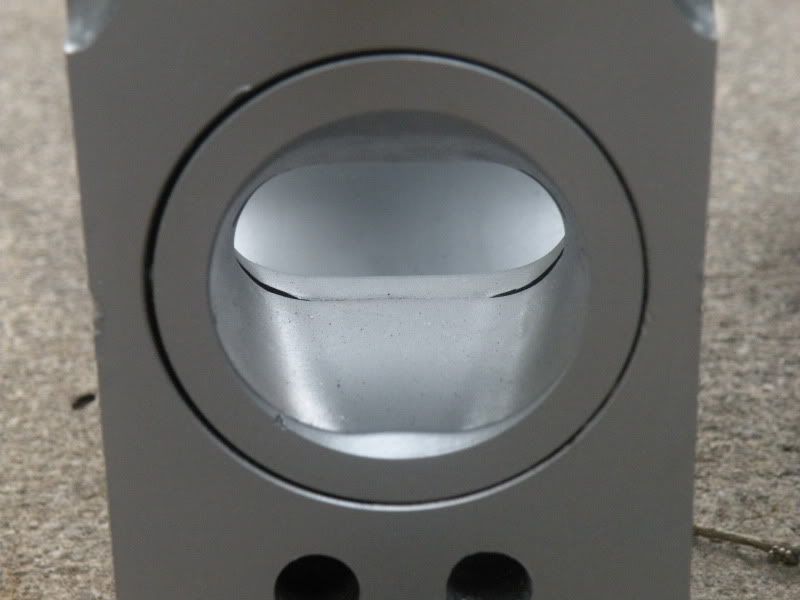
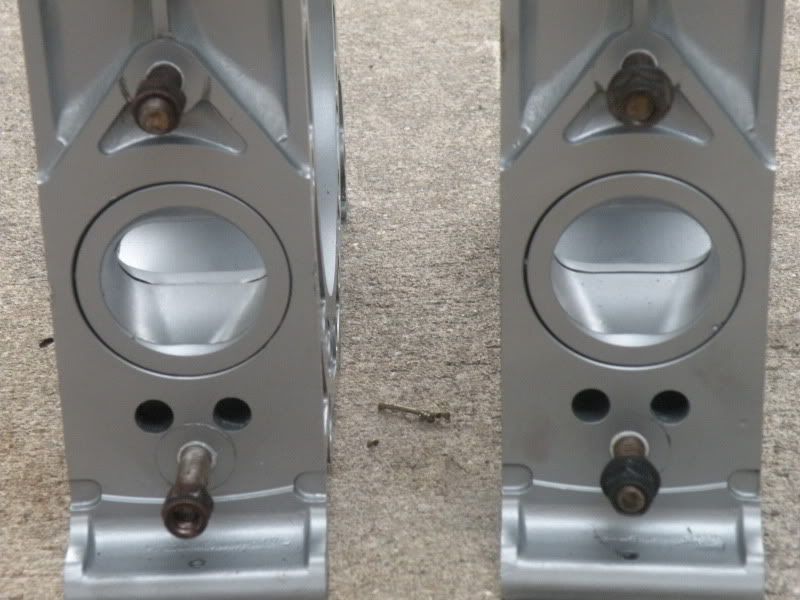
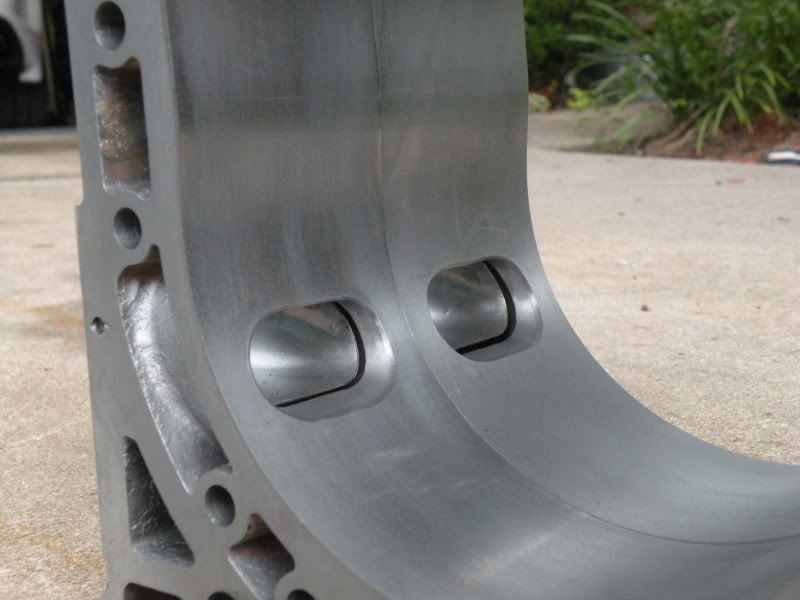
heres my freshly ported irons for my high comp 13b-re build. let me know what you think. also do you think that is enough of a bevel that the trailing side seal isn't going have any binding issues? thanks zack
both secondaries
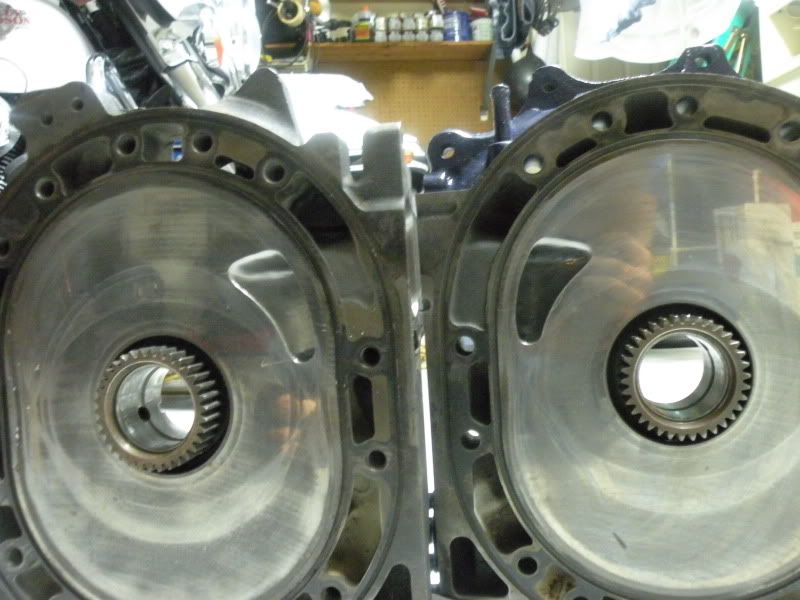
front iron
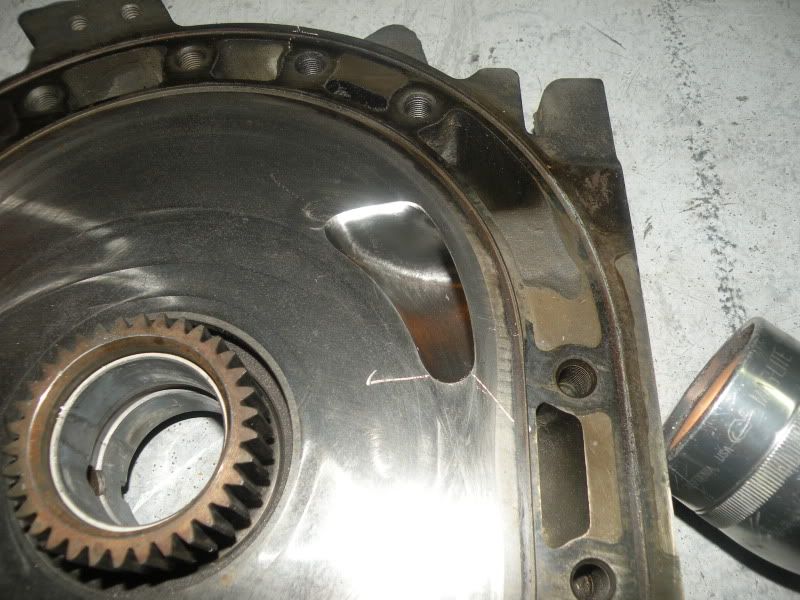
rear iron
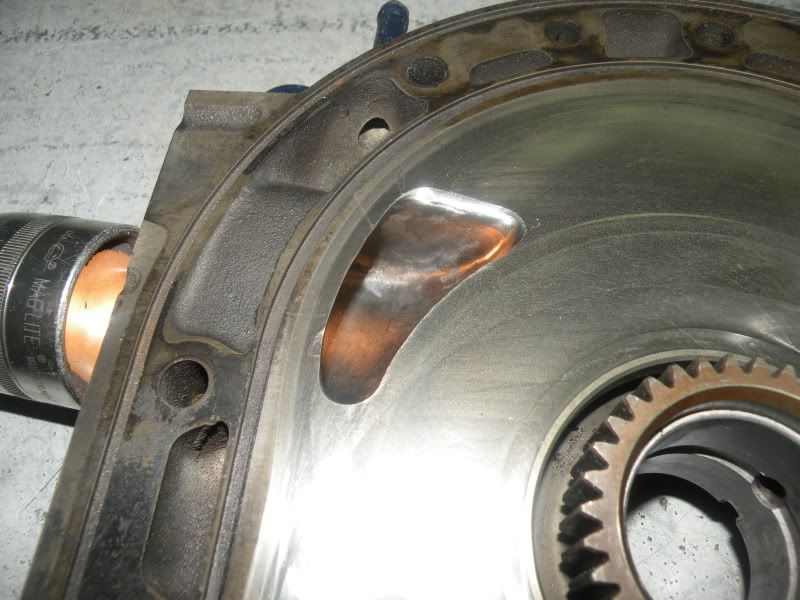
runners
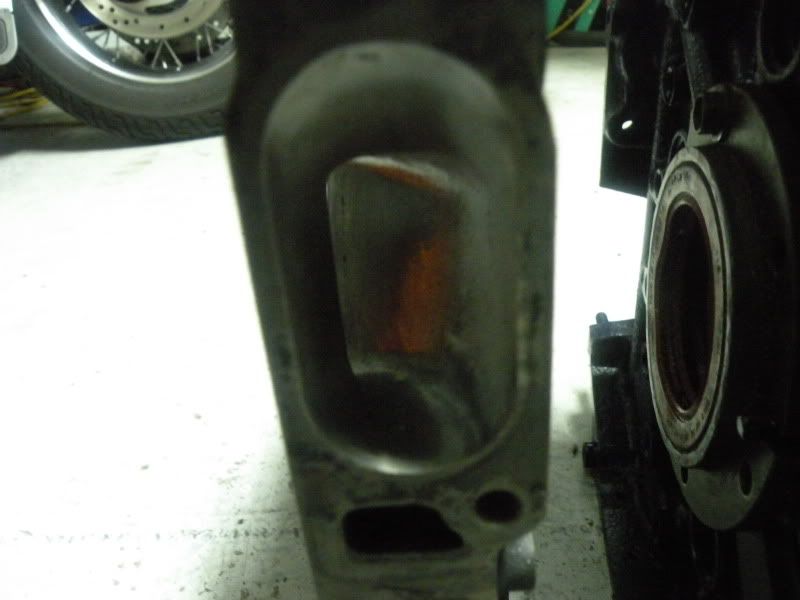
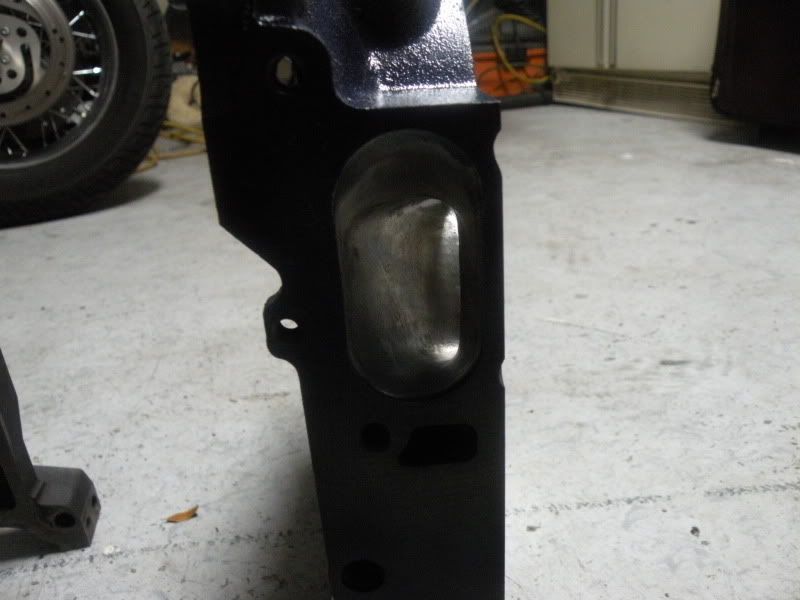
both secondaries
front iron
rear iron
runners

Nice work on those ports. Put the eshaft and rotor (with seals on the rotor)on the front plate while its on the stand. Turn the rotor and check to see how the seals travel over the ports. you will have to run your finger in the port and feel. So you'll get to 3rd base w/ your motor.
Looking good so far. Finish her off right.
Looking good so far. Finish her off right.
I've done that. The leading side seal is still supported and the trailing had a nice ramp back to flat. I'm just nervous cause it's my first time porting the irons. I would like for some of the big dogs to chime in. I'll post more pics of the primary ports and sone of a rotor cutaway when ofer home. I'm super stoned though on how they came out



Joined: Mar 2001
Posts: 30,816
Likes: 656
From: FL-->NJ/NYC again!
They don't look bad for a first time effort 
I'm a bit concerned about those skip marks on around the port, esp on the front iron. Looks fairly deep, at least in the picture you posted.
I'm a bit concerned about those skip marks on around the port, esp on the front iron. Looks fairly deep, at least in the picture you posted.


-J
IF he runs a DA or bar sander w/ 180-220 over them for a few seconds he should be ok. *WARNING* IF you are not careful you can screw up your irons doing this so proceed at your own risk. I however have done it w/ great success. It smooths them w/ out removing much material. I can post pictures of a couple I have done.
Trending Topics




Weird Cat Man

Joined: Aug 2001
Posts: 2,868
Likes: 3
From: A pale blue dot
I think those look good! A few skip marks are part of the learning process 
Just as long as nothing is sticking up you're fine. You can use a razorblade or an old side seal to check for high spots.
Just as long as nothing is sticking up you're fine. You can use a razorblade or an old side seal to check for high spots.


"Elusive, not deceptive!”

Joined: May 2007
Posts: 930
Likes: 13
From: Slidell, LA
rxspeed7
Be careful where the trailing end of the side seal scissors back onto the side plate. Keep the closing side straight right past the scribe mark and stone a nice tapered ramp to lift the end tip back onto the side plate surface. The opening side needs a ramp also just in case the engine is ever turned backwards. (info gleaned from ITO and Lynn Hanover)
Barry
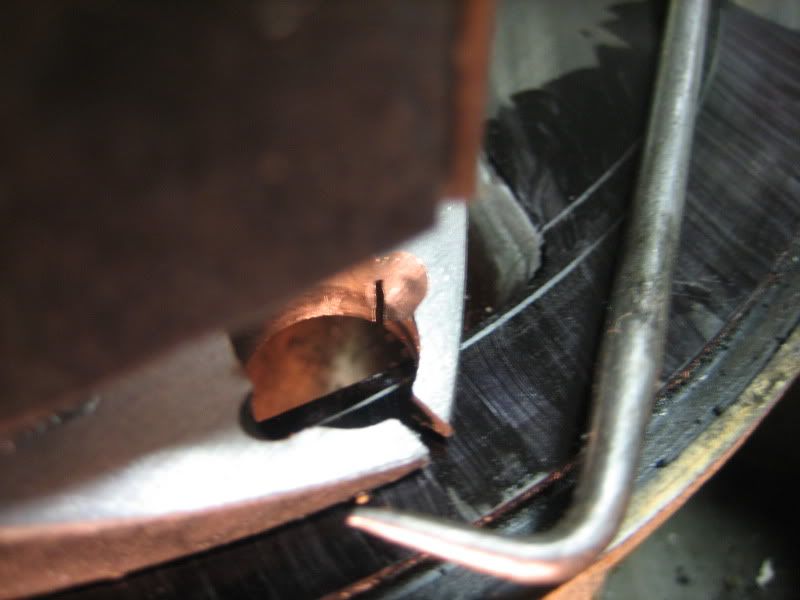
Be careful where the trailing end of the side seal scissors back onto the side plate. Keep the closing side straight right past the scribe mark and stone a nice tapered ramp to lift the end tip back onto the side plate surface. The opening side needs a ramp also just in case the engine is ever turned backwards. (info gleaned from ITO and Lynn Hanover)
Barry

Port work looks good. I like to use tape on the inside of the port when I port just in case cause the marks on the inside of your front plate may burn oil. Just my 2c good luck brother.
Soft  I'm trying 9.7:1 with absolutely tiny ports. Some factual information for you taken from the SAE.
I'm trying 9.7:1 with absolutely tiny ports. Some factual information for you taken from the SAE.- Face to face rotor compression tolerance is +/- 0.3 points for Cast tub rotors
- Face to face rotor compression tolerance is +/-0.07 points for machined tub rotors
- Machined tub rotors have 2mm metal instead of 3mm for cast (lighter)
- Machined tub rotors from turbo cars have the best rotor gears (factory hardened)
- More accurate face to face compression lowers EGT
- Higher compression improves fuel economy
- Porting upwards on TII plates does nothing positive for power below 4500rpm
- Factory engines pump airpump air into exhaust port so that the 16 degrees intake to exhaust port overlap on the secondaries is charged with less internal EGR (idle quality)
Sorry wrong pic...
Also regarding omars comment to make the primaries bigger. Have a think about what is going to happen to flow if the original equipment manifold is designed to have a constant volume as you move away from the port towards the throttle body, but going from the face where the manifold joins the engine, the volume is same/bigger, and then balloons out massive. That is not going to be possitive for flow. My point... work the runners. I would be spending a LOT of time there first and foremost. My current engine I drive was ported by a genuine rotary expert not an internet hero and his ports look nothing like what you see done by the backyarder. The exhaust ports are much rounder NOT square shaped, and are DESIGNED by proper testing to match the intake port he did. I haven't done much research on inlet to exhaust port/valve area yet, but there is an ideal range of ratio. Something in the ballpark of 60-80% I believe.
Also regarding omars comment to make the primaries bigger. Have a think about what is going to happen to flow if the original equipment manifold is designed to have a constant volume as you move away from the port towards the throttle body, but going from the face where the manifold joins the engine, the volume is same/bigger, and then balloons out massive. That is not going to be possitive for flow. My point... work the runners. I would be spending a LOT of time there first and foremost. My current engine I drive was ported by a genuine rotary expert not an internet hero and his ports look nothing like what you see done by the backyarder. The exhaust ports are much rounder NOT square shaped, and are DESIGNED by proper testing to match the intake port he did. I haven't done much research on inlet to exhaust port/valve area yet, but there is an ideal range of ratio. Something in the ballpark of 60-80% I believe.