When you click on links to various merchants on this site and make a purchase, this can result in this site earning a commission. Affiliate programs and affiliations include, but are not limited to, the eBay Partner Network.
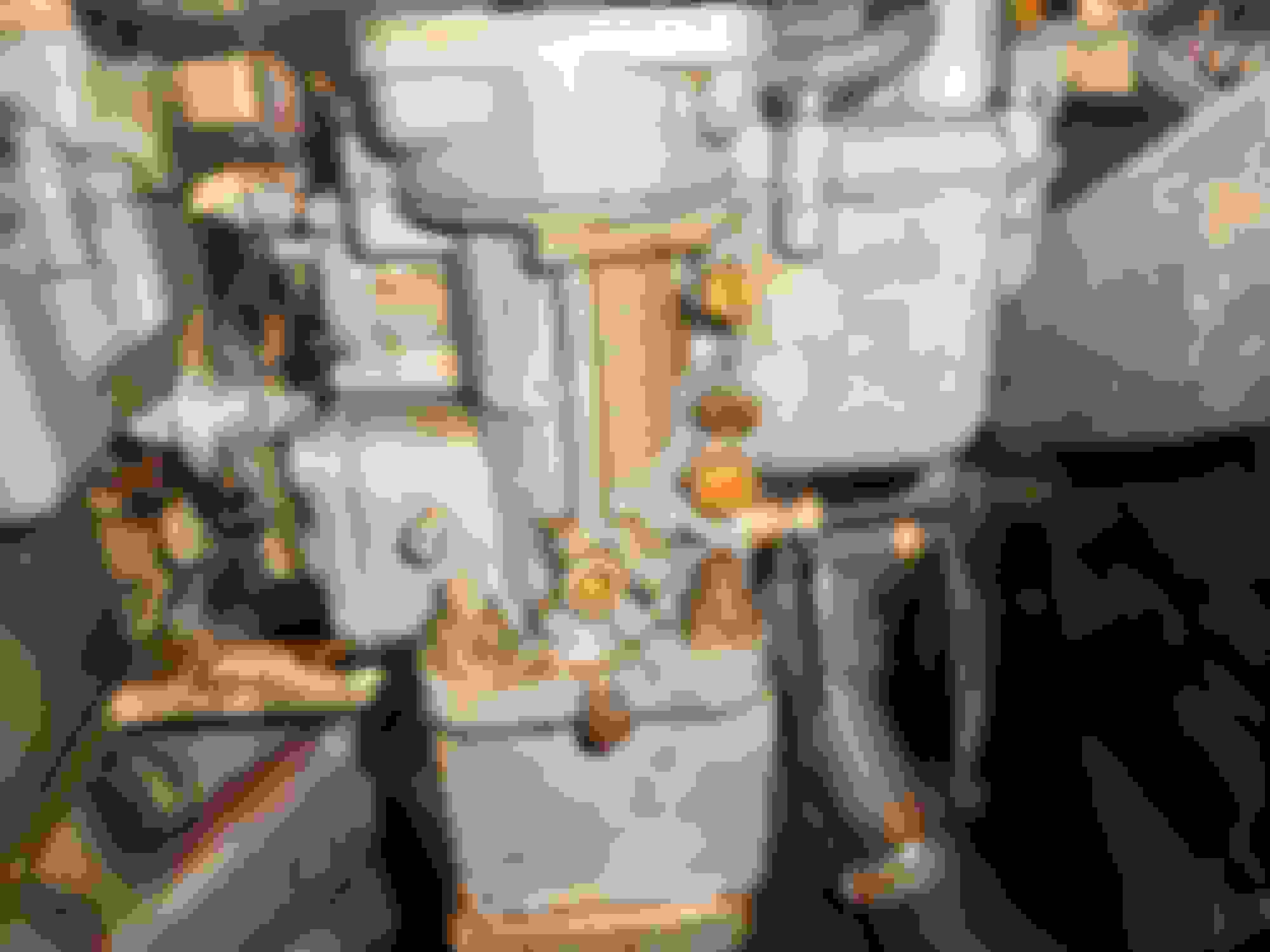
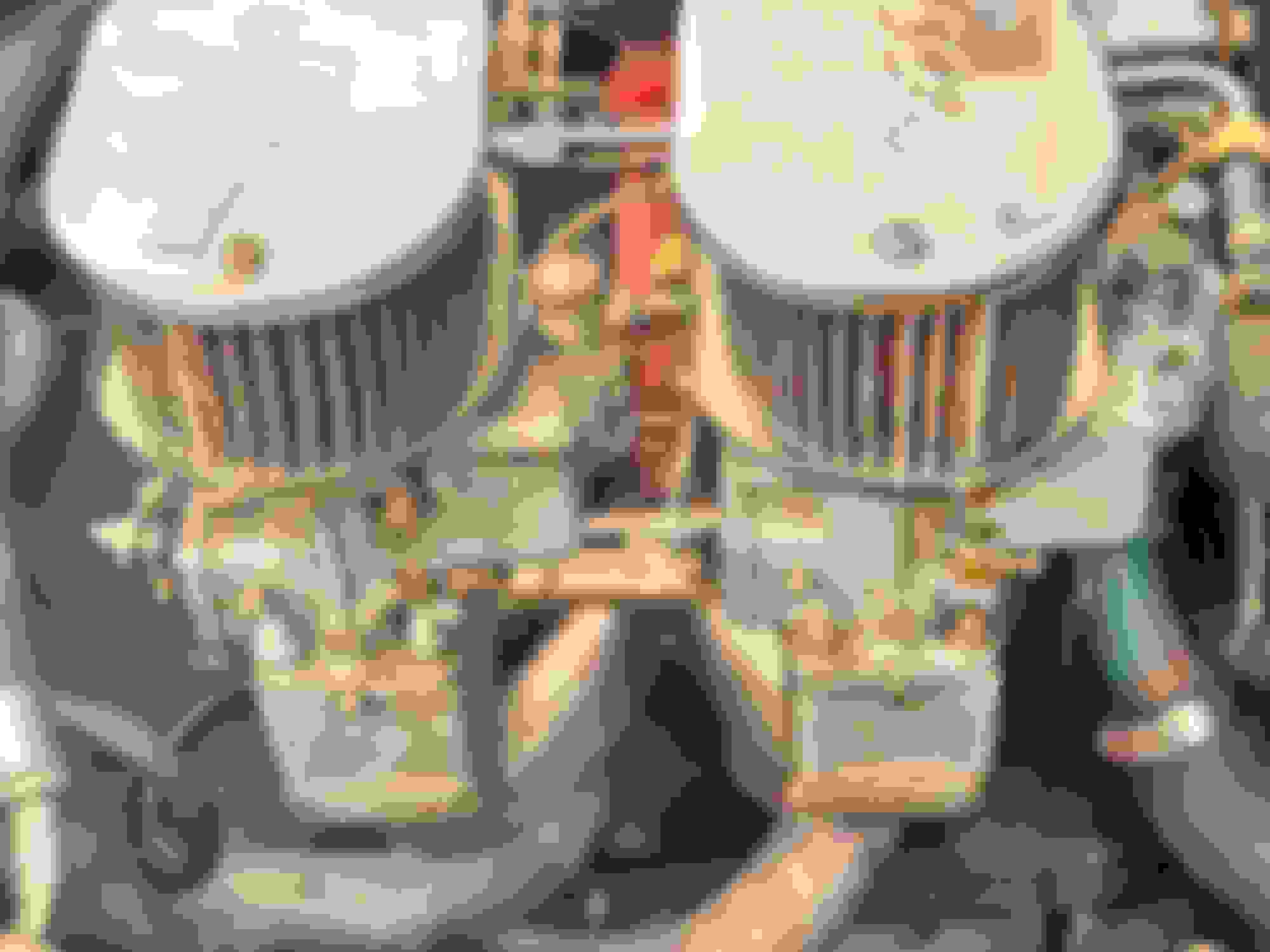
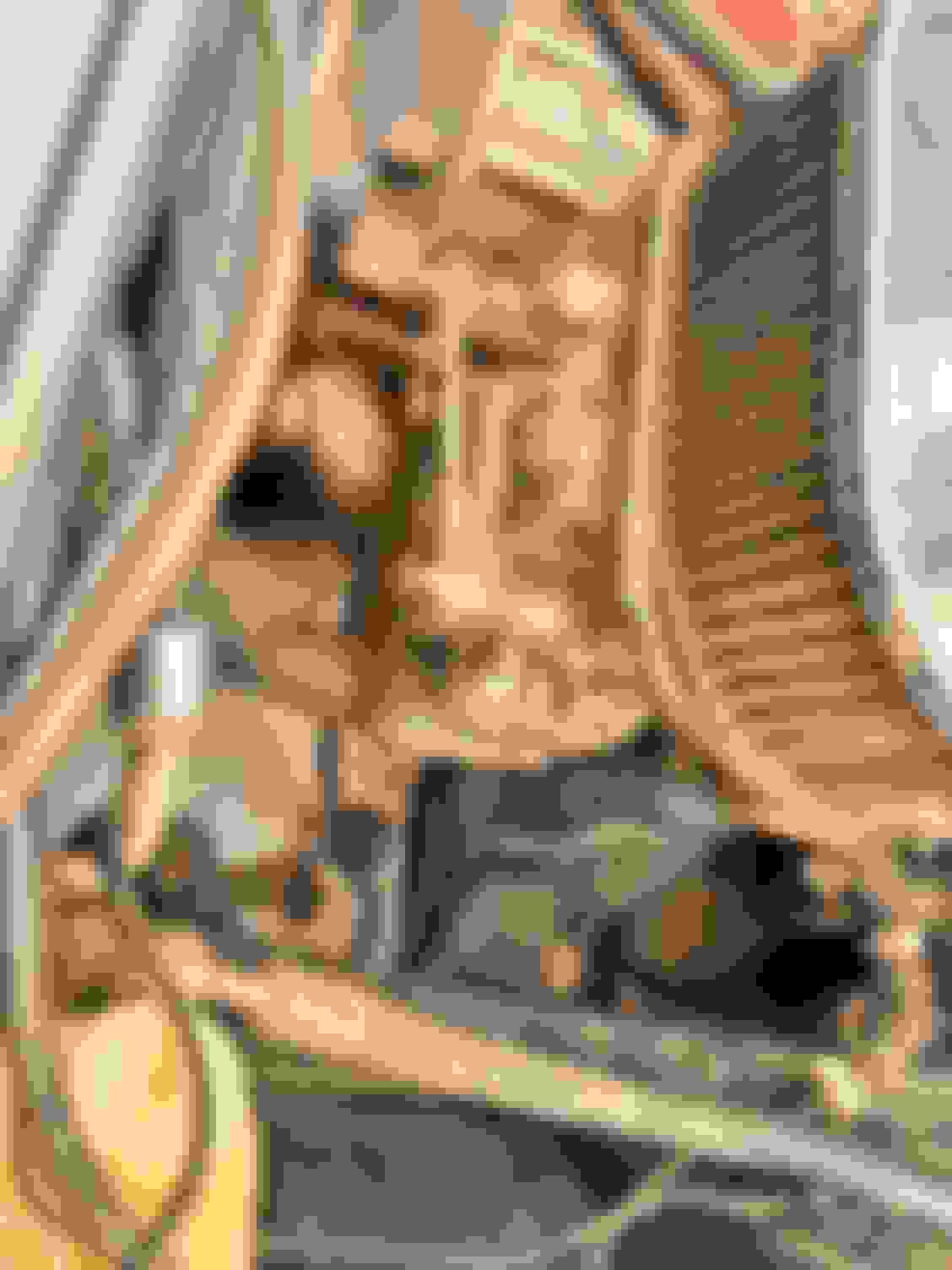
See attached photos.
my fathers 1980 Mazda rx7 has dual 2 barrel Weber Tipo carburetors on it. I just moved it from Wyoming to Florida (where it has been sitting in a garage untouched for years) and to be honest, it’s been since I left for college in 1993 that I have touched a carburetor.
I dumped a thing of sea foam in the tank and filled both carbs with it, let it sit, and with some effort, got it to start, but it is very rough and will not idle. The Seafoam has stopped smoking, so I know that’s out of the carbs but still in the fuel.
I know the gas is very old and I’m sure the jets and float are gummed. I plan to remove as much fuel as possible and get a full tank of new gas put in with some marvel mystery oil in the tank.
Beyond that, I’m at a loss. I can’t find the model of these carbs to order a tune up / rebuild kit (assuming they still make them) and I’m thinking I need to rejet them with low altitude jets? Also, a how to guide on the adjustments for these things would be amazing! I assume there is an air/fuel adjustment or two on them, but I don’t want to just start turning screws. I’m really praying I don’t have to mess with the timing…..
well your hint is that Tipo is the Italian word for type, so the type of carb should be stamped on the pad below
that Rotary engineering dual DCD kit is cool!
well your hint is that Tipo is the Italian word for type, so the type of carb should be stamped on the pad below
that Rotary engineering dual DCD kit is cool!
i'm fairly sure they are 36 DCDs, as said above. it's the old Rotary Engineering setup.
yeah I’ve confirmed that is what they are. Car starts and idles now but back fires and sputters when it runs. I don’t know enough about them to know how to fix them
I had the Rotary Engineering Dual 36 DCDs on my '83 RX7 with a Street Ported 12A. I still have the spec sheet from Joe at RE, see attached if interested. Float height adjustment was important as these had a tendency to flood under braking and when parked nose down a steep hill.
I think they have rebuild kits as well, although you may not need them, your carbs most likely will get by with a good cleaning, float adjustment and a little fine tuning.
Most of the Weber books include the 36 DCD (some available in digital form online),
Last edited by rwatson5651; Oct 8, 2023 at 08:01 AM.
its not really needed, for idle you just set it so it idles the best (highest rpm, highest vacuum)
its pretty simple, although getting two carbs to do the same thing at the same time consistently is the hard part
Wow. That was a lot to take in and some expensive equipment that I don’t have.
im going to start with the vacuum leak test. I have a fog machine. So I’ll use that method.
im not sure about buying a 500$ meter to set the fuel air mixture. May have to find a cheaper route or a friend that has one.
I would just open it up and inspect everything inside for corrosion. If nothing looks FUBAR strip it down and clean the carb body passages, accelerator pump nozzles, float needles or *****, the emulsion tubes, air & fuel jets. Inspect the floats and see if they still float. If any of these parts look unsalvageable add them to your shopping list along with 2 gasket sets and 2 accelerator pump diaphragms if they are not in the gasket sets. Check if any of the rod ends in the linkage are stuck or have play and buy them too if needed. If the engine ran good before and the engine configuration hasn't been changed (I.E. - Porting or exhaust changes) since the car last ran you should be good to go with the same size jets and tubes that were in there. You can balance the carbs with a cheap Uni-Syn tool ~$40: