


Housing scarring and hot spots?


Thread Starter
Full Member
Joined: Mar 2009
Posts: 66
Likes: 0
From: MT
Housing scarring and hot spots?
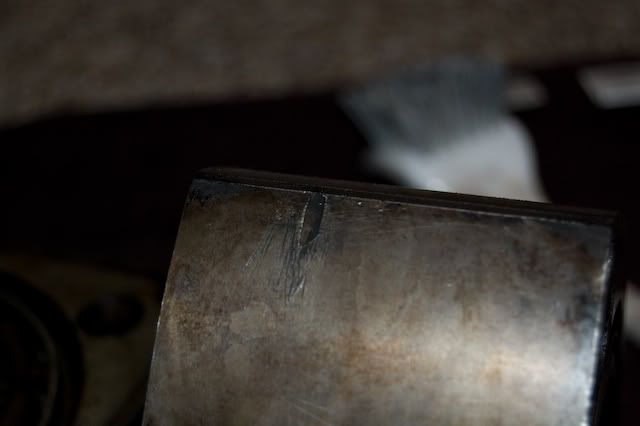
I just tore apart my first rotary and I was told that there was only something wrong with the apex seals and that's why it was running rough. I finally got it tore down and this is what I see:
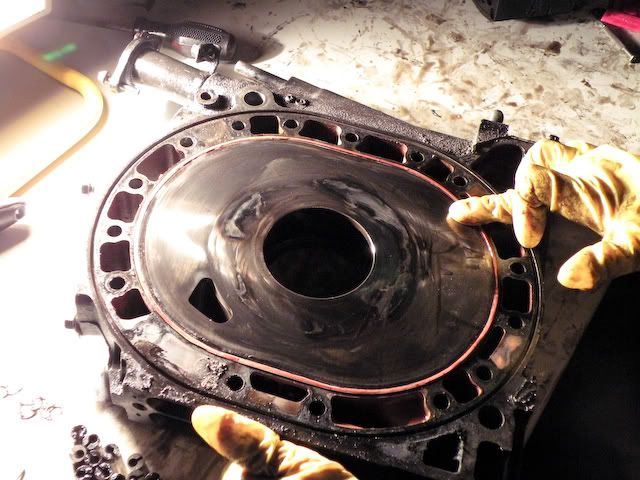
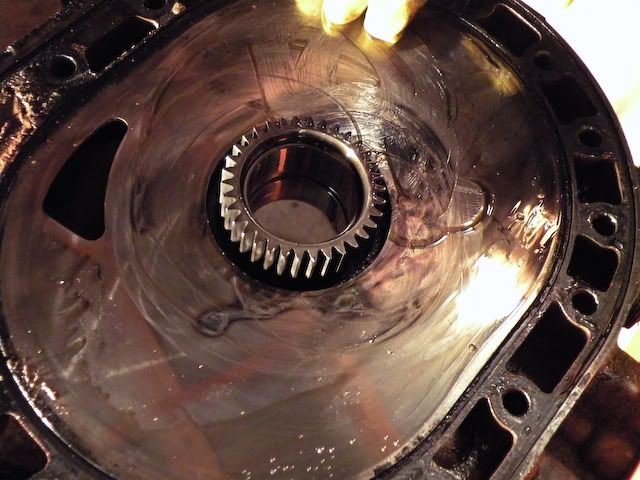
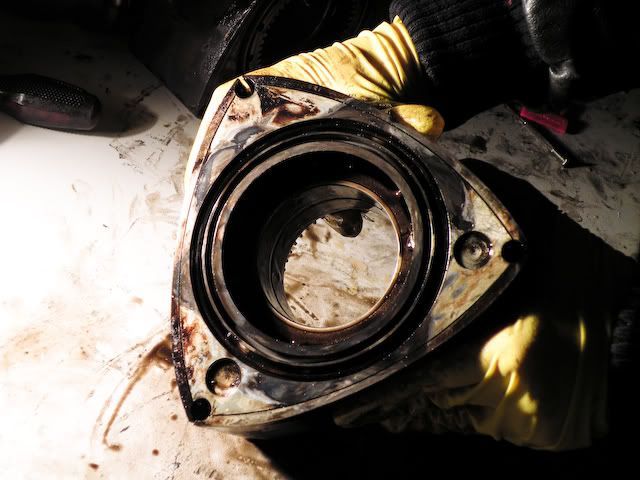
Anyone know the cause of this? Once I took apart the rotors I notice a broken corner seal and NONE of the corner seals had the rubber insert in them. Also, there was a broken side seal but it was still in the grove. Pics:
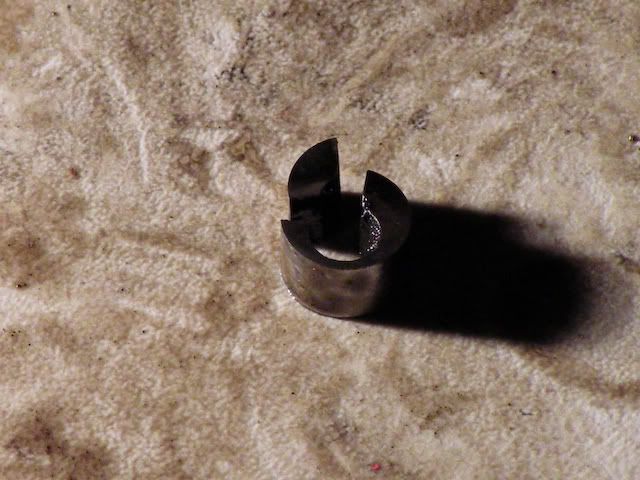

Anyone know the cause of this? Once I took apart the rotors I notice a broken corner seal and NONE of the corner seals had the rubber insert in them. Also, there was a broken side seal but it was still in the grove. Pics:

those hot spots came from the rotor contacting the side plate, notice the same hot spots on the side of the rotor.
Ouch. i've never seen one with this type of damage. im curious if the lack of the rubber inserts and the failed side seal have anything to do with it.
Just to rule it out, you did remove the oil control rings before taking the pic of the rotor right?
Ouch. i've never seen one with this type of damage. im curious if the lack of the rubber inserts and the failed side seal have anything to do with it.
Just to rule it out, you did remove the oil control rings before taking the pic of the rotor right?
"Elusive, not deceptive!”

Joined: May 2007
Posts: 930
Likes: 13
From: Slidell, LA
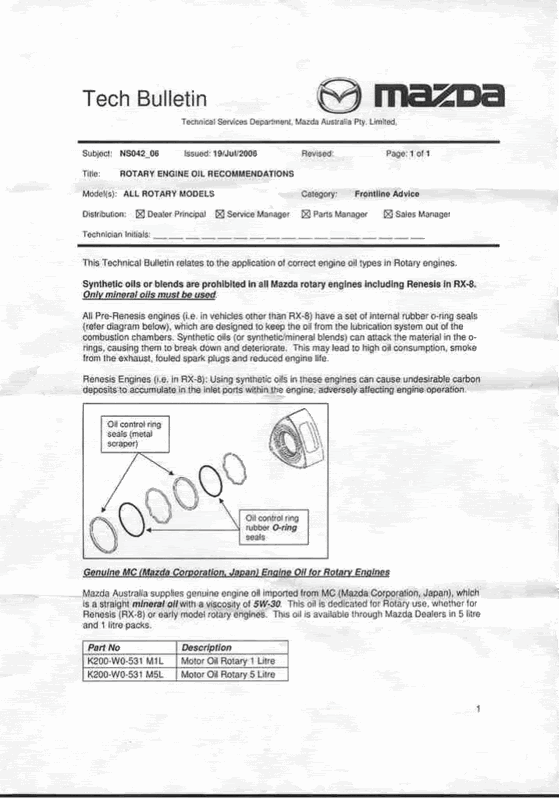
What did the orings on the oil control rings look like? Sometimes using synthetic oil attacks them and the engine starts using lots of oil.
What did the rotor bearings look like? They can allow the rotor to flail the side housings also.
Barry
What did the rotor bearings look like? They can allow the rotor to flail the side housings also.
Barry

+1 on inspecting the bearings. This is a rare failure mode, but it does show up from time to time. An insufficient oil film in the bearings if they were unevenly worn and if the surface was already upset would have resulted in bearing metal to metal contact. That may have been the root cause of the rotor having lost its ability to remain unconstrained along the e-shaft lobe. Thrust would taken care of the rest. The broken corner seal and side seal would have been secondary effects from excessive friction and rapid heat aging. From your pics it looks like this was confined to the front chamber only. Also from your pics, it looks like some nice TII irons were trashed.
Thread Starter
Full Member
Joined: Mar 2009
Posts: 66
Likes: 0
From: MT
So I am guessing those irons are not salvageable? That really sucks if that's the case. I will clean off the rotors and take pictures of the bearings for you guys to see. I did pull the oil control rings but from first glance they looked fine. Thank you for your replies, I will post more asap.
Also, if it is the bearings does that mean the eccentric shaft could be damanged as well?
Also, if it is the bearings does that mean the eccentric shaft could be damanged as well?
Last edited by dsmhero; Mar 8, 2009 at 11:17 AM.
"Elusive, not deceptive!”
Joined: May 2007
Posts: 930
Likes: 13
From: Slidell, LA
So I am guessing those irons are not salvageable? That really sucks if that's the case. I will clean off the rotors and take pictures of the bearings for you guys to see. I did pull the oil control rings but from first glance they looked fine. Thank you for your replies, I will post more asap.
Also, if it is the bearings does that mean the eccentric shaft could be damanged as well?
Also, if it is the bearings does that mean the eccentric shaft could be damanged as well?
Was the engine smoking?
Barry
Thread Starter
Full Member
Joined: Mar 2009
Posts: 66
Likes: 0
From: MT
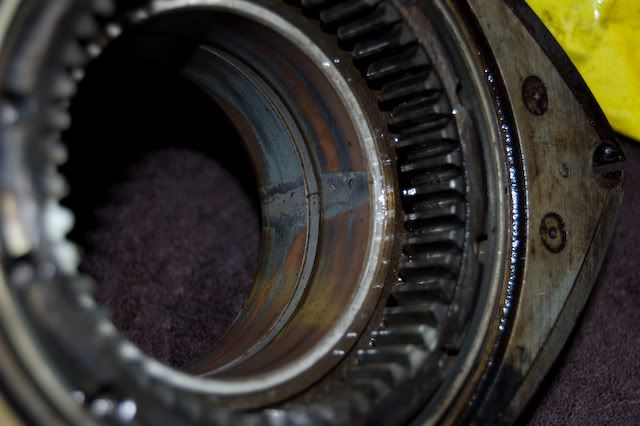
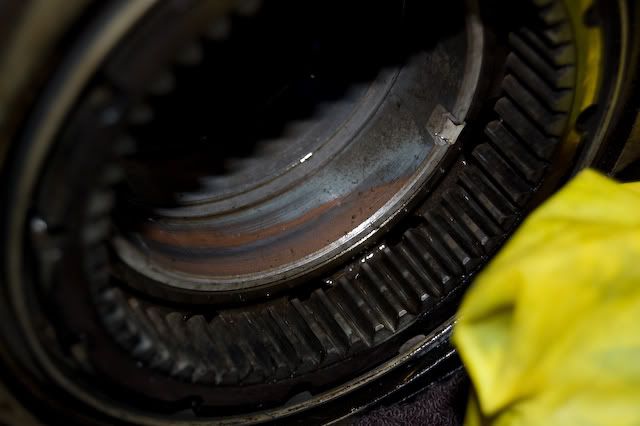
The moment he had it idling it was smoking. The control rings looked good but I will take measurements in a few. Pics of bearings to come...
Trending Topics
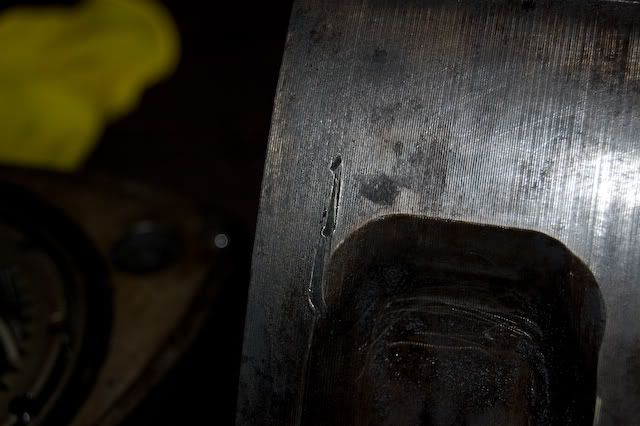
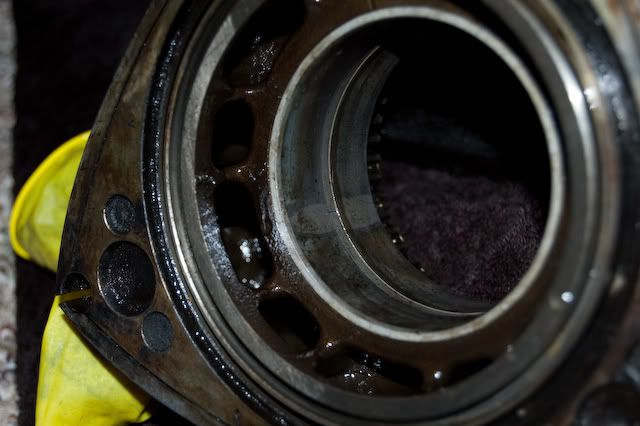
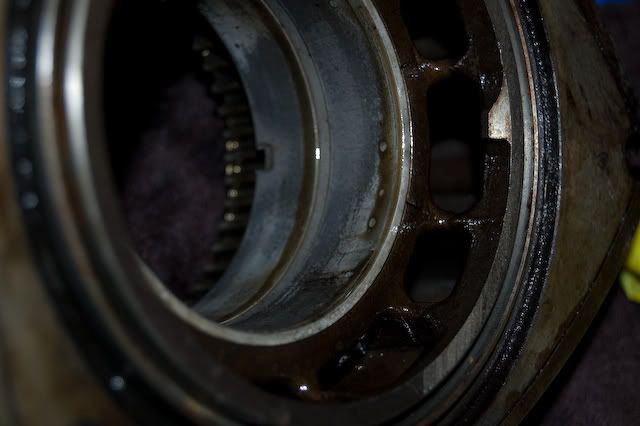
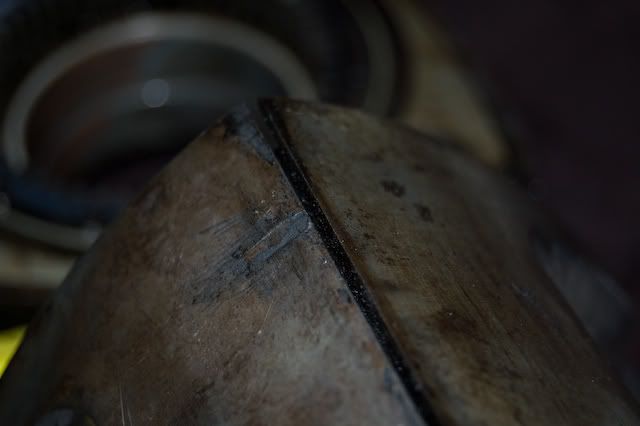
"Elusive, not deceptive!”
Joined: May 2007
Posts: 930
Likes: 13
From: Slidell, LA
You see the rotor floats on pressure trapped between the side seals and oil control seals. Your rotor was banging both side plates possibly from failed orings.
Barry

Banned. I got OWNED!!!
Joined: Apr 2008
Posts: 114
Likes: 0
From: Australia
That engine was run low on oil, simple as that. *whatever was to root cause of that, you need to establish... oil level, pick up, pump, thermal pellet failure etc etc etc*
As a result she basically tried to seize up
Moral, keep your engine filled up with oil.
As a result she basically tried to seize up
Moral, keep your engine filled up with oil.


That first rotor bearing is TOAST. Too much copper showing. Some copper showing is OK, perhaps like the second rotor. Also copper showing on the seam is normal.
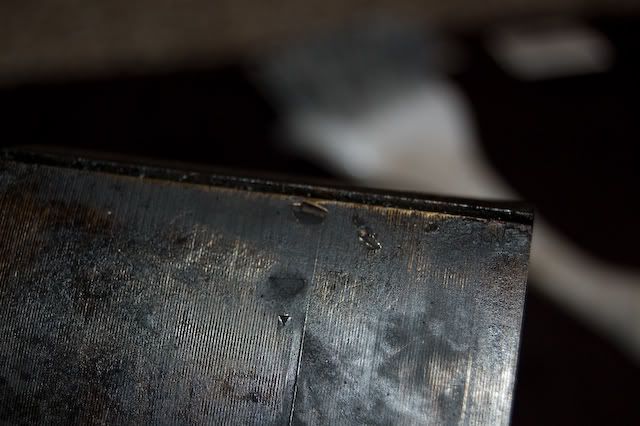
The little scores near the apex seal groove could be a bit dangerous. It depends on if the metal got "pushed" into the groove. Some may say it's trash, but I don't see why. If the groove it self can be carefully filed and remain true, there shouldn't be a problem.
The little scores near the apex seal groove could be a bit dangerous. It depends on if the metal got "pushed" into the groove. Some may say it's trash, but I don't see why. If the groove it self can be carefully filed and remain true, there shouldn't be a problem.
Thread Starter
Full Member
Joined: Mar 2009
Posts: 66
Likes: 0
From: MT
so what exactly am I looking for then? I went and looked at them and they all look fine with the naked eye. None of them are swollen or warped. When I drained the oil there wasn't very much in the pan so I am leaning towards that.
Normally when that happens, the o-ring in the outer control ring tends to burn up and it will actually come out of the metal ring in pieces. The metal rings themselves will be worn as well and it's probably too late since you pulled everything out, but you should have checked to see if the oil control ring springs were installed correctly - they're wound in different directions depending on which face of the rotor they're used on.
If you're saying that very little oil came out of the oil pan and if it's an engine that came out of a vehicle you drove, you know exactly what happened there. If it's an engine you bought from someone or out of a car that you just bought, it could be that someone already drained the oil prior to removal.
If all the apex seals were intact and there is damage like that on the rotor surface, it suggests that the engine was rebuilt. As was mentioned above, there is nothing wrong with reusing rotors with a few marks here and there, so long as proper seal/spring function is not compromised. If it was rebuilt, then the question is whether the bearing clearances were where they should have been. Also mentioned above was the thermal pellet function or blocked passages. If you plan to rebuild this engine, you'll need to do some investigative work before swapping components and clamping it back together.
If you're saying that very little oil came out of the oil pan and if it's an engine that came out of a vehicle you drove, you know exactly what happened there. If it's an engine you bought from someone or out of a car that you just bought, it could be that someone already drained the oil prior to removal.
If all the apex seals were intact and there is damage like that on the rotor surface, it suggests that the engine was rebuilt. As was mentioned above, there is nothing wrong with reusing rotors with a few marks here and there, so long as proper seal/spring function is not compromised. If it was rebuilt, then the question is whether the bearing clearances were where they should have been. Also mentioned above was the thermal pellet function or blocked passages. If you plan to rebuild this engine, you'll need to do some investigative work before swapping components and clamping it back together.

Thread Starter
Full Member
Joined: Mar 2009
Posts: 66
Likes: 0
From: MT
Normally when that happens, the o-ring in the outer control ring tends to burn up and it will actually come out of the metal ring in pieces. The metal rings themselves will be worn as well and it's probably too late since you pulled everything out, but you should have checked to see if the oil control ring springs were installed correctly - they're wound in different directions depending on which face of the rotor they're used on.
If you're saying that very little oil came out of the oil pan and if it's an engine that came out of a vehicle you drove, you know exactly what happened there. If it's an engine you bought from someone or out of a car that you just bought, it could be that someone already drained the oil prior to removal.
If all the apex seals were intact and there is damage like that on the rotor surface, it suggests that the engine was rebuilt. As was mentioned above, there is nothing wrong with reusing rotors with a few marks here and there, so long as proper seal/spring function is not compromised. If it was rebuilt, then the question is whether the bearing clearances were where they should have been. Also mentioned above was the thermal pellet function or blocked passages. If you plan to rebuild this engine, you'll need to do some investigative work before swapping components and clamping it back together.
If you're saying that very little oil came out of the oil pan and if it's an engine that came out of a vehicle you drove, you know exactly what happened there. If it's an engine you bought from someone or out of a car that you just bought, it could be that someone already drained the oil prior to removal.
If all the apex seals were intact and there is damage like that on the rotor surface, it suggests that the engine was rebuilt. As was mentioned above, there is nothing wrong with reusing rotors with a few marks here and there, so long as proper seal/spring function is not compromised. If it was rebuilt, then the question is whether the bearing clearances were where they should have been. Also mentioned above was the thermal pellet function or blocked passages. If you plan to rebuild this engine, you'll need to do some investigative work before swapping components and clamping it back together.
"Elusive, not deceptive!”
Joined: May 2007
Posts: 930
Likes: 13
From: Slidell, LA
I didn't have a choice about the oil seals, because they just fell out once I pulled the rotor, spring and all. Thank you for your comment, this helps out tremendously. I will be looking at the oil seals today after work. What other passages should I be looking at to see if they are blocked?
Anyway, synthetic oil attacks these orings and can cause the problem. Do you know if any synthetic oil had been used in this engine?
Barry
Thread Starter
Full Member
Joined: Mar 2009
Posts: 66
Likes: 0
From: MT
Thread Starter
Full Member
Joined: Mar 2009
Posts: 66
Likes: 0
From: MT
Well all the o ring inserts were intact but when I measured the oil control rings they were measuring out twice as big as normal. All of them were anywhere between .035 - .04 inch Does this make sense to anyone?


the oil seals cant fall out under normal circumstances. The o-ring creates a tight friction fit and seal. If your o-rings are bad there will be a poor fit and a poor seal.
Barry I dont see how a synthetic oil could cause the o-rings to fail, it has to meet the same standards as a conventional oil. Can you point me to real evidence of this?
Barry I dont see how a synthetic oil could cause the o-rings to fail, it has to meet the same standards as a conventional oil. Can you point me to real evidence of this?
Want to add that im not looking for an oil debate, Im putting a new motor together and I lubed my oil o-rings with synthetic because that was what was open on the shelf. I didnt think anything of it and this is the first ive ever heard of synthetics being a problem with the o-rings.



E shaft is junk, rotor bearings are junk, rotors could be saved but only if you want a very low end engine, irons are junk, oil control rings should be thrown out. That is about the worst possible failure you could have. Hopefully you have some salvageable housings.

"Elusive, not deceptive!”
Joined: May 2007
Posts: 930
Likes: 13
From: Slidell, LA
dsmhero,
"Well all the o ring inserts were intact but when I measured the oil control rings they were measuring out twice as big as normal. All of them were anywhere between .035 - .04 inch Does this make sense to anyone? "
The oil control rings were rubbing against the overheated/blued surface of the side housing they would have to were out!
fd_neal,
If you use viton orings on the oil control rings I think synthetic oil would be OK.
Barry
"Well all the o ring inserts were intact but when I measured the oil control rings they were measuring out twice as big as normal. All of them were anywhere between .035 - .04 inch Does this make sense to anyone? "
The oil control rings were rubbing against the overheated/blued surface of the side housing they would have to were out!
fd_neal,
If you use viton orings on the oil control rings I think synthetic oil would be OK.
Barry
Thread Starter
Full Member
Joined: Mar 2009
Posts: 66
Likes: 0
From: MT
dsmhero,
"Well all the o ring inserts were intact but when I measured the oil control rings they were measuring out twice as big as normal. All of them were anywhere between .035 - .04 inch Does this make sense to anyone? "
The oil control rings were rubbing against the overheated/blued surface of the side housing they would have to were out!
fd_neal,
If you use viton orings on the oil control rings I think synthetic oil would be OK.
Barry
"Well all the o ring inserts were intact but when I measured the oil control rings they were measuring out twice as big as normal. All of them were anywhere between .035 - .04 inch Does this make sense to anyone? "
The oil control rings were rubbing against the overheated/blued surface of the side housing they would have to were out!
fd_neal,
If you use viton orings on the oil control rings I think synthetic oil would be OK.
Barry