


read please

Thread Starter
Full Member
Joined: Jan 2009
Posts: 219
Likes: 0
From: riverside ca
 read please
 check this out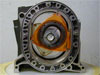
"Elusive, not deceptive!”

Joined: May 2007
Posts: 930
Likes: 13
From: Slidell, LA
Everything sounded great except the following quote on page 9:
"For evaluation at target torque it was observed that
ethanol exhibited a higher tendency for pre-ignition than
gasoline. To address this for evaluation at higher load
some detailing of the combustion chamber was
undertaken. Whilst ethanol exhibits a nominally higher
auto-ignition temperature than gasoline, it is suggested
that differences in fuel preparation and flammability in
conjunction with chamber surface temperatures
contribute to this phenomenon."
Barry
"For evaluation at target torque it was observed that
ethanol exhibited a higher tendency for pre-ignition than
gasoline. To address this for evaluation at higher load
some detailing of the combustion chamber was
undertaken. Whilst ethanol exhibits a nominally higher
auto-ignition temperature than gasoline, it is suggested
that differences in fuel preparation and flammability in
conjunction with chamber surface temperatures
contribute to this phenomenon."
Barry



Joined: Oct 2001
Posts: 6,279
Likes: 724
From: Florence, Alabama
"ethanol exhibits a nominally higher
auto-ignition temperature than gasoline"
i hear this comment from time to time and do not currently understand how it squares w commonly published autoignition temps commonly published.
for instance:
auto ignition temp:
gasoline... 495 F
ethanol... 793
methanol... 867
source... American Petroleum Institute "Alcohols: A technical Assessmant of their Application as Motor Fuels." API Publication No 4261, July 1976
hc
auto-ignition temperature than gasoline"
i hear this comment from time to time and do not currently understand how it squares w commonly published autoignition temps commonly published.
for instance:
auto ignition temp:
gasoline... 495 F
ethanol... 793
methanol... 867
source... American Petroleum Institute "Alcohols: A technical Assessmant of their Application as Motor Fuels." API Publication No 4261, July 1976
hc
"Elusive, not deceptive!”
Joined: May 2007
Posts: 930
Likes: 13
From: Slidell, LA
Howard, reread the quote, they agreed with your, ""ethanol exhibits a nominally higher
auto-ignition temperature than gasoline".
The problem statement is ""For evaluation at target torque it was observed that
ethanol exhibited a higher tendency for pre-ignition than
gasoline.
Barry
auto-ignition temperature than gasoline".
The problem statement is ""For evaluation at target torque it was observed that
ethanol exhibited a higher tendency for pre-ignition than
gasoline.
Barry
Joined: Oct 2001
Posts: 6,279
Likes: 724
From: Florence, Alabama
nominally can mean two things.... literally "in name" o k it is different. so that works.
to me generally nominally means slightly different... which is not 60%.
that said, my interest here is understanding how one substance can have a 60% higher autoignition temperature and a higher tendency to pre-ignite.
not saying it does or doesn't.... i just want to understand.
hc
to me generally nominally means slightly different... which is not 60%.
that said, my interest here is understanding how one substance can have a 60% higher autoignition temperature and a higher tendency to pre-ignite.
not saying it does or doesn't.... i just want to understand.
hc


Joined: Mar 2001
Posts: 31,796
Likes: 3,210
From: https://www2.mazda.com/en/100th/
that is interesting. there must be another factor at play besides temprature, pressure perhaps? i don't know either, but its not the first time ive read that.
"Elusive, not deceptive!”
Joined: May 2007
Posts: 930
Likes: 13
From: Slidell, LA
The second part of the quote is disturbing also:
"For evaluation at target torque it was observed that
ethanol exhibited a higher tendency for pre-ignition than
gasoline. To address this for evaluation at higher load
some detailing of the combustion chamber was
undertaken. Whilst ethanol exhibits a nominally higher
auto-ignition temperature than gasoline, it is suggested
that differences in fuel preparation and flammability in
conjunction with chamber surface temperatures
contribute to this phenomenon."
Barry
"For evaluation at target torque it was observed that
ethanol exhibited a higher tendency for pre-ignition than
gasoline. To address this for evaluation at higher load
some detailing of the combustion chamber was
undertaken. Whilst ethanol exhibits a nominally higher
auto-ignition temperature than gasoline, it is suggested
that differences in fuel preparation and flammability in
conjunction with chamber surface temperatures
contribute to this phenomenon."
Barry
Trending Topics


I think the main point that stuck out for me is they have far greater atomization than we ever will with the air assisted direct injection method they used in the study. the fuel pressure was almost 120 psi, and was being assisted by air at around 100 psi. The compression ratio of this engine was fairly high for a turbo setup in rotary terms also at 10.4:1

Thread
Thread Starter
Forum
Replies
Last Post
eplusz
General Rotary Tech Support
15
Oct 7, 2015 04:04 PM
befarrer
Adaptronic Engine Mgmt - AUS
3
Sep 22, 2015 09:33 AM