When you click on links to various merchants on this site and make a purchase, this can result in this site earning a commission. Affiliate programs and affiliations include, but are not limited to, the eBay Partner Network.
LF advice on car purchase and fixing up to get a sitting Rx-7 running
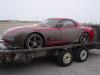
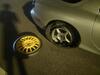
Back in 2001 the owner before did a whole rebuild on the rx-7, before eventually selling it to the current owner. Since then only ~10k miles have been put on (from 87k miles) and the car has not ran roughly for 6-12 years (Owner service logs only go up to 2012 from what I was sent) and I'm really interested in buying it from the owner as is. The reason for it not running is because they got into an accident ending up with the front fender rubbing against the tire so they have not been able to drive it (everything else looks amazing). Until that happened, the car was being serviced yearly and running fine. Ever since, the car has been garaged.
Since the car has not ran for a long time, I was worried about what could have potentially degraded in that time and what I may need to fix/repair. From what I can guess, the rats nest will still be a problem since the pettit racing turbo kit is just an upgraded oem turbo. Would a full rebuild of the rats nest be necessary or would I be able to just get it running as is. While I plan to flush out the coolant, oil, old fuel, and potentially bleed the brakes, I am a little worried that the old liquids could cause corrosion or some sort of damage to the engine or fuel tanks? And then if I am able to get the car running, I was most likely going to use 10w30 motor oil but in the service logs they do seem to use 20w50 motor oil. I was thinking that 10w30 is fine but not too sure on it. I think that once I get the turbo system and liquids all freshened up the car should run great since it has an aluminum radiator and cold air kit on it.
I included the original logs for when the engine bay was rebuilt. Any advice or inputs is really appreciated!
Fluids and health check first before even thinking about the rats nest. That still may be in decent shape but you should confirm the overall condition and health of your keg and the rest of the supporting systems.
- Pull the fuel pump and inspect the fuel tank for corrosion. Depending on how much fuel is in there you may have to drain and fill with fresh fuel, may want to anyway with the age.
- Before you put any more money into things, make sure it runs like this with fresh clean fuel and oil, then move on to the next steps. Its not a bad idea to pull the plugs and put just a little bit of 2 stroke in each rotor and turn it over without trying to start it first to get some lube in the combustion chamber.
- Once you figure out if it runs, Coolant is the next major thing. Drain that and check the condition and look for any signs of rust etc. Coolant is a silent killer with these because when it stops protecting against rust, you will start eating away at your irons and eventually start ingesting coolant like a head gasket triggering an expensive rebuild because you will have to buy new irons.
- Then do the rest of the fluids once you are confident that it is running properly (transmission, Diff, brake fluid etc.)
- Then if the turbos are not operating properly, you can go down the route of figuring out if its a rats nest issue.
Some are crazy cheap - like, no surprise, the reman 13B for $2k. And turbo gaskets that cost less than a mortgage payment. But others are quite a bit. Not much different than today. Even moreso when you consider what income was 25 years ago.
Sinking $11K into a 90k-mile car in 2001 was crazy money. That's an inflation-adjusted $20K today. And I bet you could probably get similar scope done today for not a whole lot more money; mostly dependent on what scope the engine rebuild required.
Fluids and health check first before even thinking about the rats nest. That still may be in decent shape but you should confirm the overall condition and health of your keg and the rest of the supporting systems.
- Pull the fuel pump and inspect the fuel tank for corrosion. Depending on how much fuel is in there you may have to drain and fill with fresh fuel, may want to anyway with the age.
- Before you put any more money into things, make sure it runs like this with fresh clean fuel and oil, then move on to the next steps. Its not a bad idea to pull the plugs and put just a little bit of 2 stroke in each rotor and turn it over without trying to start it first to get some lube in the combustion chamber.
- Once you figure out if it runs, Coolant is the next major thing. Drain that and check the condition and look for any signs of rust etc. Coolant is a silent killer with these because when it stops protecting against rust, you will start eating away at your irons and eventually start ingesting coolant like a head gasket triggering an expensive rebuild because you will have to buy new irons.
- Then do the rest of the fluids once you are confident that it is running properly (transmission, Diff, brake fluid etc.)
- Then if the turbos are not operating properly, you can go down the route of figuring out if its a rats nest issue.
Thanks for the advice! After chatting some more with the owner I found that it's been sitting for roughly 12 years so I definitely have a long road of work ahead. My biggest concern is for rust, how would I check if the coolant has caused rust or what are some common points to check? Honestly since its been sitting for so long I feel like there's a high chance for rust to be there and I'm not too sure how to address it. Lastly, will the engine be okay if I start it up with just the fuel, oil, and spark plugs refreshed? I plan to just let it warm up before turning it back off or would that be bad? Should I give it a little drive around before shutting it off?
Thanks for the advice! After chatting some more with the owner I found that it's been sitting for roughly 12 years so I definitely have a long road of work ahead. My biggest concern is for rust, how would I check if the coolant has caused rust or what are some common points to check? Honestly since its been sitting for so long I feel like there's a high chance for rust to be there and I'm not too sure how to address it. Lastly, will the engine be okay if I start it up with just the fuel, oil, and spark plugs refreshed? I plan to just let it warm up before turning it back off or would that be bad? Should I give it a little drive around before shutting it off?
You can start it with those. Like I said, I would recommend dropping in just a little bit of 2 stroke when you do the plugs and turn the engine over by hand or with the fuel pump fuel removed just to lubricate the chamber and seals. Not a ton, and you should turn it over with the plugs out so the excess oil will be blown out of the plug holes if you add too much so you don't coat your new plugs with oil. I would still pull the pump and inspect the tank before you try starting it, it takes less than 5 minutes to pull. This will give you an idea of how much work you will need to do to the fuel system and be sure you aren't just going to plug the sock with debris right away if there is a lot of rust in the tank.
Your best bet to check for rust in the cooling system is to drain everything, block and all. Its not hard to do, the radiator drain and block drain are both easy to get to, I'll attach a video below. You can do a flush but typically you will see signs just when you drain the block because that is where the rust will be if its there. You can do this after you get it running. The circulation will stir up some rust too if it is there. Test the coolant when it comes out to see if it had any anti corrosion properties left. You can get the test strips at the parts store or even use a multimeter as a ballpark. This would be my largest concern as well because it is the most costly repair in your situation if you need to rebuild your engine due to rusted irons. You can let it warm up and take it for a short spin if you want to test the function of everything else but I wouldn't go far at all. The only concern is if you do have rust and the thermostat opens, then you can contaminate the radiator with a bunch of rust, but if you also have the original radiator, I would plan on replacing that as well since the plastic tanks are 30 years old. I just replaced mine for just that reason, that was always in the back of my head while driving before I replaced mine. If you don't really find rust, hopefully you got lucky. I would then flush the system to make sure all the old coolant is out. Replace with the standard green or convert to Evans waterless and you don't have to worry about rusting your irons ever again.
I got lucky with my car, according to the Carvx, it sat for around 10 years so I'm assuming it didn't have coolant replaced in that time. (knock on wood) I did see any signs of rust and its been solid for the past 4 years.
You can start it with those. Like I said, I would recommend dropping in just a little bit of 2 stroke when you do the plugs and turn the engine over by hand or with the fuel pump fuel removed just to lubricate the chamber and seals. Not a ton, and you should turn it over with the plugs out so the excess oil will be blown out of the plug holes if you add too much so you don't coat your new plugs with oil. I would still pull the pump and inspect the tank before you try starting it, it takes less than 5 minutes to pull. This will give you an idea of how much work you will need to do to the fuel system and be sure you aren't just going to plug the sock with debris right away if there is a lot of rust in the tank.
Your best bet to check for rust in the cooling system is to drain everything, block and all. Its not hard to do, the radiator drain and block drain are both easy to get to, I'll attach a video below. You can do a flush but typically you will see signs just when you drain the block because that is where the rust will be if its there. You can do this after you get it running. The circulation will stir up some rust too if it is there. Test the coolant when it comes out to see if it had any anti corrosion properties left. You can get the test strips at the parts store or even use a multimeter as a ballpark. This would be my largest concern as well because it is the most costly repair in your situation if you need to rebuild your engine due to rusted irons. You can let it warm up and take it for a short spin if you want to test the function of everything else but I wouldn't go far at all. The only concern is if you do have rust and the thermostat opens, then you can contaminate the radiator with a bunch of rust, but if you also have the original radiator, I would plan on replacing that as well since the plastic tanks are 30 years old. I just replaced mine for just that reason, that was always in the back of my head while driving before I replaced mine. If you don't really find rust, hopefully you got lucky. I would then flush the system to make sure all the old coolant is out. Replace with the standard green or convert to Evans waterless and you don't have to worry about rusting your irons ever again.
I got lucky with my car, according to the Carvx, it sat for around 10 years so I'm assuming it didn't have coolant replaced in that time. (knock on wood) I did see any signs of rust and its been solid for the past 4 years.
DO THIS! Electrolysis and coolant passage corrosion in our cars is a big issue. It's the most common problem I run into when tearing down old engines that havnt ran. Usually you can get an idea of how bad an engine is gonna be eaten away at the coolant passages by just taking off radiator hoses and looking at the cast aluminum thermostat housing (if it hasnt been replaced before). If its pretty eaten away you get an idea of what that old coolant has been doing.