When you click on links to various merchants on this site and make a purchase, this can result in this site earning a commission. Affiliate programs and affiliations include, but are not limited to, the eBay Partner Network.
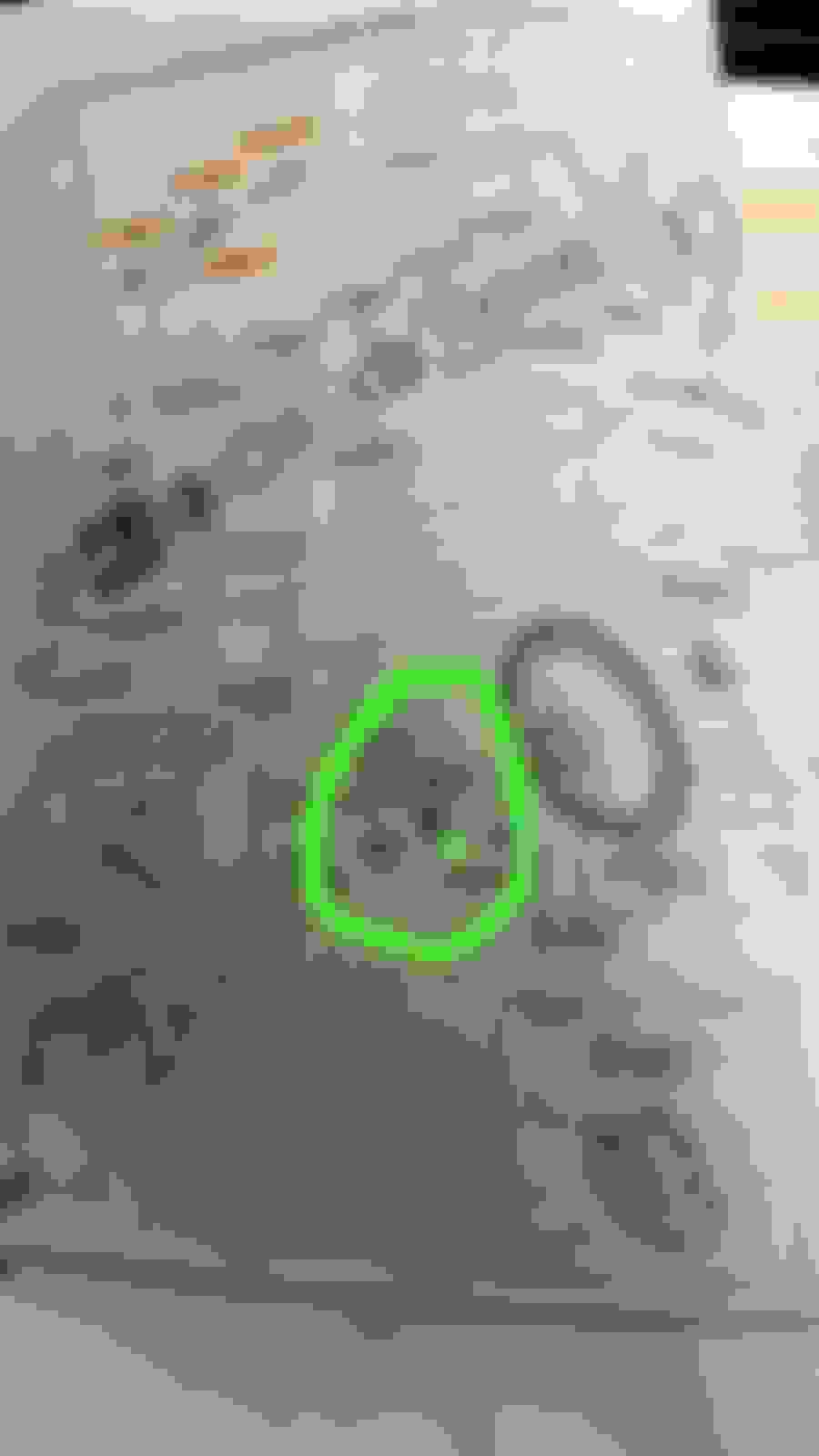
That area seem to be above the rear engine mount. One guess would be the gasket where the oil return pipe is bolted to the turbo body. Circled in orange. or the next gasket at the next joint.
i just went and checked the top dot from above the engine bay and the 2 silicone vac lines connected nearby and that’s all fine and the dye isn’t visible there.
however I just went to peek under the UIM and the little compartments on top of the motor next to the fuel rail and there was some fluorescent puddles there which would indicate a leak from the oil injectors on the rotors. However, this could also be old residue fuel puddles from when I was diagnosing (and fixed) my fuel leak since I had some dye in my old fuel too. When this damn rain stops I will clean it, then start the car, and see if it fills up again
Almost could be the seal between the transmission and rear plate of the motor. Or the "main seal".
I had someone else change out the clutch almost a year ago but it didn’t leak then not sure if the seal between rear plate and transmission is effected there. Also for the oil injectors I put brand new oil injectors with stainless steel lines and crush washers and tightened them up real good so I’d be surprised if those are leaking. Also the puddles seem to be small and clearly not enough to overspill and onto the bottom of the car.
If this seal (11-4041) is damaged our leaking, you might be able to observe oil pooling in you lower clutch housing. There is a small inspection plate on the bottom of the housing where you can take a peak inside.
Page D-17 of the FSM seems ot indicate that the injectors could fail in a way that oil could be blown backwards into the injector by engine compression. I don't know if that means oil could also be blown into the vacuum supply lines. The vacuum lines from the injectors run back to a "T" which connects to s vacuum/boost source located on the LIM under the injectors.
For my car, we found those vacuum line had rotted away causing a vacuum leak and no vacuum (or boost) assiatance to the injectors.
(In later models Mazda revised the injectors to help avoid this problem.)
It looks like they actually are recommending you suck on the injector to test it.
Page D-17 of the FSM seems ot indicate that the injectors could fail in a way that oil could be blown backwards into the injector by engine compression. I don't know if that means oil could also be blown into the vacuum supply lines. The vacuum lines from the injectors run back to a "T" which connects to s vacuum/boost source located on the LIM under the injectors.
For my car, we found those vacuum line had rotted away causing a vacuum leak and no vacuum (or boost) assiatance to the injectors.
(In later models Mazda revised the injectors to help avoid this problem.)
It looks like they actually are recommending you suck on the injector to test it.
hey brother sorry for the late reply I just wanted to gather all info before making a reply.
so first the clutch is new and it didn’t leak after it was changed so I don’t think it’s the rear main seal unless that seal blew recently because it was overfilled with oil.
the oil injectors that connect to the rotor under the UIM are also brand new, all the vacuum lines under the UIM I did myself and made sure they’re all new and hooked properly.
The thing you said to blow on isn’t the oil injectors I’m referring to right? The picture looks different
I just went out with the UV black light at total dark and did a scan for oil. No oil anywhere but that one place you saw in the picture. What is that part?
better question is what is the part above the rear most turbo oil return line (the one that connects to the motor)?
because whatever that is is what’s stained with oil where it joins (to the motor?) which also would explain the smoke because of how hot the motor gets
Just went through the entire oil section on the FSM and the oil nozzles you said to blow through are indeed the oil nozzles I replaced with brand new OEM ones.
man this is really tough, I went through that whole FSM section and didn’t learn anything. It seems like the oil system is so simple yet I’m having a leak from somewhere not in the oil system
Maybe it is the rear top oil injector overflowing and spilling oil down the car I’ll have to check tomorrow I can’t see that compartment because the car is jacked up on one side. I’ll have to put it down and check. Man I really can’t think of anything else. The part that is wet with dye is whatever is on top of the rear turbo oil return line or whatever is to the left of the rear turbo itself
I discussed with my tuner friends. We did not go into great detail.
Three things we considered:
1. Leaking "main" seal
2. Leaking internal seal of the turbo
3. Upper oil feed lines
Main seal: You can take a look through the service opening on the underside of the housing, to look for leaking oil. Leaking oil could cause the clutch to slip, but if the leak is slow, it might not. The person that did your clutch work likely did not remove the flywheel, so may not have inspected the main seal.
Internal Seal: If the seals were leaking inside the turbo, it would manifest in burning oil smell in the exhaust
Feed lines : You should be able to inspect without much difficulty.
My car: Upper oil feed line in shadow area of middle of pic.
I am not aware that overfilling oil would cause damage from excess pressure. The excess oil should rise up the filler neck and drain out the overflow tube. If that has happened and your overflow tube is still hooked up to the front turbo intake elbow, you will end up with oil in your front turbo and this could cause smoking.
In addition you would like find oil in your crossover tube from the top of the y-pipe.
Friends recomment against using any stop leak additive to the oil for a turbo motor, partly because of the oil injection and possible carboning of the seals.
Oil filler pipe showing nipples for the overflow (PCV pipe) connections.
for me the top connection is connected to the pcv that connects to UIM and the bottom connection is connected to a spot on the block close by under it. That’s normal right?