


Reinstalling ACV - Please Check Vacuum Line Routing and Solenoid Selection


Reinstalling ACV - Please Check Vacuum Line Routing and Solenoid Selection
So it's time to pass emissions, I'm installing the air pump, ACV and Split air pipe and will have a catalytic converter installed on my '87 TII.
The rats nest was removed when the engine was redone, so I am trying to hookup the ACV vac lines in order to retain the Blue and Gray Solenoids, I believe they're the Relief and Switching solenoids respectively.
I blew through the vac lines of the Rats Nest and traced the route of the lines from the nipples on the ACV. It seems like the one on the bottom goes through the Blue "Relief" Solenoid and then back to the right side of the ACV. I have the Solenoid placed in a shortcut view, I will extend the vac lines so that the Solenoid can be plugged into it's electrical connection.

The vac nipple labeled B is for the pressure sensor which it already getting vacuum from a new source.
The vac nipple labeled A must be for the Gray "Switching" Solenoid, I think it's supposed to go through the solenoid and then go to the top front nipple on the TB. However nipple A won't hold vacuum, I read Hailers' post below and now I need to know what to do here.
How will this nipple A not holding vac affect the function of the ACV? Should I just run the line with the solenoid to the TB and hope for the best or should I just plug nipple A?
I have heard something about removing the switching diaphragm to make the ACV blow all the time, should I consider this since there's already no vacuum?
I just need to know if I should just cap A and see what happens or if I should try something else to retain the Gray Solenoid. I need to pass emissions, I plan on using a private garage but I want it as close to passing as possible before it gets to the shop.
The rats nest was removed when the engine was redone, so I am trying to hookup the ACV vac lines in order to retain the Blue and Gray Solenoids, I believe they're the Relief and Switching solenoids respectively.
I blew through the vac lines of the Rats Nest and traced the route of the lines from the nipples on the ACV. It seems like the one on the bottom goes through the Blue "Relief" Solenoid and then back to the right side of the ACV. I have the Solenoid placed in a shortcut view, I will extend the vac lines so that the Solenoid can be plugged into it's electrical connection.
The vac nipple labeled B is for the pressure sensor which it already getting vacuum from a new source.
The vac nipple labeled A must be for the Gray "Switching" Solenoid, I think it's supposed to go through the solenoid and then go to the top front nipple on the TB. However nipple A won't hold vacuum, I read Hailers' post below and now I need to know what to do here.
Not trying to ruin your weekend or make this the longest running thread ever.....but before you put the acv back on the car, get a vacuum hose and put it on the nipple that sticks straight up in the air. Suck on it. It should hold a vacuum. Do the same with the nipple on the very bottom, on that mushroom looking diaphram. It also should hold a vacuum. If not.....ugggggh! Those won't put air in the intake manifold, but will make the acv disfunctional as far as the Port Air and Split air.
How will this nipple A not holding vac affect the function of the ACV? Should I just run the line with the solenoid to the TB and hope for the best or should I just plug nipple A?
I have heard something about removing the switching diaphragm to make the ACV blow all the time, should I consider this since there's already no vacuum?
I just need to know if I should just cap A and see what happens or if I should try something else to retain the Gray Solenoid. I need to pass emissions, I plan on using a private garage but I want it as close to passing as possible before it gets to the shop.
Last edited by NJGreenBudd; Apr 6, 2008 at 05:12 PM. Reason: spelling

NJ, you need the check valve at the back of the intake manifold on the split-air pipe, and the one between the intake manifold and the ACV. Also, apply vacuum to the ACV nipples. When you look through the relief hole where the silencer pipe goes, you'll see whether it moves and will know which nipple opens the relief valve. You can also hook up the air pump, and with the engine running, see if air comes out the back of the manifold (split-air feed to pipe) and apply vacuum to the ACV nipples. When you get air, you're sending vaccum to the Switching valve.
If you're applying vacuum to the rats nest and it doesn't hold vacuum, the solenoid valve may be just in the vent position. Some solenoid valves will pass vaccum while energized, some while not energized. See the secondary air injection section in the fuel and exhaust section in the FSM (edit: 4B, page 38). Also, there is an emmissions checking procedure (it's long and comprehensive) Chapter 4B-page 34.
BTW, the lack of input shows how few the people are on this forum that really know certain areas of these cars. If the handful or so don't see the post, one is screwed. I've had numerous questions go unanswered too. Just venting, I guess.
If you're applying vacuum to the rats nest and it doesn't hold vacuum, the solenoid valve may be just in the vent position. Some solenoid valves will pass vaccum while energized, some while not energized. See the secondary air injection section in the fuel and exhaust section in the FSM (edit: 4B, page 38). Also, there is an emmissions checking procedure (it's long and comprehensive) Chapter 4B-page 34.
BTW, the lack of input shows how few the people are on this forum that really know certain areas of these cars. If the handful or so don't see the post, one is screwed. I've had numerous questions go unanswered too. Just venting, I guess.
pfsantos,
The check valve is on the Split Air Pipe like it should be, I was referring to the one between the ACV and the Manifold - I'll check the old manifold as the check valve may still be on the old manifold.
My main problem is that when I apply vacuum directly to the nipple labeled A there is no suction at all, it hold no vacuum what so ever. The bottom nipple hold vacuum just fine, this is the one for the Relief Solenoid.
I am uncertain as to how the Switching valve will work if the diaphragm is broken and unable to hold vacuum. I was under the impression that it is more important for the air to be introduced into the exhaust ports rather than the split air pipe, I need to know the best way to rig the ACV in order to pass emissions.
I have looked at the sections in the FSM and it didn't really help me, I even found a couple really good diagrams in the Haynes manual but I would still like to have someone say something like, "Hey don't worry, just cap it off and run the test, if you fail then try removing the Switching Valve diaphragm itself." or something along those lines.
I know why a lot of people don't answer these types of posts, it's a lot easier to make small talk about vac leaks and "Check your TPS" than answer specific technical questions. I searched a lot and found various threads about emissions and the ACV, but now that I know nipple A won't hold vacuum I need to know what to do next.
Thanks for your input though, I appreciate it.
The check valve is on the Split Air Pipe like it should be, I was referring to the one between the ACV and the Manifold - I'll check the old manifold as the check valve may still be on the old manifold.
My main problem is that when I apply vacuum directly to the nipple labeled A there is no suction at all, it hold no vacuum what so ever. The bottom nipple hold vacuum just fine, this is the one for the Relief Solenoid.
I am uncertain as to how the Switching valve will work if the diaphragm is broken and unable to hold vacuum. I was under the impression that it is more important for the air to be introduced into the exhaust ports rather than the split air pipe, I need to know the best way to rig the ACV in order to pass emissions.
I have looked at the sections in the FSM and it didn't really help me, I even found a couple really good diagrams in the Haynes manual but I would still like to have someone say something like, "Hey don't worry, just cap it off and run the test, if you fail then try removing the Switching Valve diaphragm itself." or something along those lines.
I know why a lot of people don't answer these types of posts, it's a lot easier to make small talk about vac leaks and "Check your TPS" than answer specific technical questions. I searched a lot and found various threads about emissions and the ACV, but now that I know nipple A won't hold vacuum I need to know what to do next.
Thanks for your input though, I appreciate it.

HAILERS

Joined: May 2001
Posts: 20,563
Likes: 27
From: FORT WORTH, TEXAS,USA
If you can't hold a vacuum on the *A*, then the Switching diaphram is busted inside the ACV.
Look at the simplified schematic of the ACV for TURBO (non turbo is Different). When you do, you'll see that the Switching diaphram gets vacuum all the time at idle. You lose the vacuum (OR the diaphram for it inside the ACV is busted) then the Switching piston slams shut the outlet from the ACV to the EXHAUST PORTS.
So you can see, right now you have No airpump air going to the exhaust ports. Not favorable for passing an emissions test. In fact even after the car is on the emissions roller doing 15/25mph, the exhaust ports will never see any air.
You Might have a bit more air going to the split air pipe, BUT I'd bet if you start that car up and have the engine HOT, the airpump air is mostly bleeding out the Large hole on the side of the ACV and going to the silencer in the right front fender. Does little to no good going there during the emissions testing.
At idle you should feel a vacuum coming from the switching solenoid to the nippel you labled *A*. But then again, it does you no good if it's there and the diaphram in the ACV is busted.
You should install that spoked checkvalve b/t the ACV and the intake. It keeps exhaust from back feeding into the airpump air etc. The na and turbo ones are the same.
I'd try to buy a ACV on the forum. Even one thats for a Jap engine would do. They don't have the Split air Solenoid on them but that Split Air solenoid is only used for fifth gear. Emissons testing is not done in fifth gear.
When you remove the ACV, apply PRESSURE to the very bottom nipple on the mushroom outfit. That valve should move inside when you do that. You can check this with the ACV on the engine also.
You DO have the hose routed right on the Relief solenoid, even though the solenoid is normally located on the other side of the engine. Not a big deal. Just needs wires.
I did write a dealeo a while back where I said you could remove the four screws that hold the switching valve on the ACV and remove it's guts. That way it has to flow air to the split air pipe all the time. That would be in your favor in your situation.......maybe.
Do remove that large hose from the side that goes to the silencer in the fender. Idle the engine HOT. Feel the air exhausting out that hole. I bet it's a LOT. Then rev the engine over 3800rpm and see if the amount seems the same. If it feels the same.............................I'm not sure gutting the switching valve does any good because the air is being all dumped overboard. If it is.....well maybe just put a plug of some size in that exhaust hose so the air can't escape overboard. That can't take much effort and the install will still look the same. I mean a plug that's shoved back in the hose so you can still install the LARGE hose on the ACV.
Something like that. By the way, I'm using a JAP ACV I got from ??? Cris???? and it works fine.
Series four vacuum routing diagram attached.
Look at the simplified schematic of the ACV for TURBO (non turbo is Different). When you do, you'll see that the Switching diaphram gets vacuum all the time at idle. You lose the vacuum (OR the diaphram for it inside the ACV is busted) then the Switching piston slams shut the outlet from the ACV to the EXHAUST PORTS.
So you can see, right now you have No airpump air going to the exhaust ports. Not favorable for passing an emissions test. In fact even after the car is on the emissions roller doing 15/25mph, the exhaust ports will never see any air.
You Might have a bit more air going to the split air pipe, BUT I'd bet if you start that car up and have the engine HOT, the airpump air is mostly bleeding out the Large hole on the side of the ACV and going to the silencer in the right front fender. Does little to no good going there during the emissions testing.
At idle you should feel a vacuum coming from the switching solenoid to the nippel you labled *A*. But then again, it does you no good if it's there and the diaphram in the ACV is busted.
You should install that spoked checkvalve b/t the ACV and the intake. It keeps exhaust from back feeding into the airpump air etc. The na and turbo ones are the same.
I'd try to buy a ACV on the forum. Even one thats for a Jap engine would do. They don't have the Split air Solenoid on them but that Split Air solenoid is only used for fifth gear. Emissons testing is not done in fifth gear.
When you remove the ACV, apply PRESSURE to the very bottom nipple on the mushroom outfit. That valve should move inside when you do that. You can check this with the ACV on the engine also.
You DO have the hose routed right on the Relief solenoid, even though the solenoid is normally located on the other side of the engine. Not a big deal. Just needs wires.
I did write a dealeo a while back where I said you could remove the four screws that hold the switching valve on the ACV and remove it's guts. That way it has to flow air to the split air pipe all the time. That would be in your favor in your situation.......maybe.
Do remove that large hose from the side that goes to the silencer in the fender. Idle the engine HOT. Feel the air exhausting out that hole. I bet it's a LOT. Then rev the engine over 3800rpm and see if the amount seems the same. If it feels the same.............................I'm not sure gutting the switching valve does any good because the air is being all dumped overboard. If it is.....well maybe just put a plug of some size in that exhaust hose so the air can't escape overboard. That can't take much effort and the install will still look the same. I mean a plug that's shoved back in the hose so you can still install the LARGE hose on the ACV.
Something like that. By the way, I'm using a JAP ACV I got from ??? Cris???? and it works fine.
Series four vacuum routing diagram attached.
Last edited by HAILERS; Apr 7, 2008 at 05:09 PM.
Trending Topics
 You rock.
If you can't hold a vacuum on the *A*, then the Switching diaphram is busted inside the ACV.
Look at the simplified schematic of the ACV for TURBO (non turbo is Different). When you do, you'll see that the Switching diaphram gets vacuum all the time at idle. You lose the vacuum (OR the diaphram for it inside the ACV is busted) then the Switching piston slams shut the outlet from the ACV to the EXHAUST PORTS.
So you can see, right now you have No airpump air going to the exhaust ports. Not favorable for passing an emissions test. In fact even after the car is on the emissions roller doing 15/25mph, the exhaust ports will never see any air.
You Might have a bit more air going to the split air pipe, BUT I'd bet if you start that car up and have the engine HOT, the airpump air is mostly bleeding out the Large hole on the side of the ACV and going to the silencer in the right front fender. Does little to no good going there during the emissions testing.
At idle you should feel a vacuum coming from the switching solenoid to the nippel you labled *A*. But then again, it does you no good if it's there and the diaphram in the ACV is busted.
Look at the simplified schematic of the ACV for TURBO (non turbo is Different). When you do, you'll see that the Switching diaphram gets vacuum all the time at idle. You lose the vacuum (OR the diaphram for it inside the ACV is busted) then the Switching piston slams shut the outlet from the ACV to the EXHAUST PORTS.
So you can see, right now you have No airpump air going to the exhaust ports. Not favorable for passing an emissions test. In fact even after the car is on the emissions roller doing 15/25mph, the exhaust ports will never see any air.
You Might have a bit more air going to the split air pipe, BUT I'd bet if you start that car up and have the engine HOT, the airpump air is mostly bleeding out the Large hole on the side of the ACV and going to the silencer in the right front fender. Does little to no good going there during the emissions testing.
At idle you should feel a vacuum coming from the switching solenoid to the nippel you labled *A*. But then again, it does you no good if it's there and the diaphram in the ACV is busted.
You should install that spoked checkvalve b/t the ACV and the intake. It keeps exhaust from back feeding into the airpump air etc. The na and turbo ones are the same.
I'd try to buy a ACV on the forum. Even one thats for a Jap engine would do. They don't have the Split air Solenoid on them but that Split Air solenoid is only used for fifth gear. Emissons testing is not done in fifth gear.
I'd try to buy a ACV on the forum. Even one thats for a Jap engine would do. They don't have the Split air Solenoid on them but that Split Air solenoid is only used for fifth gear. Emissons testing is not done in fifth gear.
When you remove the ACV, apply PRESSURE to the very bottom nipple on the mushroom outfit. That valve should move inside when you do that. You can check this with the ACV on the engine also.
You DO have the hose routed right on the Relief solenoid, even though the solenoid is normally located on the other side of the engine. Not a big deal. Just needs wires.
I did write a dealeo a while back where I said you could remove the four screws that hold the switching valve on the ACV and remove it's guts. That way it has to flow air to the split air pipe all the time. That would be in your favor in your situation.......maybe.
This one:
If someone wanter the ACV to blow all the time (turbo???) there's better ways to do it than run a obvious non stock hose from the airpump to the split air pipe.
All you'd have to do is remove the Switching diaphram from the ACV. You could even do that with the ACV on the engine. Just four screws to remove. Then you'll see the poppet valve that covers the Port air hole.
You'd take the diaphram and remove its outboard cover to access the nylon looking diaphram. You'd get several washers with slots cut in them. You'd shove the poppet towards the diaphram.
Then you'd see the rod that connects the diaphram with the poppet valve. The slots you cut in the washers are made to slide b/t the rod and the front cover. You stack them so when you relieve pressure on the poppet valve, the poppet valve can't return to cover the Port air hole. Therefore when you put it back on the ACV air will always blow into the Port air hole. There's now nothing to stop the air from going to the Port air hole. This makes more sense if you actually remove the four screws for the switching diaphram and look at it. Then it Should make sense.
Or you could just cut the poppet valve off the rod if the diaphram for the switching diaphram is toast. You can't buy new diaphrams so the ACV is useless anyway. You'd cut the poppet off instead of putting washers b/t the diaphram and the valves body.
You'd also have to block one of the two hose for the relief diaphram for this to work and not dump air overboard at certain times. A simple 10mm screw/bolt with the head cut off and shoved up the line would do the trick.
All you'd have to do is remove the Switching diaphram from the ACV. You could even do that with the ACV on the engine. Just four screws to remove. Then you'll see the poppet valve that covers the Port air hole.
You'd take the diaphram and remove its outboard cover to access the nylon looking diaphram. You'd get several washers with slots cut in them. You'd shove the poppet towards the diaphram.
Then you'd see the rod that connects the diaphram with the poppet valve. The slots you cut in the washers are made to slide b/t the rod and the front cover. You stack them so when you relieve pressure on the poppet valve, the poppet valve can't return to cover the Port air hole. Therefore when you put it back on the ACV air will always blow into the Port air hole. There's now nothing to stop the air from going to the Port air hole. This makes more sense if you actually remove the four screws for the switching diaphram and look at it. Then it Should make sense.
Or you could just cut the poppet valve off the rod if the diaphram for the switching diaphram is toast. You can't buy new diaphrams so the ACV is useless anyway. You'd cut the poppet off instead of putting washers b/t the diaphram and the valves body.
You'd also have to block one of the two hose for the relief diaphram for this to work and not dump air overboard at certain times. A simple 10mm screw/bolt with the head cut off and shoved up the line would do the trick.
Do remove that large hose from the side that goes to the silencer in the fender. Idle the engine HOT. Feel the air exhausting out that hole. I bet it's a LOT. Then rev the engine over 3800rpm and see if the amount seems the same. If it feels the same.............................I'm not sure gutting the switching valve does any good because the air is being all dumped overboard. If it is.....well maybe just put a plug of some size in that exhaust hose so the air can't escape overboard. That can't take much effort and the install will still look the same. I mean a plug that's shoved back in the hose so you can still install the LARGE hose on the ACV.
With the switching valve poppet removed and the relief hose plugged we should be in as good as shape as possible with this current ACV.
Thanks so much for your time, I really appreciate the help man.

HAILERS
Joined: May 2001
Posts: 20,563
Likes: 27
From: FORT WORTH, TEXAS,USA
My very bad. Yes. IF the switching solenoid is gutted (it's piston not blocking the port air passage anymore, then yes, air to the exhaust ports all the time. Sorry 'bout that mistake. I don't think you'd have to block the large hose for the relief. I just wan't thinking at the time I wrote the above.
Putting pressure (blowing into) the bottom nipple and seeing the poppet/spring move proves the relief diaphram is good or not. No more, no less.
Putting pressure (blowing into) the bottom nipple and seeing the poppet/spring move proves the relief diaphram is good or not. No more, no less.


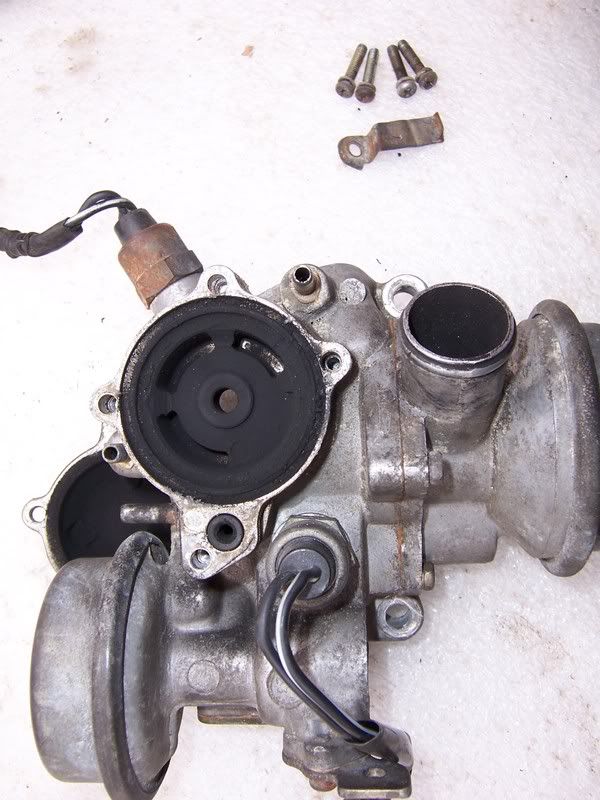
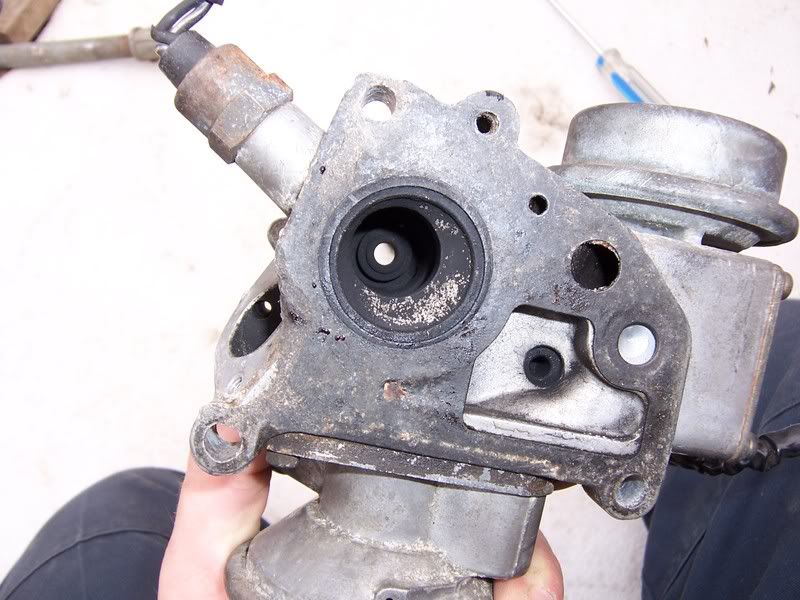
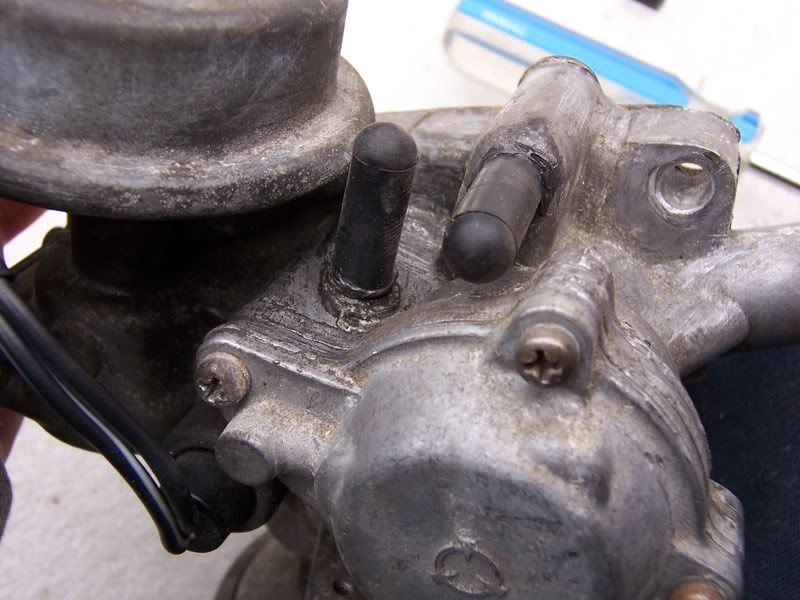
So I checked the relief valve and it seems to be working as you can see in the first two pictures, thats fine and good.
Then I took it apart and to my surprise the Switching Valve and poppet were already removed from the ACV.
So I just capped the lines and put it all back on. Now I just have to add the pulley for the air pump back onto the main pulley and run the belt.

Thread
Thread Starter
Forum
Replies
Last Post
trickster
2nd Generation Specific (1986-1992)
25
Jul 1, 2023 04:40 PM
