


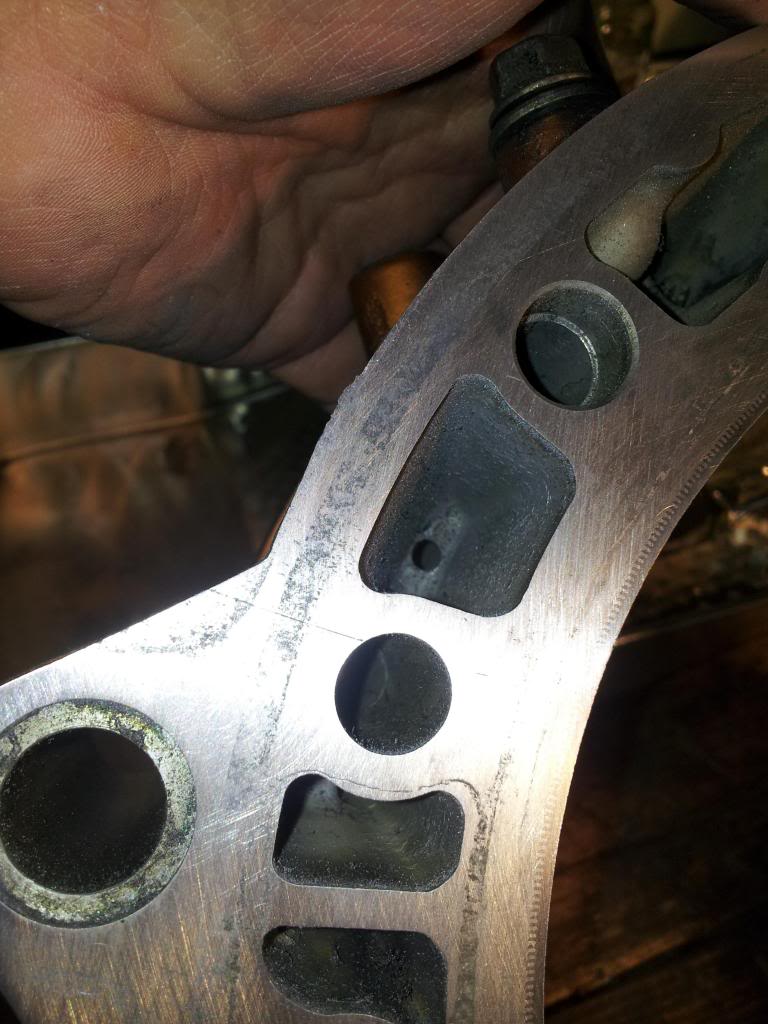
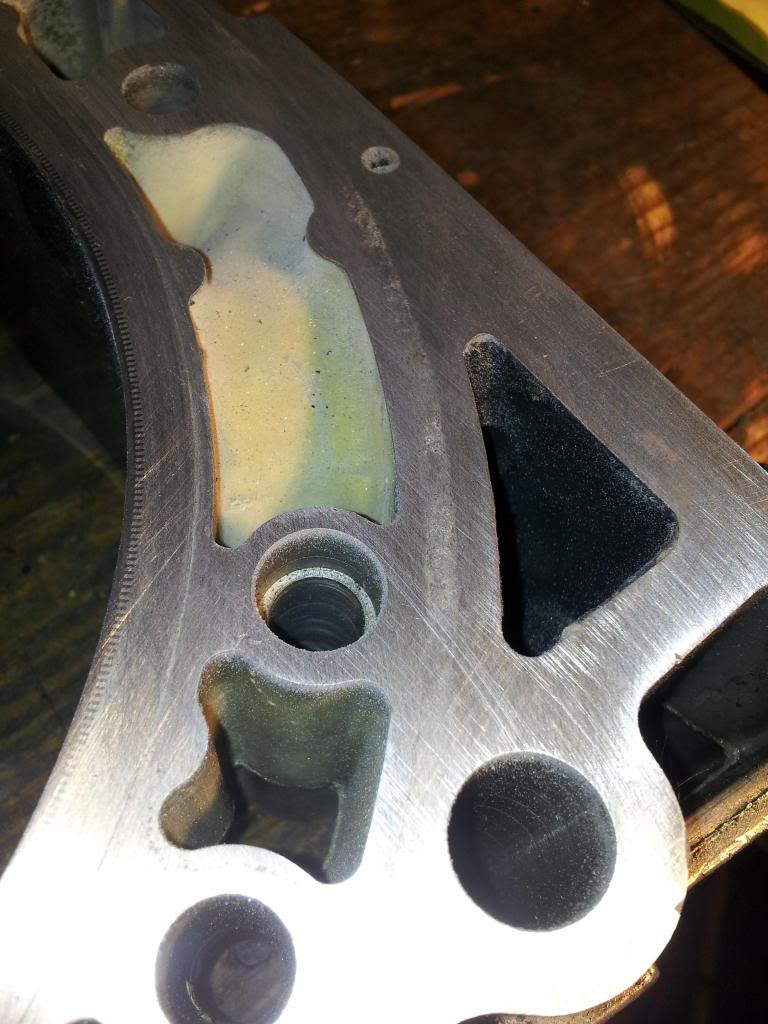
Opinions Please: Rotor housing coolant seal pitting



Rotary Enthusiast

Joined: May 2003
Posts: 998
Likes: 0
From: chicago land
I have good luck on using JBweld for aluminum pitting. GM V6's have huge prolems with pitting like that on lower intakes, I try to use a wire brush to get all of the crap out of the pits but do not make them smooth. I use normal JB, not JB quick. Once you lay it in and let it dry just sand it to make a clean surface. Not sure if this works on housing but same idea, aluminum mating to cast.





Joined: Oct 2003
Posts: 11,576
Likes: 27
From: Morristown, TN (east of Knoxville)
That's fine, especially on the soft rubber outer seal track. But do use a THIN coating of sealant on the rotor housing during assembly, it will help fill in the pits.

if the pits are deep i mix up some JB weld, dab it on, let it set up for about 3-4 minutes before it sets then run over it with a razor blade then block sand the area.
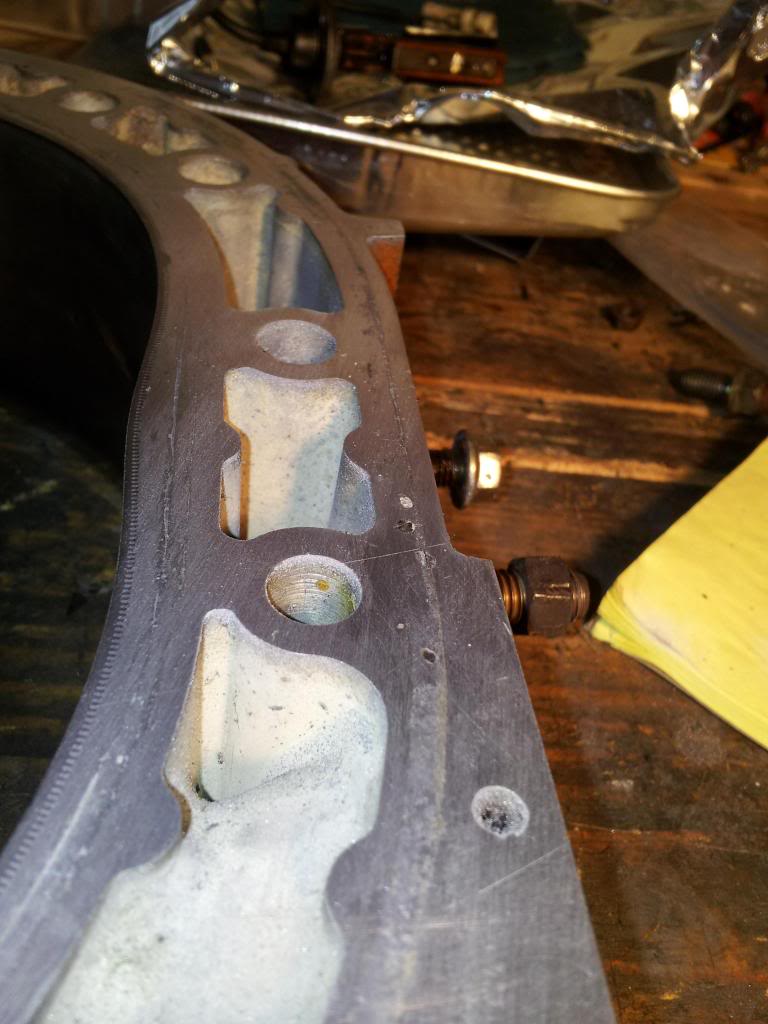
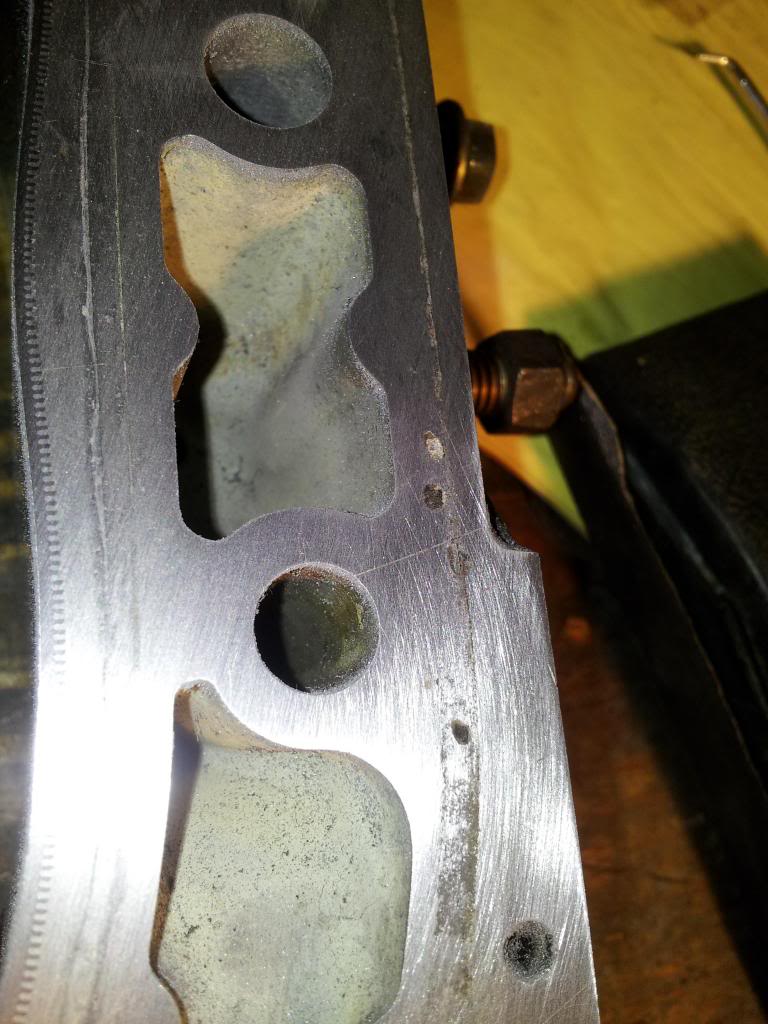
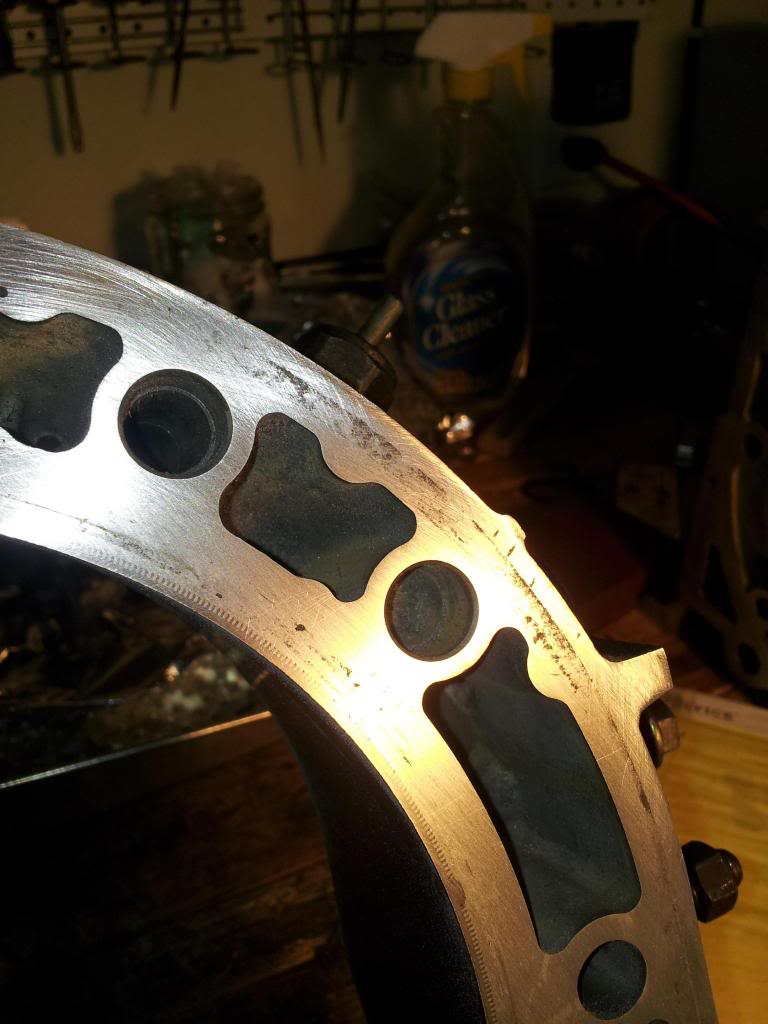
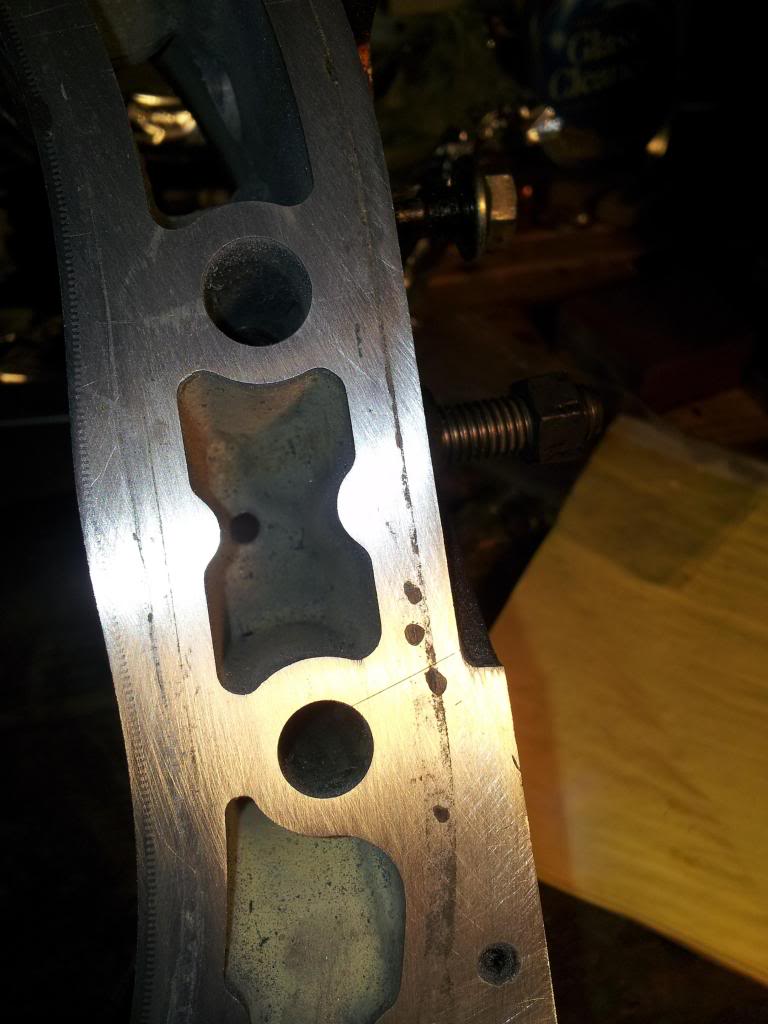
if the pitting is severe enough it will wear the coolant seals as they expand and contract. the pictures are a little hard to tell but the outer area is less critical than the inner coolant seal surfaces.
i do use high temp silicone on the inner surfaces but it still won't account for larger pits in the surface, it's mainly a sealing aid because but it will squeeze out during assembly..
if the pitting is severe enough it will wear the coolant seals as they expand and contract. the pictures are a little hard to tell but the outer area is less critical than the inner coolant seal surfaces.
i do use high temp silicone on the inner surfaces but it still won't account for larger pits in the surface, it's mainly a sealing aid because but it will squeeze out during assembly..
Last edited by RotaryEvolution; Mar 12, 2013 at 12:08 PM.

Thread Starter
Joined: Nov 2006
Posts: 2,406
Likes: 2
From: Indiana
if the pits are deep i mix up some JB weld, dab it on, let it set up for about 3-4 minutes before it sets then run over it with a razor blade then block sand the area.
if the pitting is severe enough it will wear the coolant seals as they expand and contract. the pictures are a little hard to tell but the outer area is less critical than the inner coolant seal surfaces.
i do use high temp silicone on the inner surfaces but it still won't account for larger pits in the surface, it's mainly a sealing aid because but it will squeeze out during assembly..
if the pitting is severe enough it will wear the coolant seals as they expand and contract. the pictures are a little hard to tell but the outer area is less critical than the inner coolant seal surfaces.
i do use high temp silicone on the inner surfaces but it still won't account for larger pits in the surface, it's mainly a sealing aid because but it will squeeze out during assembly..
Is everyone thinking spread a thin layer of RTV on the rotor housing's mating surface? I've done a little research and read about people doing that and also spreading a little bit of hylomar on the housing's mating surface.
Trending Topics

Thread Starter
Joined: Nov 2006
Posts: 2,406
Likes: 2
From: Indiana
When doing RTV, do I want just a real thin layer over that problem area or do i want to put a thin layer over the whole mating surface to keep the seal from having a high spot?
i would put sealant over the sealing surfaces for the whole housing, since you're going to use it you should probably not just do a small area. squeeze a little on a fingertip and smear it over the surface lightly, try not to get any too close to the inside of the engine otherwise you may have some difficulty starting the engine with all the silicone debris floating around when you first crank it.
Thread Starter
Joined: Nov 2006
Posts: 2,406
Likes: 2
From: Indiana
I cleaned up the pitting better. I got all the loose debris out as I could. Assembly got delayed by a single lost corner apex seal. While waiting for shipping to arrive I decided to get some macro pics to see if better pics changed opinions on whether I should simply assemble it, apply some RTV, or JB Weld.
The black in the middle hole I couldn't pick out.
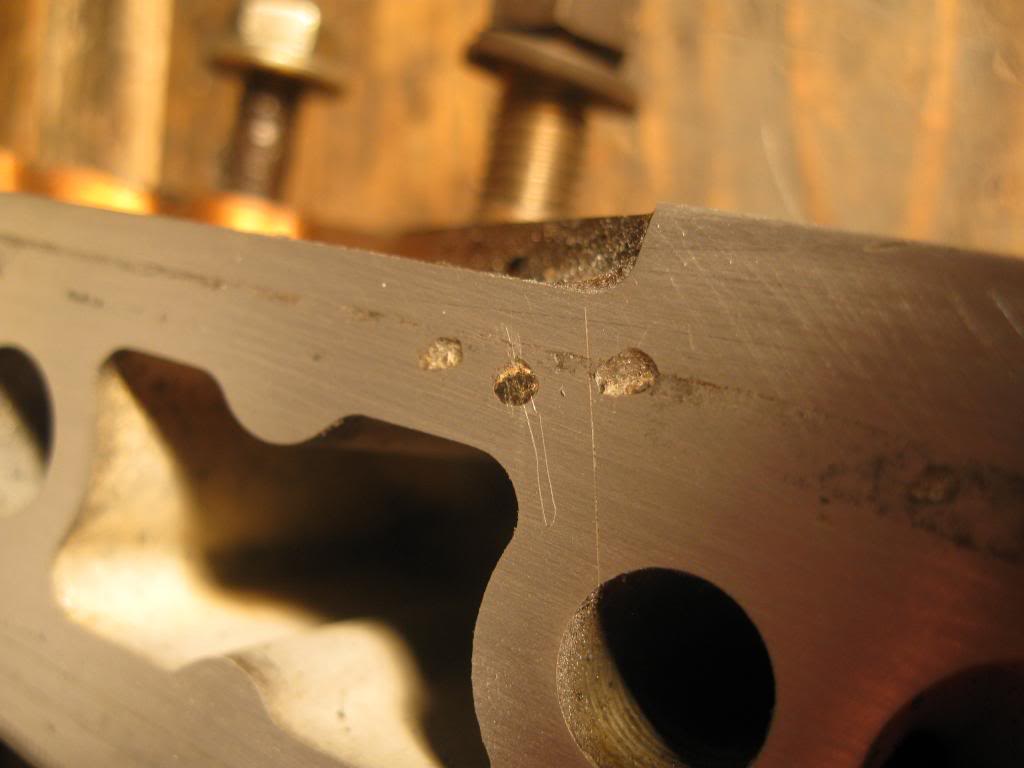
The black in the middle hole I couldn't pick out.
i would probably apply some jb weld and razor blade over it then knock it back down with a block sander. it would probably be fine but why risk it.
silicone isn't really a filler but a sealing aid, so treat it as such.
silicone isn't really a filler but a sealing aid, so treat it as such.

Thread
Thread Starter
Forum
Replies
Last Post
