


Strut rod conversion


Strut rod conversion
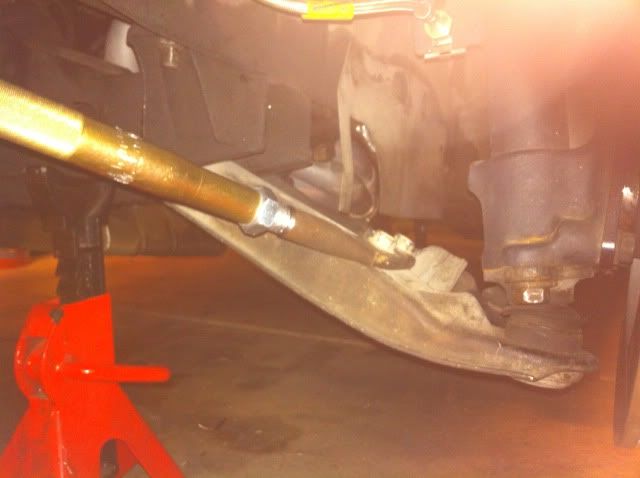
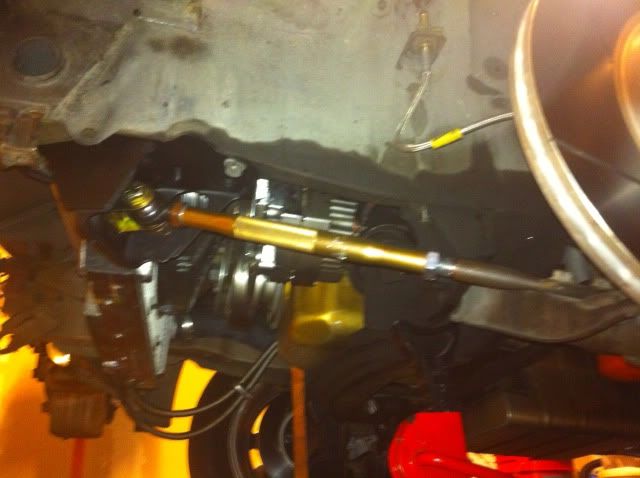
I've seen this done a few times on the eariler mustangs and havent seen any one do it to the rx7 so.... a couple hours in the machine ship and i whipped these up.
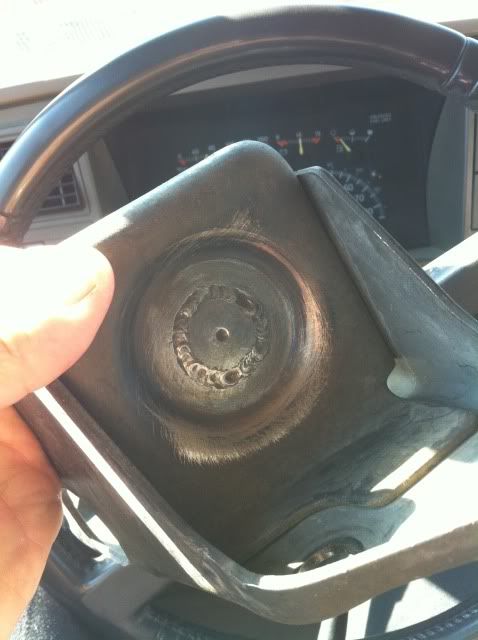
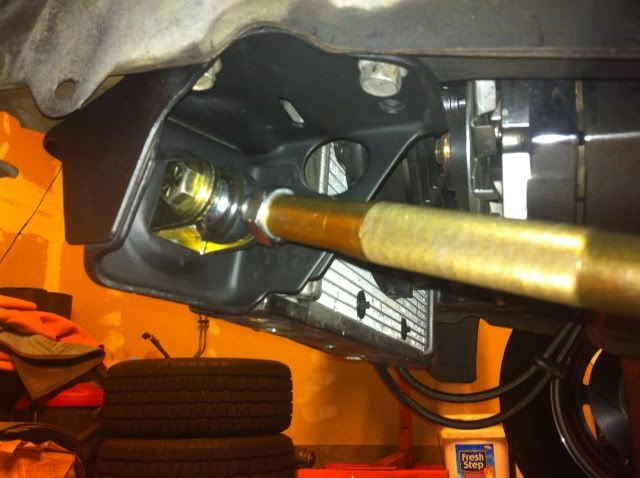
First i welded up the holes in the strut rod bracket and drilled them for a 5/8" bolt
Then I cut down the Stock strut rods, and threaded them.
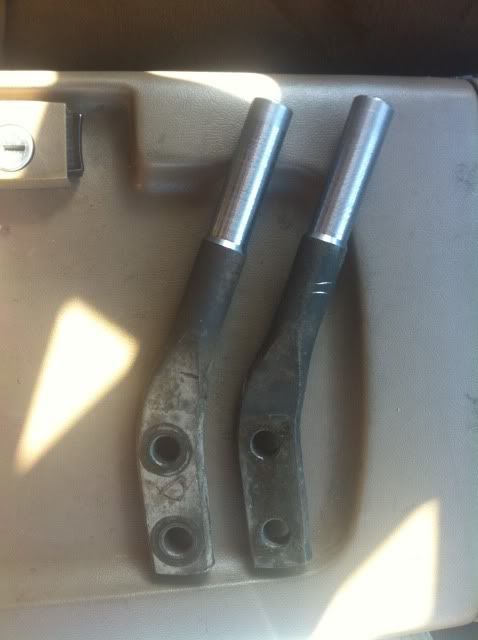
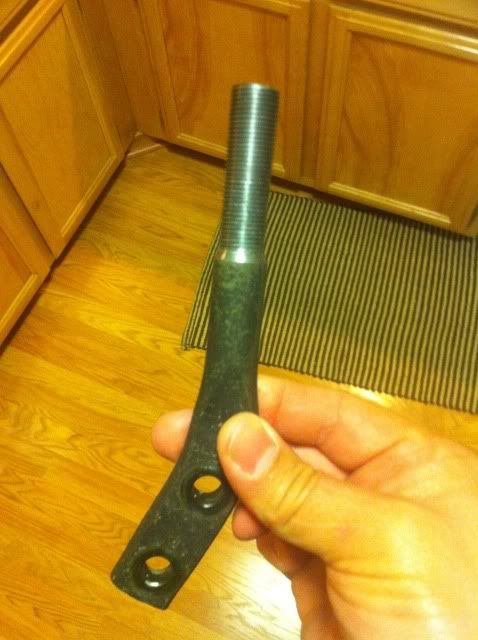
A couple of parts later from summit, and herrs what i got.
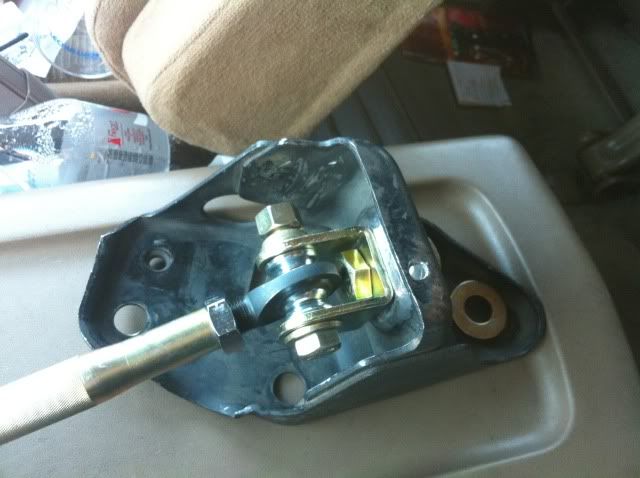
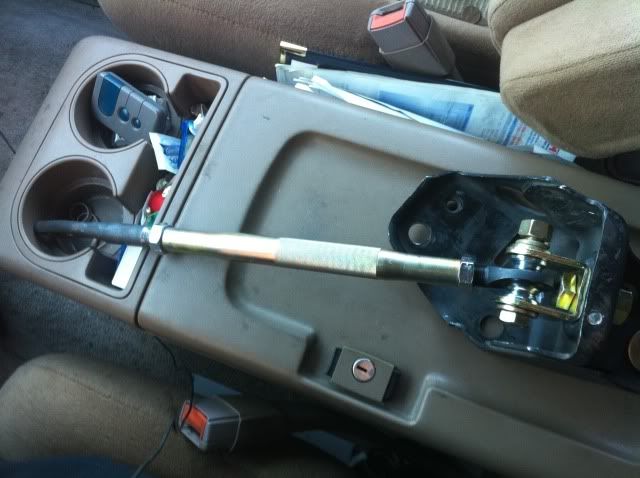
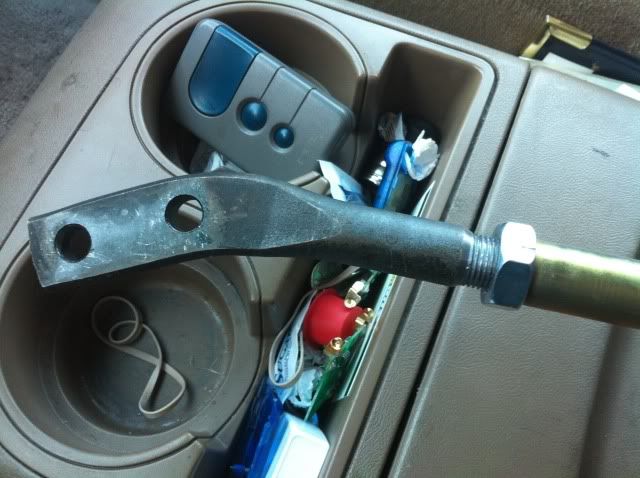
I need a coat of paint to finsh them off, but the should help the suspension move freely. Also Im going to match these with a set of re-speed spherical lca bearings
First i welded up the holes in the strut rod bracket and drilled them for a 5/8" bolt
Then I cut down the Stock strut rods, and threaded them.
A couple of parts later from summit, and herrs what i got.
I need a coat of paint to finsh them off, but the should help the suspension move freely. Also Im going to match these with a set of re-speed spherical lca bearings






Trending Topics



Also removes the added spring rate produced by the tension rod bushings (a basically unknown value since you can't really calculate the amound of "spring" added like you can with an actual spring) from the whole setup and would allow more precise fine tuning using just the springs and struts.
Thats the theory anyway haha
Cyipher, would you be willing to provide a list of what you bought at summit so others could do this as well?
Also forgive the stupid question but I don't have much experience with machining, how did you rethread the rods after cutting them down? Did you use a lathe or is there a die that big you used?
Thats the theory anyway haha
Cyipher, would you be willing to provide a list of what you bought at summit so others could do this as well?
Also forgive the stupid question but I don't have much experience with machining, how did you rethread the rods after cutting them down? Did you use a lathe or is there a die that big you used?

Full Member

Joined: May 2001
Posts: 116
Likes: 0
From: Newark, NY, USA
Also removes the added spring rate produced by the tension rod bushings (a basically unknown value since you can't really calculate the amound of "spring" added like you can with an actual spring) from the whole setup and would allow more precise fine tuning using just the springs and struts.
The fact that they are now a sturdy adjustable rods makes it reduce the effect on the spring rate, since the originals are mounted in a rubber bushing.
Good job on getting the parts doen up nicely, must be nice not having to worry about that tension rod nut loostening up, mine did that all the time, made me worry.
I'm curious about vibration / road noise as well - as the previous post asked.

Senior Member

Joined: Sep 2008
Posts: 622
Likes: 0
From: Seattle, WA
I thought stock tension rod allowed for caster adjustment all the same? How much effect does it have on the spring rate? Even if it's not minimal, seems it'd be a constant, so not too big a deal.
Also removes the added spring rate produced by the tension rod bushings (a basically unknown value since you can't really calculate the amound of "spring" added like you can with an actual spring) from the whole setup and would allow more precise fine tuning using just the springs and struts.
Thats the theory anyway haha
Cyipher, would you be willing to provide a list of what you bought at summit so others could do this as well?
Also forgive the stupid question but I don't have much experience with machining, how did you rethread the rods after cutting them down? Did you use a lathe or is there a die that big you used?
Thats the theory anyway haha
Cyipher, would you be willing to provide a list of what you bought at summit so others could do this as well?
Also forgive the stupid question but I don't have much experience with machining, how did you rethread the rods after cutting them down? Did you use a lathe or is there a die that big you used?
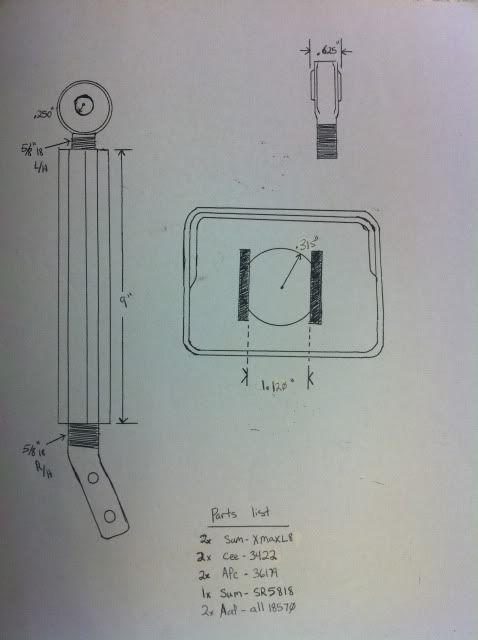
2x Sum-xmaxl8t
2x Cee-3422
2x Afc-36179
2x Aaf-all18570
1x Sum-sr5818
After the rod end were turned to size, they were cut by hand with a standard 5/8-18 die

Anyway, thanks for the parts list Cyipher!

Joined: Mar 2001
Posts: 31,851
Likes: 3,239
From: https://www2.mazda.com/en/100th/
Senior Member
Joined: Sep 2008
Posts: 622
Likes: 0
From: Seattle, WA
Ok, that makes more sense. Althought I feel like even the A-arm style would still want to rotate back a bit, rather than just purely slide, and if bushings are soft enough they'd allow the rotation to occur. It just wouldn't be as drastic as I-arm. Perhaps A-arm bushings have a metal rib inside to keep the rubber from compressing from side to side.
The image j9fd3s put up makes sense and was my interpretation of it all. However; I was confused about the phrase "spring rate" in the earlier posts. I believe it meant the spring rate of the rubber bushing; not the spring rate of the actual strut springs. I think others were confused as well.
Just looking for clarification.
Just looking for clarification.
The image j9fd3s put up makes sense and was my interpretation of it all. However; I was confused about the phrase "spring rate" in the earlier posts. I believe it meant the spring rate of the rubber bushing; not the spring rate of the actual strut springs. I think others were confused as well.
Just looking for clarification.
Just looking for clarification.
Correct, I was referring to the added resistance or "spring" (I'm sure there is a better term than what i'm using) that is added by using bushings on the stock tension rods. Getting rid of those bushings allows you adjust the spring rate using just the springs. This might be most beneficial for the guys who race and want to really fine tune their setup...
Although I'm sure I've just opened myself up to a huge argument about theoretical numbers etc